New to Shopify? Free trial, then $1/month for your first 3 months. Start free trial →
 Where is your store?
Ryviu works with both – pick yours to continue.









Trust is the foundation of every successful conversion. Before visitors click “Buy,” “Sign Up,” or “Get Started,” they subconsciously ask one essential question: Can I trust this brand? If your website fails to answer that question quickly and clearly, even the most attractive offer will struggle to convert.
In an online environment filled with exaggerated claims and unfamiliar brands, skepticism is the default mindset. Building trust is no longer optional; it is a core part of conversion optimization. Fortunately, trust can be intentionally designed by placing the right elements in front of users at the right moments.
Below are 10 trust-building elements that consistently increase conversions, along with practical explanations of how and why they work.
Your value proposition is often the first meaningful interaction users have with your brand. When it is unclear or overly promotional, users hesitate because they do not fully understand what you offer or whether it is relevant to them. Clarity and honesty immediately signal confidence and reliability.
A strong value proposition helps users grasp your purpose without effort and reassures them that there are no hidden surprises. To make this clarity tangible, focus on the following principles:
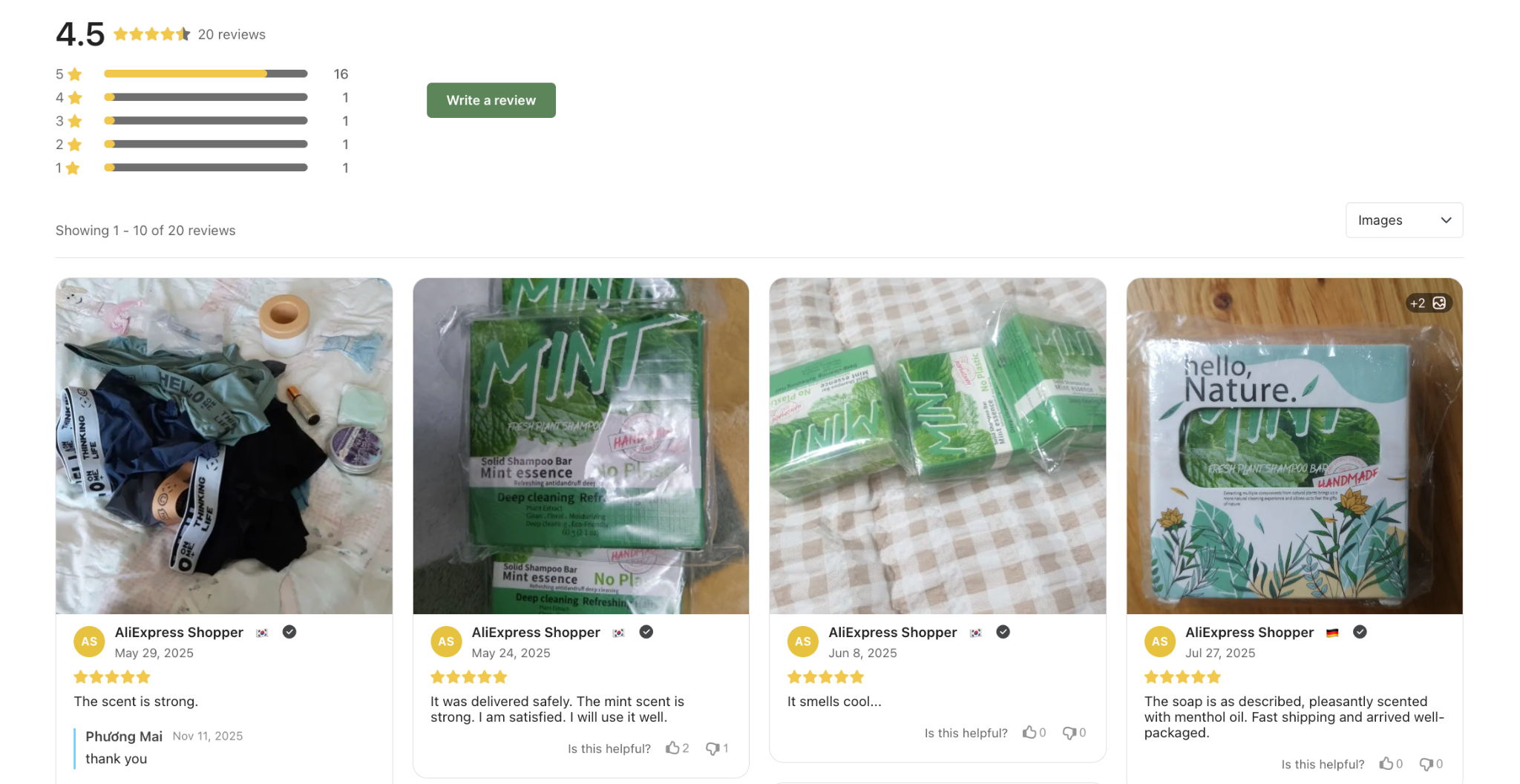
Social proof plays a powerful role in shaping trust, especially for first-time visitors. Seeing real people share their experiences reassures users that others have already taken the risk and found value. This reduces anxiety and shortens the decision-making process.
However, trust only forms when reviews feel genuine and relatable. To ensure testimonials strengthen credibility rather than weaken it, focus on presenting them thoughtfully:
Users often judge trustworthiness within seconds, and visual design heavily influences that judgment. A clean, organized layout creates an immediate sense of professionalism, while messy or outdated design raises doubts about legitimacy.
Consistency across your site reinforces the feeling that your brand is stable and well-managed. To visually support trust, pay attention to these design fundamentals:
Few things damage trust faster than unclear pricing or hidden conditions. When users feel uncertain about costs or policies, they delay decisions or abandon the page altogether. Transparency removes that hesitation by setting clear expectations.
Making pricing and policies easy to understand shows respect for users’ time and decision-making process. To reinforce transparency, focus on the following:
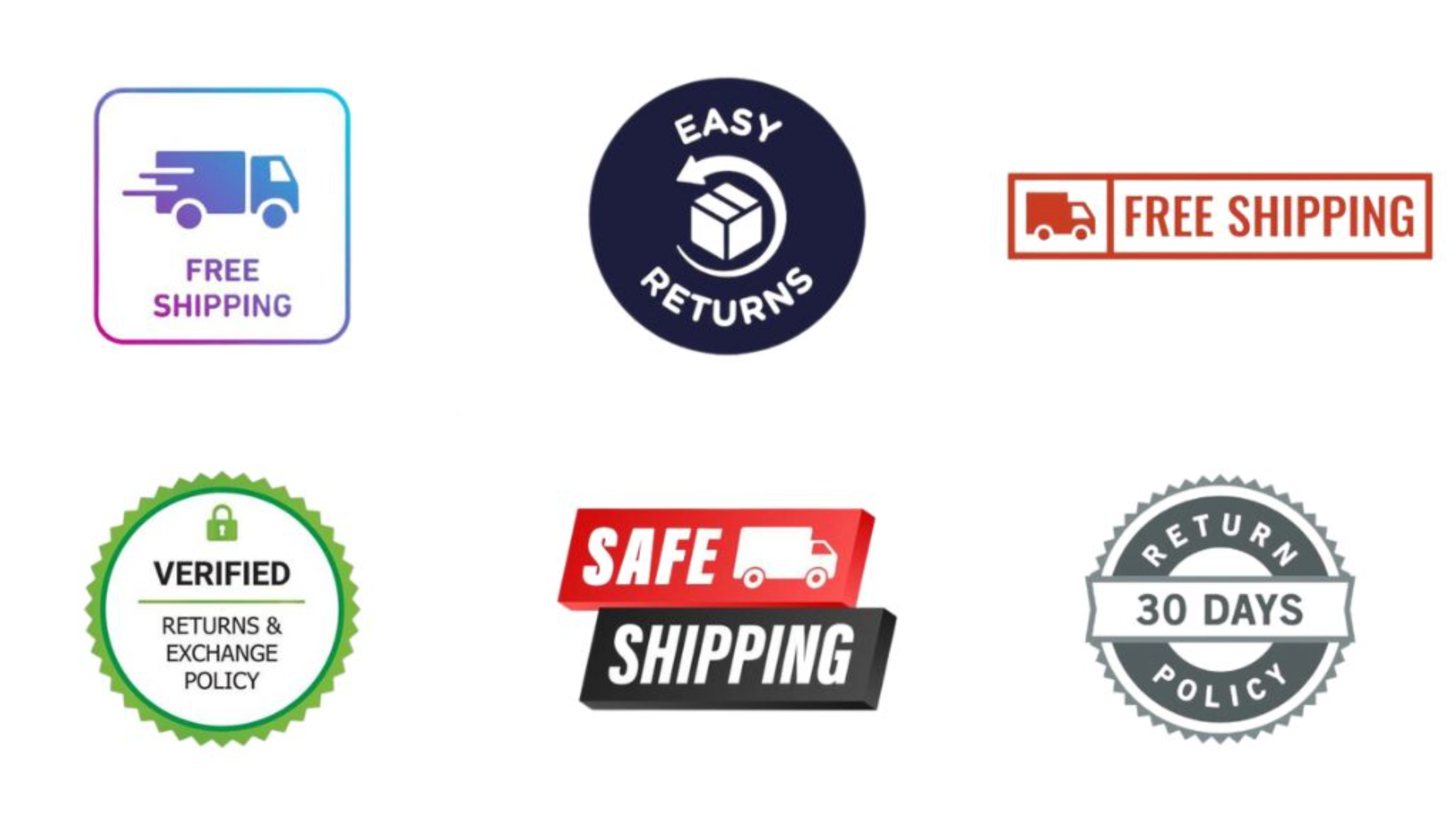
Security concerns peak when users are about to share personal or payment information. At these moments, visual reassurance becomes critical. Trust badges and security indicators help users feel safe enough to proceed.
These elements work best when they are clear and familiar. To strengthen confidence at key conversion points, include:
When users lack information, imagination fills the gaps, often with doubt. Detailed product explanations and realistic visuals help users form accurate expectations and reduce fear of disappointment.
Providing thorough, honest content shows that you have nothing to hide. To support trust through product presentation:

External validation significantly increases perceived credibility. When users see familiar brands or media outlets associated with your product, they feel reassured that your business has already passed external scrutiny.
This type of social proof works because it transfers trust from known entities to your brand. To leverage it effectively:
Trust grows when users know there are real people behind a website. Easy access to contact information reduces the fear of being ignored if something goes wrong. It also signals accountability and openness.
A visible human presence makes your brand feel approachable and reliable. To create that reassurance:
Inconsistency creates doubt. When messages change between pages, users may question whether they fully understand the offer or whether the brand is trustworthy. Consistency helps users feel guided rather than misled.
Maintaining a unified message strengthens credibility throughout the journey. To ensure alignment:
FAQs are often the final reassurance users need before converting. When done well, they show empathy and transparency by addressing concerns users may hesitate to voice.
Instead of using FAQs as sales tools, use them to remove uncertainty. To make them truly trust-building:
Trust is not built through a single feature but through a network of signals that work together. Every clear message, honest review, transparent policy, and thoughtful design choice contributes to how confident users feel.
When trust is strong, conversions follow naturally. By implementing these 10 trust-building elements, you create an environment where users feel safe, informed, and ready to take action. If conversions are lagging, the issue may not be your offer, but the level of trust your experience communicates.