New to Shopify? Free trial, then $1/month for your first 3 months. Start free trial →
 Where is your store?
Ryviu works with both – pick yours to continue.









Customer reviews are a cornerstone of trust in modern eCommerce. Shoppers rely on them not only to validate product quality, but also to understand real-world usage, expectations, and potential drawbacks. Because of this influence, how reviews are collected matters just as much as how many you have. Ethical review growth ensures long-term credibility, sustainable conversions, and stronger customer relationships.
Below are ethical, scalable ways to increase review volume, with each approach designed to respect customers while encouraging genuine participation.
Ethical review collection starts with inclusivity. When brands only request reviews from customers they believe are satisfied, the result is a biased and unrealistic review ecosystem. Shoppers are increasingly savvy and can sense when feedback feels overly polished or one-sided. Inviting every customer to share their experience creates a balanced, authentic review profile that builds trust over time.
This approach also reassures customers that their opinion is valued regardless of whether it is positive or critical. When people feel safe expressing honest feedback, they are more likely to participate. Over time, this openness naturally increases review volume because customers don’t fear being ignored or filtered out.
To implement this ethically, brands should:
Timing is a critical but often overlooked factor in ethical review growth. Asking for a review before a customer has had enough time to use the product can feel rushed and transactional. On the other hand, waiting too long reduces relevance and response rates. Ethical brands choose a timing window that respects the customer’s experience journey.
Non-intrusive requests show respect for attention and autonomy. A single, well-crafted email or a subtle in-app notification feels supportive rather than pushy. Customers are more willing to leave reviews when they don’t feel pressured or harassed.
To optimize timing ethically:
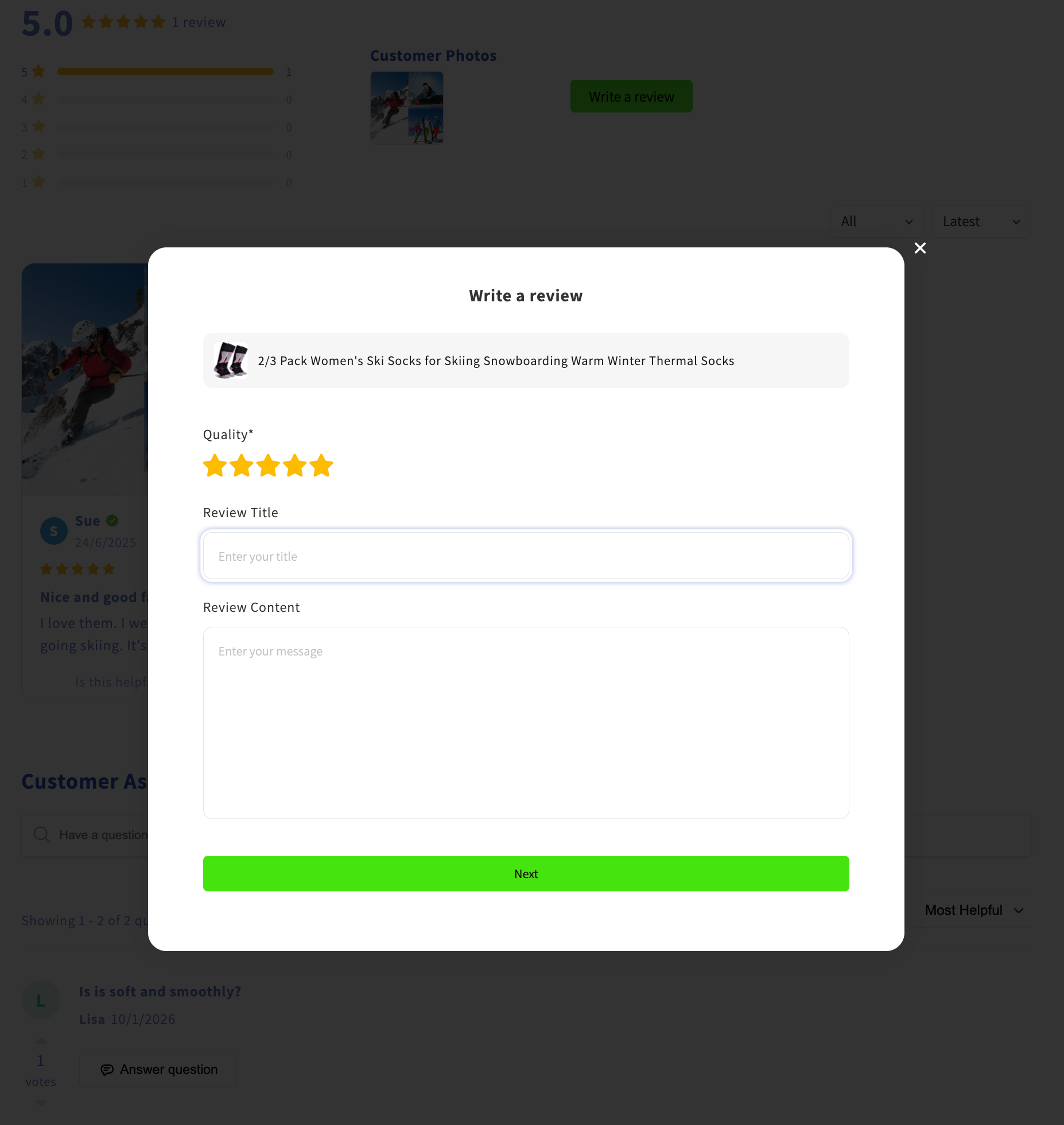
One of the most ethical ways to increase review volume is to remove friction. Many customers are willing to leave feedback, but abandon the process if it feels long or complicated. Ethical brands focus on simplifying, not persuading, the experience. Ease of use encourages voluntary participation without manipulation.
Accessibility also matters. Customers should be able to leave reviews across devices and formats. When reviewing feels effortless, customers are far more likely to complete it, resulting in higher volume driven by convenience rather than incentives.
Best practices for accessibility include:
Incentives can ethically increase review volume only when handled with full transparency. The ethical issue arises when rewards are tied to positive reviews rather than honest ones. Customers should always know that incentives are offered for participation, not praise. Transparency protects both shopper trust and brand integrity.
When disclosed clearly, incentives simply act as a reminder—not a biasing force. Shoppers can then interpret reviews with proper context, and platforms remain compliant with review guidelines. Ethical incentives support volume without compromising authenticity.
If you use incentives, ensure that:
Customers are more motivated to leave reviews when they see real impact. If feedback disappears into a void, participation naturally declines. Ethical brands actively demonstrate that reviews influence decisions, improvements, and communication. This transforms reviewing from a task into a meaningful contribution.
Responding to reviews reinforces this message. A thoughtful response, especially to critical feedback, signals respect and accountability. Over time, customers are more likely to share experiences when they believe their voice leads to action.
Ways to demonstrate review value include:
Review gating is one of the most damaging practices to long-term trust. Filtering out negative reviews may temporarily improve appearance, but it undermines credibility once discovered. Shoppers trust brands that show imperfections more than those that appear flawless. Ethical brands accept criticism as part of transparency.
Publishing reviews as they are, while moderating only for spam or abuse, creates confidence. Customers feel safer leaving feedback when they know it won’t be altered or hidden. This openness actually increases review volume by lowering psychological barriers to participation.
To stay ethical, brands should:
Not all customers avoid reviews out of reluctance, many simply don’t realize their value. Ethical brands gently educate customers on how reviews help other shoppers make informed decisions. This approach appeals to shared benefit rather than personal gain. People are more willing to contribute when they feel helpful.
By framing reviews as community support, brands encourage participation through empathy. This method builds long-term engagement and naturally increases review volume without incentives or pressure.
Educational prompts can include:
Scaling ethical review practices requires the right tools. Ryviu is built to help brands increase review volume while maintaining transparency and trust. It automates review requests in a respectful way, ensuring all customers are invited without bias. This removes manual effort while preserving ethical standards.
Ryviu also supports rich reviews, including photos and videos, which encourages more customers to participate. Verified buyer labels and open display policies reinforce credibility. By focusing on authenticity rather than manipulation, Ryviu enables sustainable, ethical review growth at scale.
Ryviu helps brands by:
Ethical ways to increase review volume are rooted in respect, transparency, and genuine engagement. By asking all customers fairly, optimizing timing, simplifying the process, and valuing honesty over perfection, brands can grow reviews sustainably. Tools and systems should support, not replace, ethical intent. In the long run, ethical review growth doesn’t just increase volume; it builds trust that converts and lasts.