New to Shopify? Free trial, then $1/month for your first 3 months. Start free trial →
 Where is your store?
Ryviu works with both – pick yours to continue.








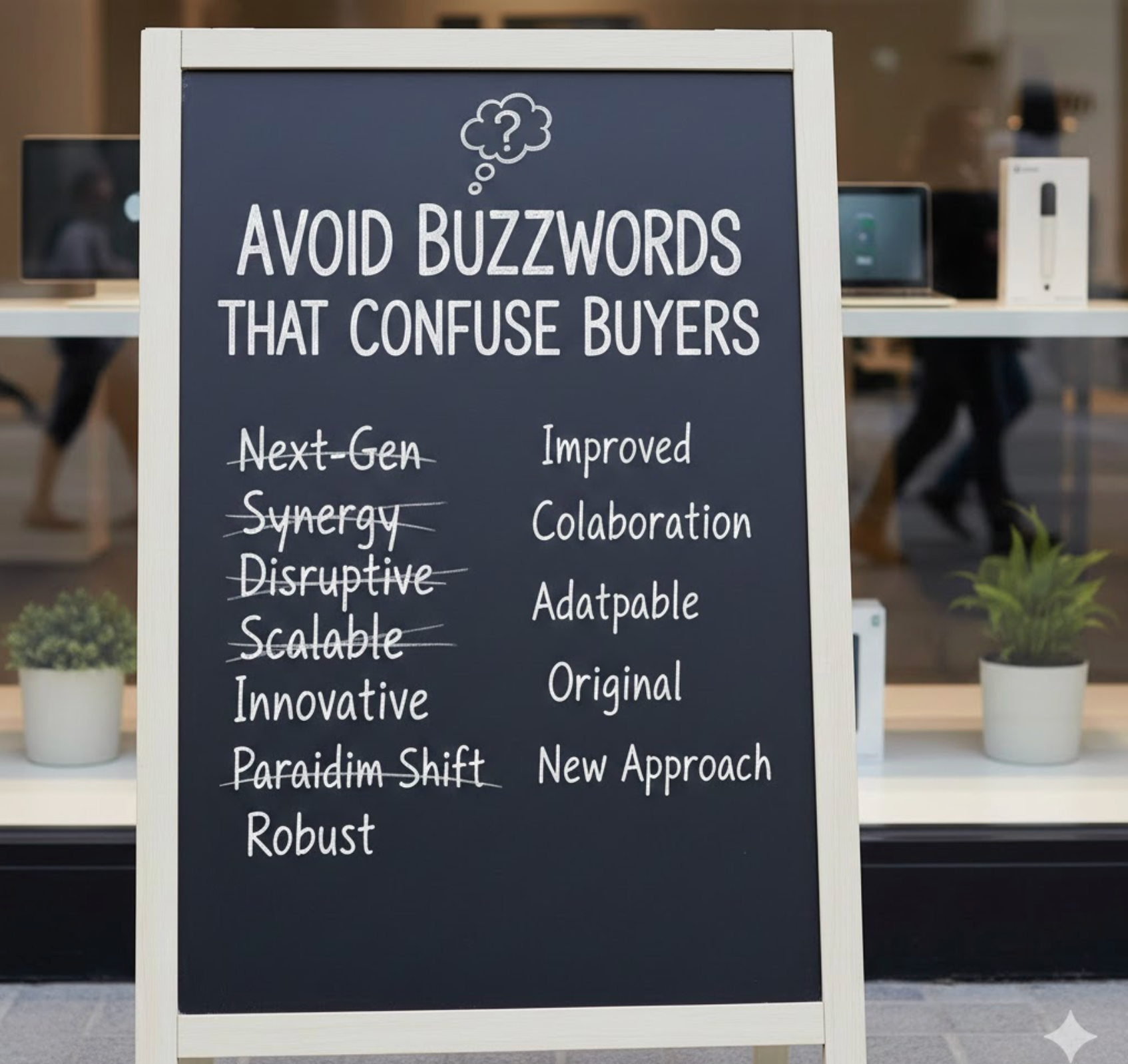
Buzzwords are tempting. They sound modern, impressive, and persuasive, at least to the people writing the copy. But for buyers, buzzwords often do the opposite: they create confusion, raise skepticism, and slow down decisions. When your messaging prioritizes clever language over clear meaning, you risk losing customers before they truly understand your product.
Avoiding buzzwords doesn’t mean sounding boring or generic. It means communicating value in a way that real buyers instantly understand and trust. This guide explains why buzzwords hurt conversions and how to replace them with language that actually helps people decide.
Buzzwords usually emerge inside teams, not from customers. Over time, internal language leaks into marketing copy and starts to replace plain explanations. While it may sound sophisticated, it often lacks concrete meaning for someone seeing your product for the first time.
When buyers encounter vague phrases like “next-generation,” “AI-powered,” or “seamless experience,” they’re forced to guess what those words actually mean. This mental effort creates friction and increases the chance they’ll abandon the page. Clear language reduces cognitive load, while buzzwords add unnecessary interpretation work.
Many buzzwords persist because they sound impressive across industries, not because they communicate real value. As they spread from one niche to another, their meaning becomes diluted and increasingly abstract. Buyers from different backgrounds may interpret the same buzzword in completely different ways, or not understand it at all.
This makes it essential to examine how buzzwords confuse buyers in specific contexts rather than treating them as harmless marketing language.
As these examples show, buzzwords tend to fail not because they are inaccurate, but because they are incomplete. Recognizing how vague language affects different niches is a critical step toward replacing hype with clarity and helping buyers make confident decisions.
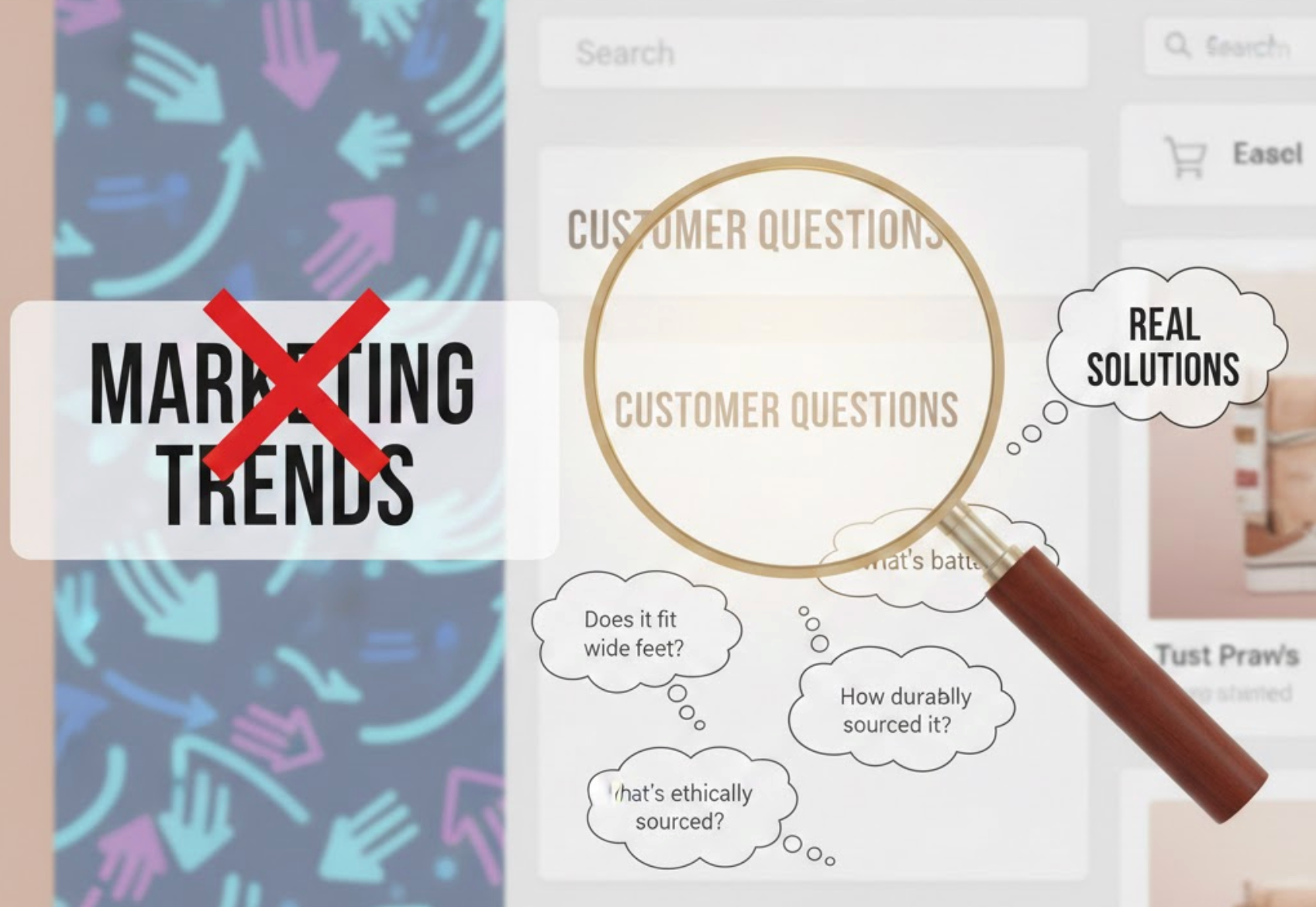
Buyers visit your website with specific questions, not an interest in industry jargon. They want to quickly understand whether your product fits their needs and solves their problems. Marketing trends may influence style, but buyer questions should always shape substance.
This mindset reframes how messaging should be written.
When your messaging aligns with buyer intent, it becomes easier to replace buzzwords with more meaningful descriptions.
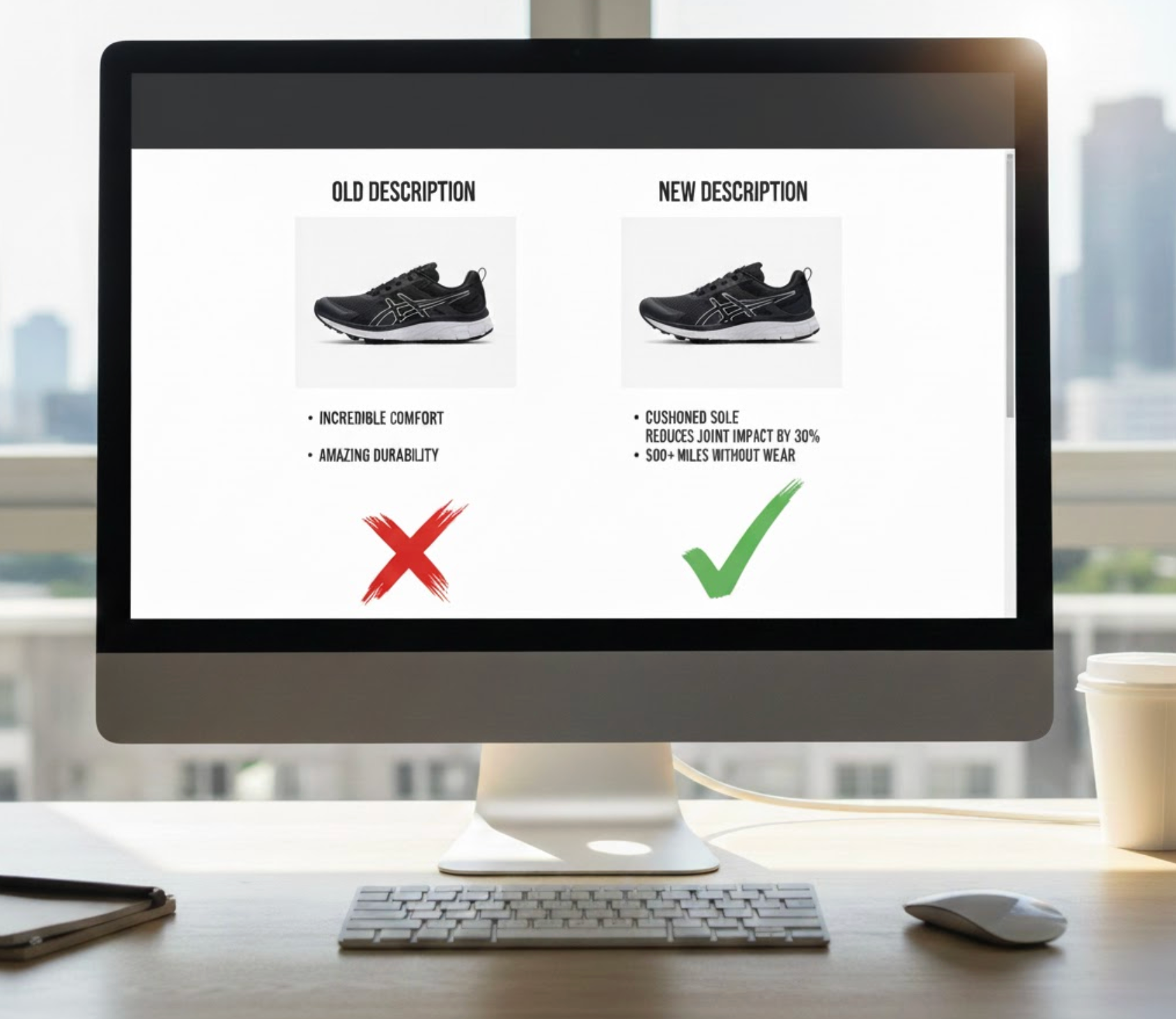
Specific outcomes turn abstract claims into tangible value. Instead of focusing on how impressive a feature sounds, effective copy explains what it enables buyers to do. This shift makes benefits easier to understand and easier to trust.
Replacing buzzwords requires intentional rewriting, not just removal.
Clear outcomes naturally push messaging closer to how real users speak, which is why customer language becomes the next essential input.
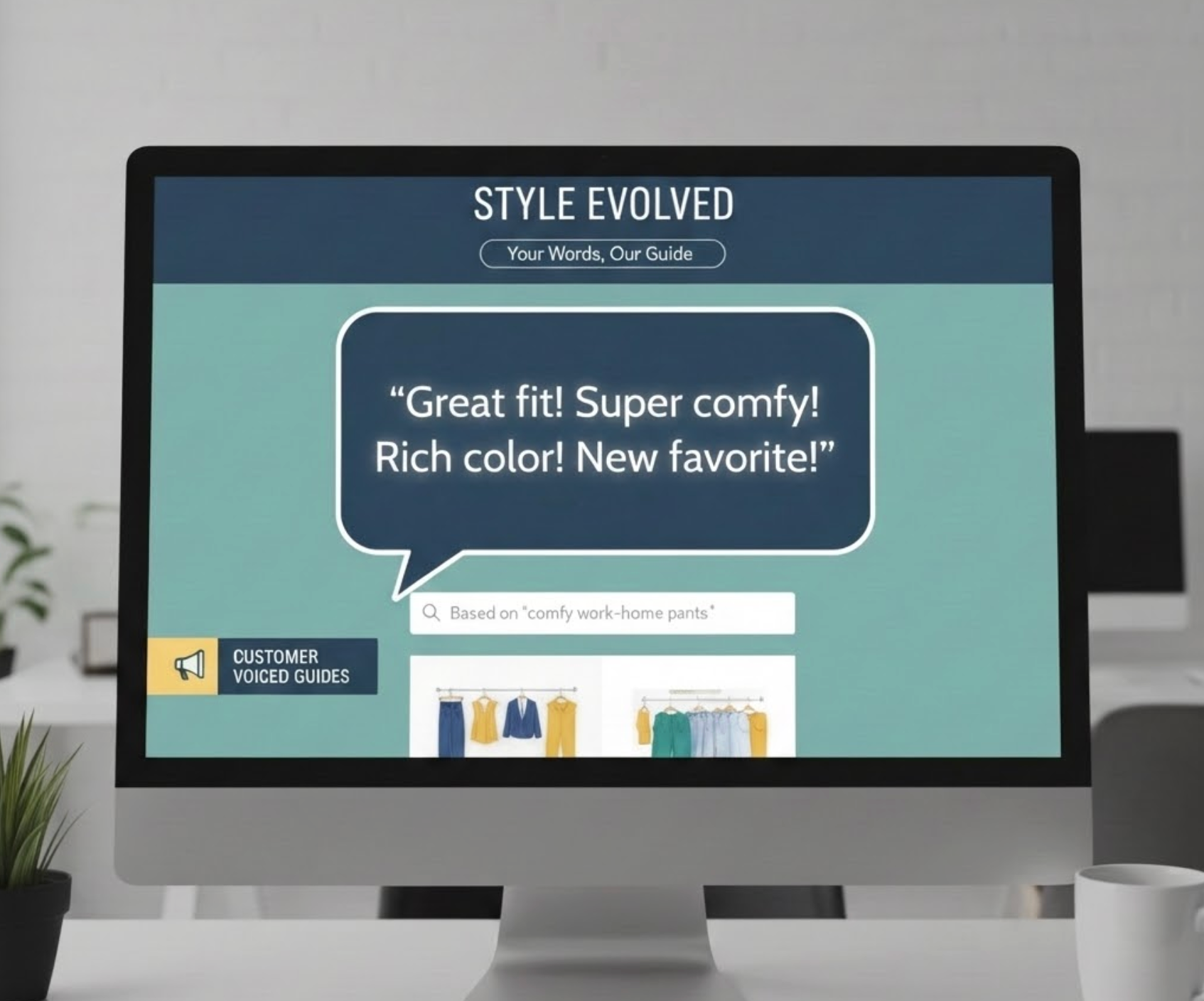
Customers describe value in practical, emotional terms based on real experiences. Their language reflects genuine problems and benefits without unnecessary abstraction. Using this language makes your messaging feel familiar and credible.
Listening to customers provides a reliable alternative to buzzwords.
Once customer language is incorporated, the next step is validating that your messaging truly communicates clearly to new audiences.
Internally approved copy may still fail if it’s not understandable to first-time readers. Clarity testing focuses on comprehension rather than tone or creativity. This ensures that messaging works for buyers, not just for internal teams.
Testing reveals whether buzzwords are still hiding in plain sight.
Clear testing leads to simpler messaging, which ultimately strengthens buyer confidence and trust.
Trust grows when brands communicate with restraint and precision. Saying less forces clarity, while saying better ensures relevance. Buyers feel respected when information is straightforward and honest.
This final shift solidifies the impact of removing buzzwords.
By avoiding buzzwords and focusing on clarity, your messaging becomes easier to understand, easier to trust, and easier to convert, giving buyers exactly what they need to move forward with confidence.
Avoiding buzzwords is not about stripping personality from your marketing, yet it’s about removing barriers between your product and your buyers. When language is vague or overly trendy, it forces buyers to work harder to understand value, which slows decisions and weakens trust. Clear, specific wording helps buyers quickly grasp what you offer and why it matters to them.
By focusing on buyer questions, real outcomes, and customer language, your messaging becomes more grounded and credible. Each word starts to carry purpose, guiding buyers forward instead of impressing them from a distance. Over time, this clarity compounds, making your brand feel more transparent and reliable.
Ultimately, the brands that win are not the ones that sound the most advanced, but the ones that are understood the fastest. When you say less, say it better, and say it plainly, buyers feel confident moving forward, and confidence is what converts.