New to Shopify? Free trial, then $1/month for your first 3 months. Start free trial →
 Where is your store?
Ryviu works with both – pick yours to continue.








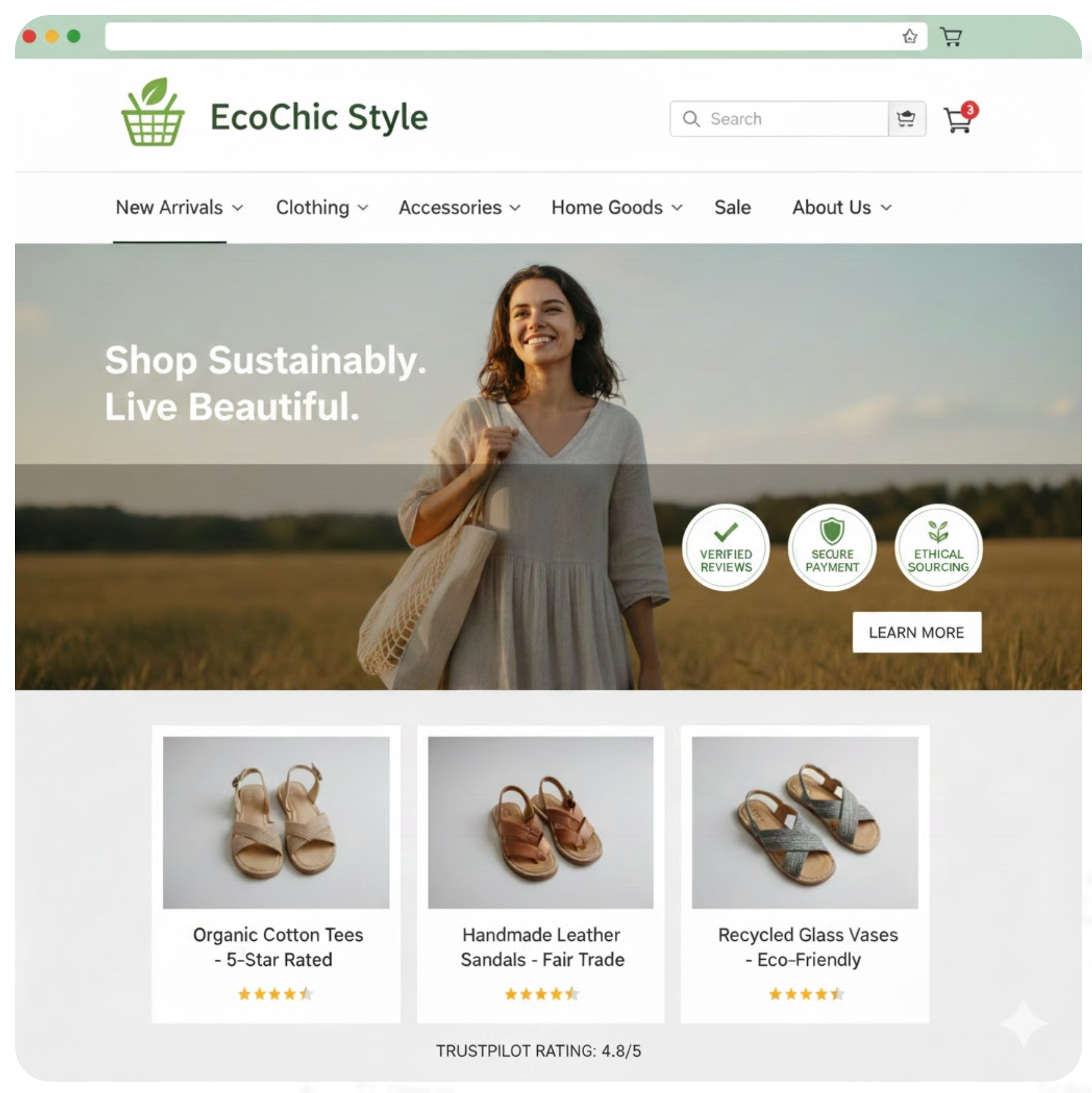
Above-the-fold content is the first and most influential moment of interaction between your brand and a new visitor. Before scrolling or clicking, users instinctively judge whether your website feels credible, relevant, and safe. These early impressions shape whether they continue engaging or abandon the page entirely.
Because attention is limited and skepticism is high, trust must be established immediately rather than earned gradually. The sections below explain how to intentionally build that trust using structure, clarity, and reassurance.
Visitors arrive with expectations, questions, and doubts formed before they ever see your page. In just a few seconds, they decide whether your website feels legitimate and worth their time. If trust is missing early, even strong content further down the page may never be seen.
This makes the above-the-fold area a critical filter that determines engagement and conversion potential. To understand its importance more clearly, consider how users evaluate credibility at a glance.
A value proposition above the fold helps users quickly understand what you offer and why it matters to them. Clarity reduces confusion, while honesty reduces skepticism. When visitors feel oriented, they are more likely to stay engaged.
Instead of trying to impress users with clever slogans, focus on being immediately understandable. The following elements help make your value proposition trustworthy and effective.

Design communicates trust before words are processed. Layout, spacing, typography, and visual hierarchy all signal whether your brand feels professional or unreliable. Poor design can weaken trust even when the message is strong.
Because visuals are processed instantly, they play a powerful role above the fold. The following design choices directly influence perceived credibility.
Social proof reassures visitors that others have already trusted your product or service. It reduces fear by showing that the decision has been validated by real users. However, too much proof can feel cluttered or distracting above the fold.
The goal is to reinforce credibility without stealing focus from the main message. These approaches help strike that balance.
Trust breaks down when users sense hidden costs, commitments, or uncertainty. Addressing risk early helps visitors feel safe continuing. The above-the-fold area is the best place to reduce anxiety before objections form.
Small reassurance signals can significantly increase confidence. These techniques help lower perceived risk immediately.
Users arrive with expectations shaped by ads, search results, or referrals. When above-the-fold messaging does not match those expectations, trust drops instantly. Consistency reassures users that they are in the right place.
Alignment reduces cognitive effort and increases confidence. The following practices help maintain continuity.
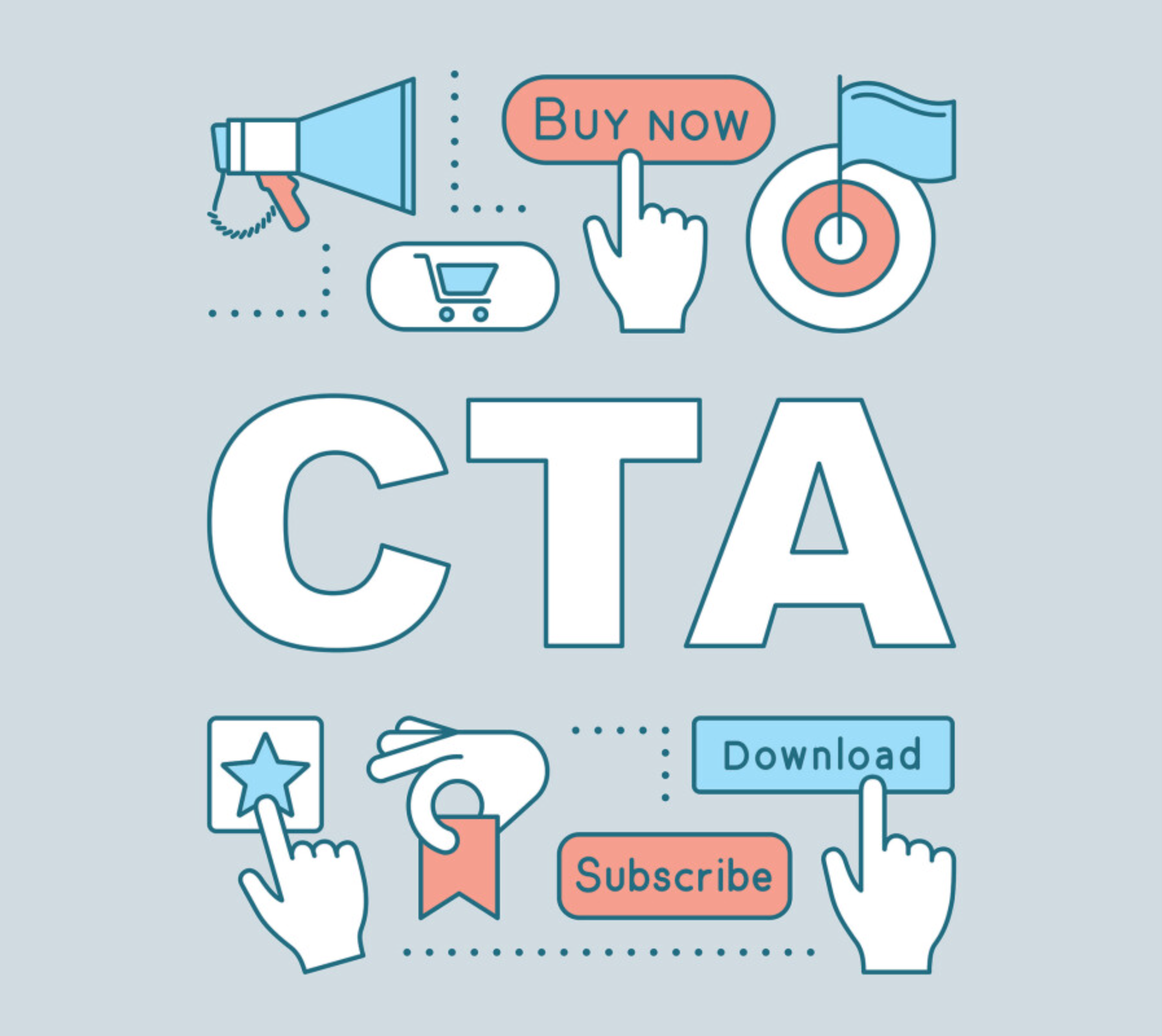
Above-the-fold CTAs should guide users gently rather than pressure them. At this stage, trust is still forming, and aggressive language can feel uncomfortable. Supportive CTAs encourage exploration without forcing commitment.
The wording and clarity of your CTA strongly influence trust. These principles help CTAs feel safe and inviting.
Trust grows when everything above the fold tells the same story. Headlines, visuals, proof, and CTAs should reinforce one core message. Inconsistencies create doubt and slow decision-making.
Consistency simplifies evaluation and builds confidence. These practices help maintain alignment.
User expectations evolve, and what builds trust today may not work tomorrow. Continuous improvement ensures your above-the-fold experience stays effective. Even small refinements can create measurable impact.
Testing helps replace assumptions with evidence. These areas are especially valuable to optimize.
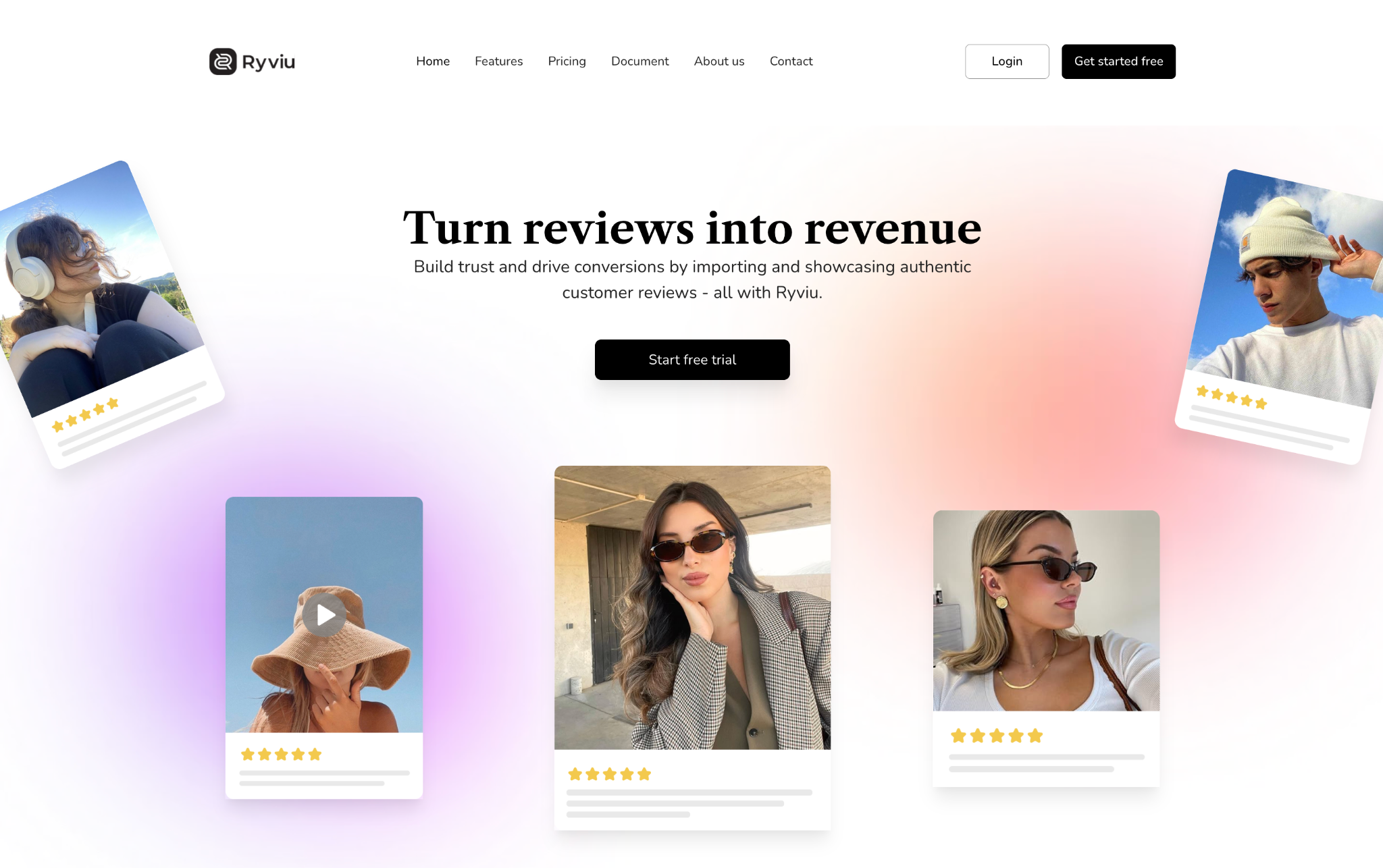
Building trust above the fold is much easier when credibility signals are real, visible, and easy to understand. Ryviu helps store owners showcase authentic customer feedback at the most critical moment of the user journey. By turning real reviews into clear trust signals, Ryviu reduces doubt before visitors even scroll.
Instead of relying on generic claims, Ryviu allows social proof to speak for itself. The following features show how Ryviu directly strengthens trust above the fold.
Trust above the fold determines whether users engage or leave. It shapes how every message below is perceived. Without early trust, even the best content struggles to perform.
By focusing on clarity, alignment, reassurance, and consistency, you create an experience that feels confident and credible. In a competitive digital environment, building trust above the fold is not optional, it is foundational.