New to Shopify? Free trial, then $1/month for your first 3 months. Start free trial →
 Where is your store?
Ryviu works with both – pick yours to continue.









Shipping fees are rarely straightforward, especially for eCommerce stores that sell more than one type of product. A small accessory, a fragile decorative item, and a bulky piece of furniture all place very different demands on logistics, packaging, and delivery partners. Treating them the same can quickly lead to lost profit or frustrated customers.
In this article, we’ll explore how to handle shipping fees based on product characteristics, explain why these differences matter, and share practical strategies to keep your shipping pricing both fair and effective.
Every product introduces its own shipping challenges. Factors such as weight, size, fragility, value, and handling requirements directly affect carrier pricing and fulfillment complexity. When these factors are ignored, merchants often underprice shipping and absorb unexpected costs, or overprice it and risk losing sales.
A well-structured shipping strategy reflects real fulfillment costs while still aligning with customer expectations. When customers feel that shipping fees are reasonable and justified, they are far more likely to complete their purchase and return in the future.
Lightweight and compact items, such as clothing, accessories, books, or small beauty products, are generally the most predictable to ship. Carrier fees for these products are typically based on weight rather than size, keeping costs relatively low and stable across regions.
Because shipping costs are easier to control, merchants have more flexibility in how they present fees to customers. Many choose to simplify pricing to reduce friction at checkout and encourage higher order values.
To keep shipping both attractive and profitable for small items, merchants often rely on the following approaches:
This strategy works especially well for stores with high order volumes and competitive pricing, where ease of checkout directly impacts conversions.
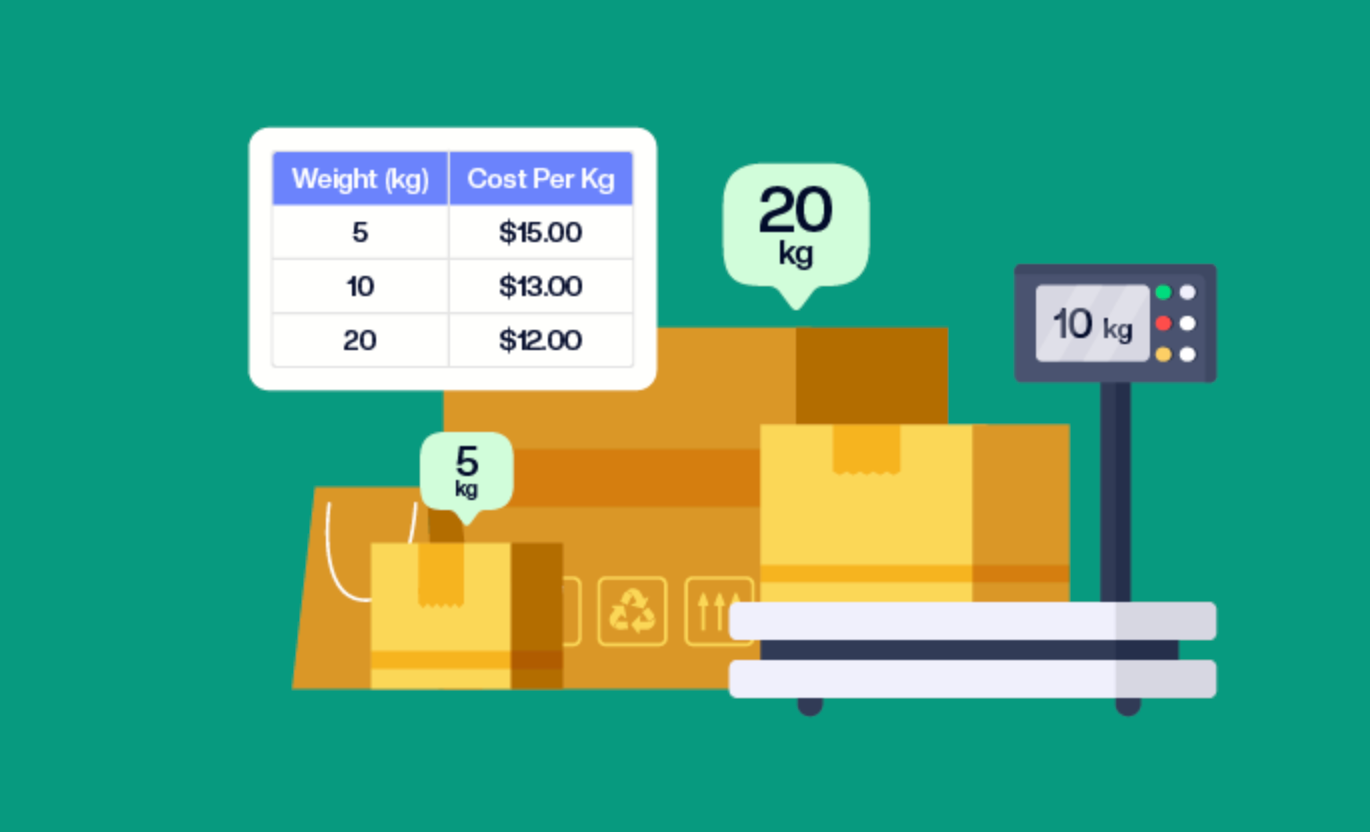
Heavy products, such as fitness equipment, bulk supplies, or large electronics, introduce higher shipping costs due to carrier weight-based pricing. These costs can increase significantly depending on distance, delivery speed, and fuel surcharges.
In most cases, fully absorbing shipping costs for heavy items is not sustainable. Instead, shipping fees should be calculated as accurately as possible to protect margins while remaining transparent to customers.
To manage shipping for heavy products more effectively, many merchants adopt these practices:
Customers are generally understanding of higher shipping fees for heavy items, as long as the logic behind the pricing is clear and upfront.
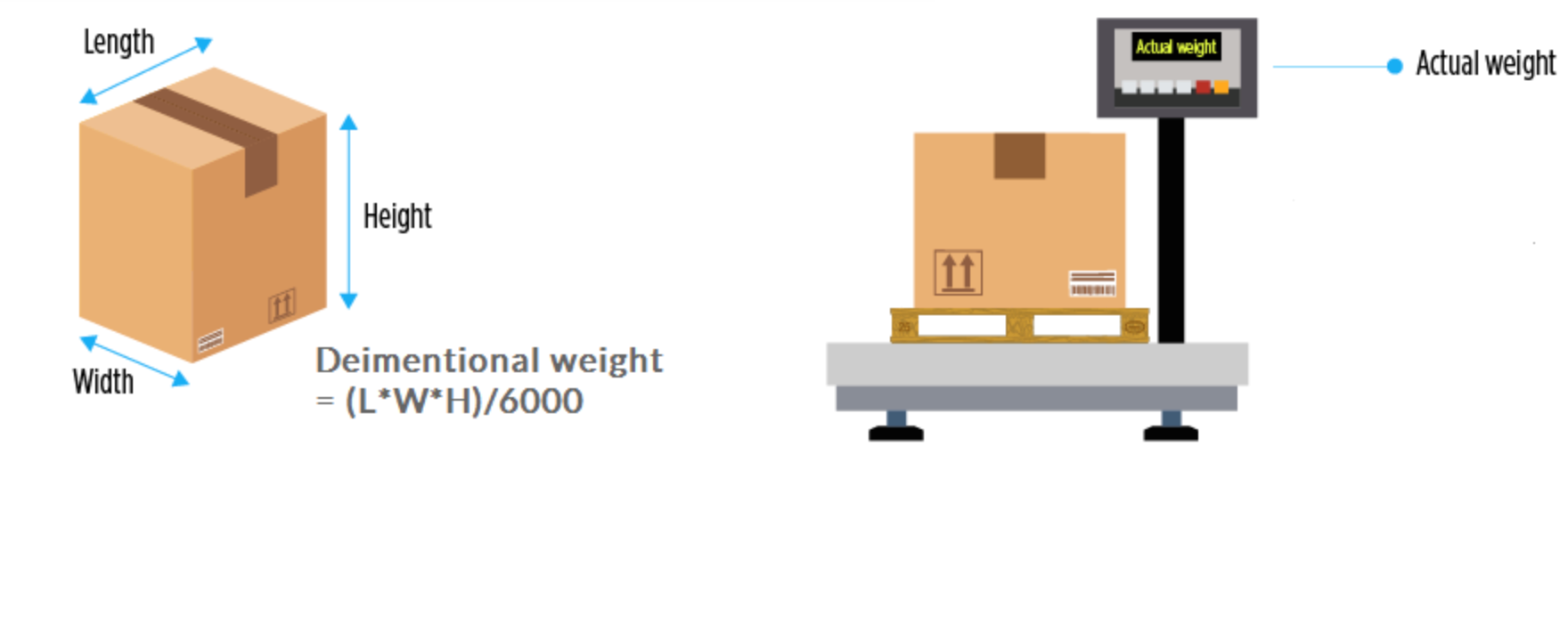
Bulky or oversized products may not weigh much, but their dimensions trigger higher shipping fees due to dimensional weight calculations. Items such as furniture, large home décor, or sporting equipment often fall into this category.
Because shipping costs can vary widely based on destination and carrier policies, flat-rate shipping is often risky. Instead, merchants need pricing models that adapt to size-related cost fluctuations.
To avoid undercharging while maintaining clarity, merchants typically rely on:
Providing shipping information directly on the product page can significantly reduce confusion and prevent abandoned carts later in the checkout process.
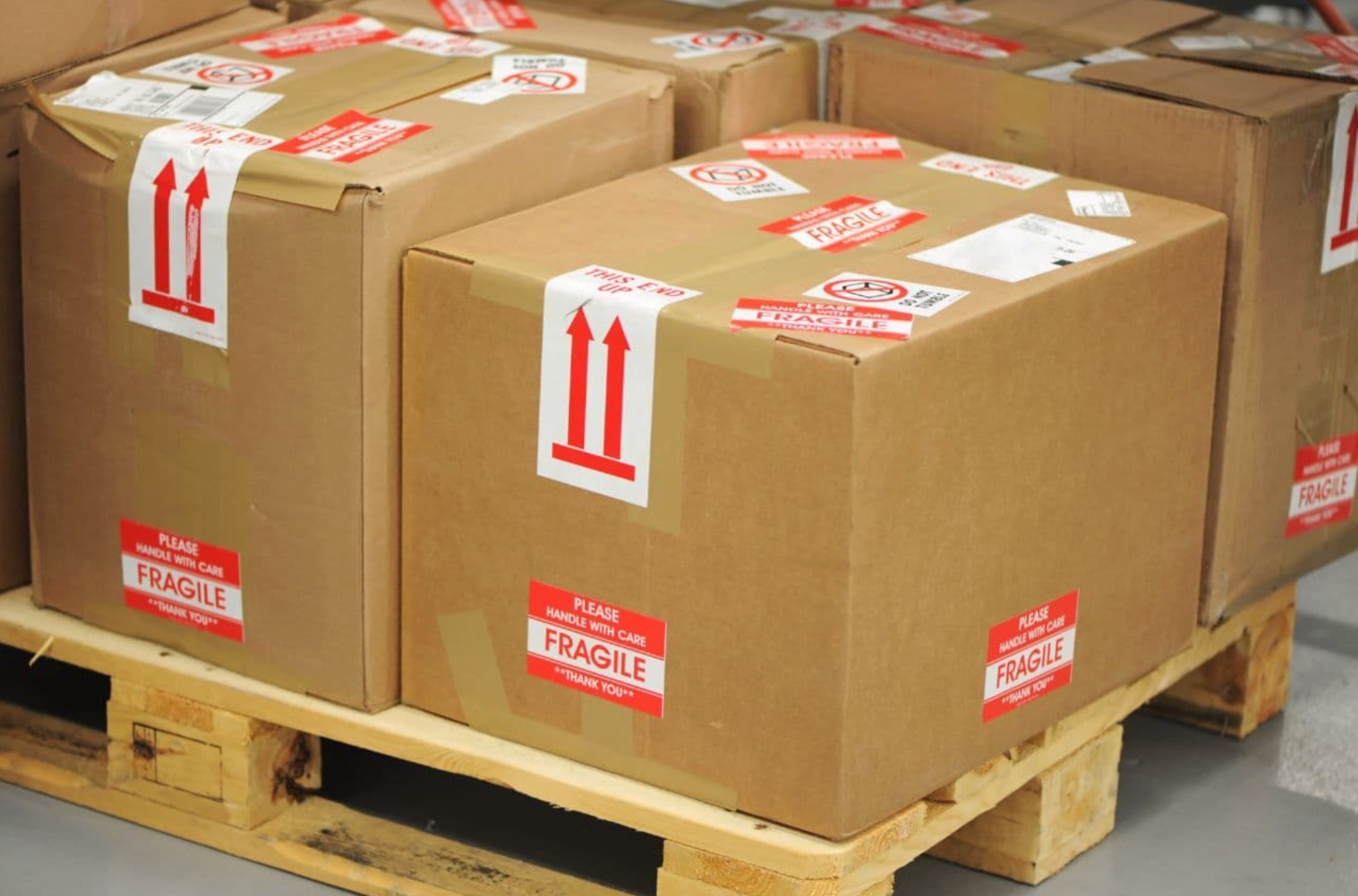
Fragile products require additional protection, careful handling, and often higher insurance coverage. Glassware, ceramics, and sensitive electronics all demand extra packaging materials and more labor during fulfillment.
Rather than hiding these costs within product pricing, many merchants choose to reflect them in shipping or handling fees. This helps cover real expenses while signaling that the product will be shipped safely.
When dealing with fragile items, merchants often consider:
Customers are usually willing to accept slightly higher shipping fees when they understand that the product is being properly protected.
High-value items, such as luxury goods, fine jewelry, or professional equipment, come with higher risk and stricter delivery requirements. Secure packaging, insurance, and signature confirmation are often necessary to prevent loss or fraud.
To preserve a premium buying experience, many merchants incorporate shipping costs into the product price and promote the offer as “free insured shipping.” This shifts focus away from cost and toward security and trust.
For high-value shipments, merchants frequently prioritize:
In this case, shipping is less about affordability and more about confidence and reliability.

Perishable products, such as food, flowers, or temperature-sensitive goods, require fast delivery and controlled handling. These constraints limit carrier options and significantly raise fulfillment costs.
Higher shipping fees are often unavoidable, but customers are more accepting when the reasons are clearly explained. Emphasizing freshness, safety, and speed helps justify premium pricing.
To manage shipping for perishable goods, merchants commonly implement:
In this category, consistent delivery performance matters far more than offering the lowest possible shipping fee.
Mixed carts, containing items with different shipping requirements, are one of the most complex challenges in eCommerce. A single order may include a lightweight item alongside a bulky or fragile product, each with different cost structures.
To prevent undercharging, many stores apply shipping logic that prioritizes the most expensive shipping requirement in the cart. Advanced shipping rules help automate this process without overwhelming customers.
Effective ways to manage mixed carts include:
A clean and understandable checkout experience is essential to keeping customers confident and committed to completing their purchase.
Even the most accurate shipping fees can create friction if they are poorly communicated. Customers should never feel surprised by shipping costs at the final step of checkout.
Clear shipping policies, product-level notes, and early cost estimates help customers understand what they are paying for and why. Shipping transparency builds trust and reduces hesitation, especially for higher-cost shipping scenarios.
Handling shipping fees for different types of products requires more than a single pricing rule. Lightweight items benefit from simplicity, while heavy, bulky, fragile, high-value, and perishable products demand more precise and thoughtful approaches.
By aligning shipping fees with product characteristics and communicating them clearly, eCommerce merchants can protect profit margins, reduce cart abandonment, and deliver a smoother customer experience. Shipping, when handled well, becomes a competitive advantage rather than a barrier to sales.