New to Shopify? Free trial, then $1/month for your first 3 months. Start free trial →
 Where is your store?
Ryviu works with both – pick yours to continue.









As eCommerce becomes increasingly global, customer expectations around payment flexibility continue to rise. Shoppers today want to pay using methods they already trust and use in their everyday lives, whether that means a local bank transfer, a regional eWallet, or a cash-based option. When those expectations are not met, even highly motivated buyers may abandon checkout.
Implementing local payment methods effectively is not simply a technical task, it is a strategic decision that directly impacts conversion rates, customer trust, and long-term market expansion. This guide explores how businesses can approach local payment implementation in a structured, scalable, and results-driven way.
A successful local payment strategy starts with a deep understanding of your audience. Payment behavior varies dramatically by geography, culture, and economic infrastructure. Assuming that international customers will adapt to global credit card standards often leads to unnecessary friction at checkout.
To identify the right opportunities, businesses should combine quantitative data with market-specific insights:
This analysis allows you to prioritize payment methods that align with real customer behavior, ensuring your efforts focus on impact rather than guesswork.
Adding every available payment method can clutter the checkout experience and confuse customers. Instead, the goal should be to offer a curated selection that reflects the most trusted and widely adopted options in each region.
Local payment methods generally fall into several key categories:
By focusing on relevance and adoption, businesses can improve checkout confidence while keeping the payment experience clean and intuitive.
Behind every effective payment experience is a strong technical foundation. Managing multiple local payment methods individually can increase development time, maintenance costs, and compliance risk.
A localization-friendly payment gateway simplifies this complexity by:
This centralized approach allows businesses to scale internationally without rebuilding their payment infrastructure for each new region.
Local payment methods perform best when the surrounding checkout experience feels familiar and intuitive. Localization should go beyond displaying recognizable logos and extend to language, instructions, and user flow.
Key localization considerations include:
When customers understand exactly what will happen after clicking “Pay,” hesitation decreases and completion rates improve.
Even the right payment methods can underperform if they are poorly presented. Customers often scan checkout pages quickly, looking for the option they trust most.
To improve usability and reduce decision friction:
A well-structured layout helps customers make faster decisions, which is especially important on mobile devices.
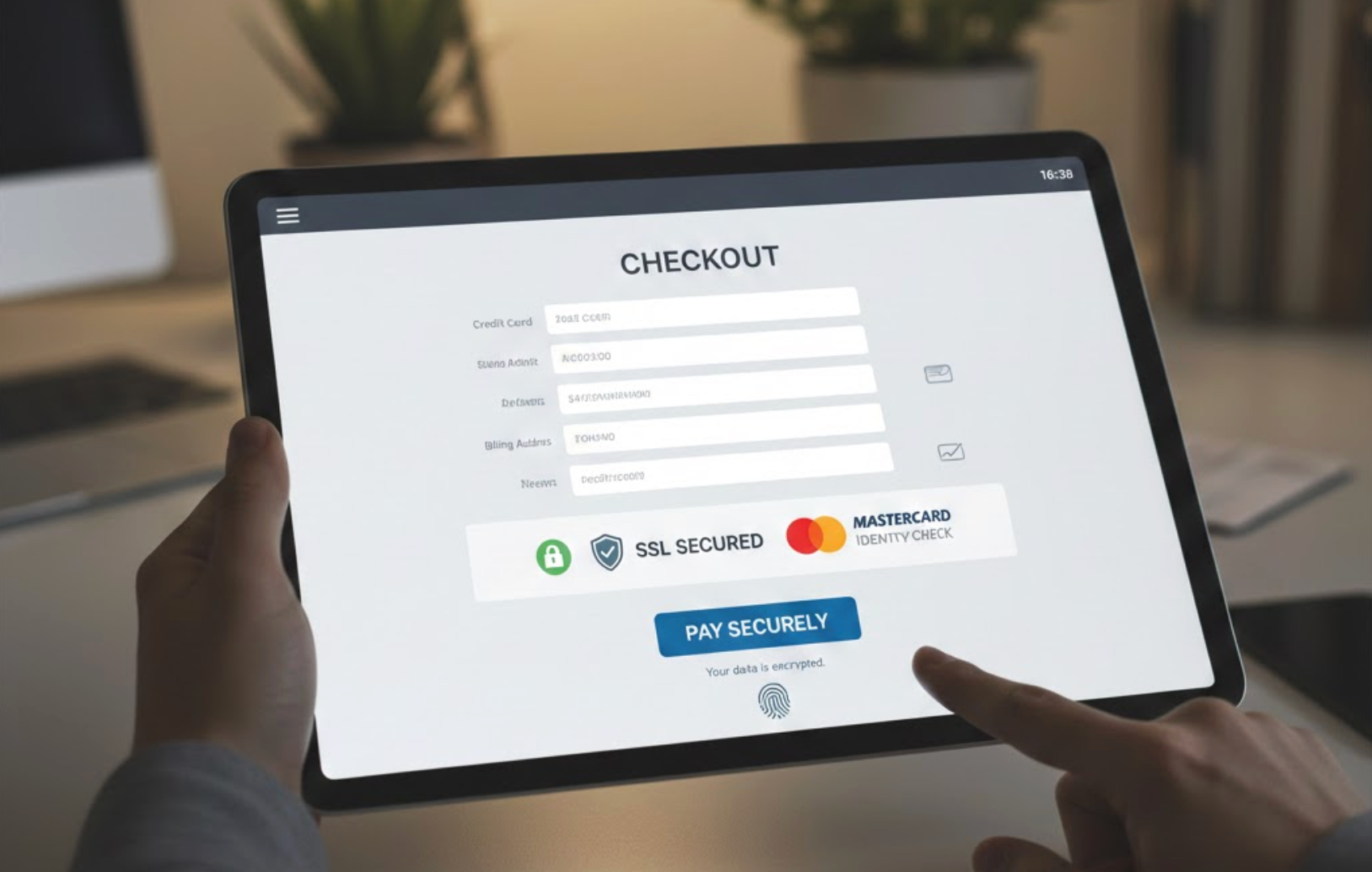
Trust plays a critical role in payment adoption, particularly when customers encounter a new brand or payment flow. Without visible reassurance, users may hesitate or abandon checkout entirely.
Effective trust-building elements include:
When customers feel safe, they are more likely to complete transactions and return for future purchases.
Payment implementation is not a one-time task. Customer behavior, provider performance, and market trends evolve over time, making ongoing optimization essential.
Businesses should regularly track:
These insights help identify underperforming methods, refine presentation, and adjust strategies based on real-world performance.
An effective local payment setup should support both current needs and future expansion. As businesses enter new markets, the ability to activate or deactivate payment methods quickly becomes a competitive advantage.
Scalable strategies focus on:
This forward-looking approach ensures your payment infrastructure grows alongside your business.
Implementing local payment methods effectively requires more than technical integration. It’s about creating a checkout experience that feels familiar, trustworthy, and effortless. By combining the right local payment options with authentic social proof from Ryviu, businesses can reduce hesitation, increase conversions, and build lasting trust in every market they enter.
When customers can pay the way they prefer, and see that others have done so successfully, checkout becomes a powerful growth driver rather than a barrier.