New to Shopify? Free trial, then $1/month for your first 3 months. Start free trial →
 Where is your store?
Ryviu works with both – pick yours to continue.








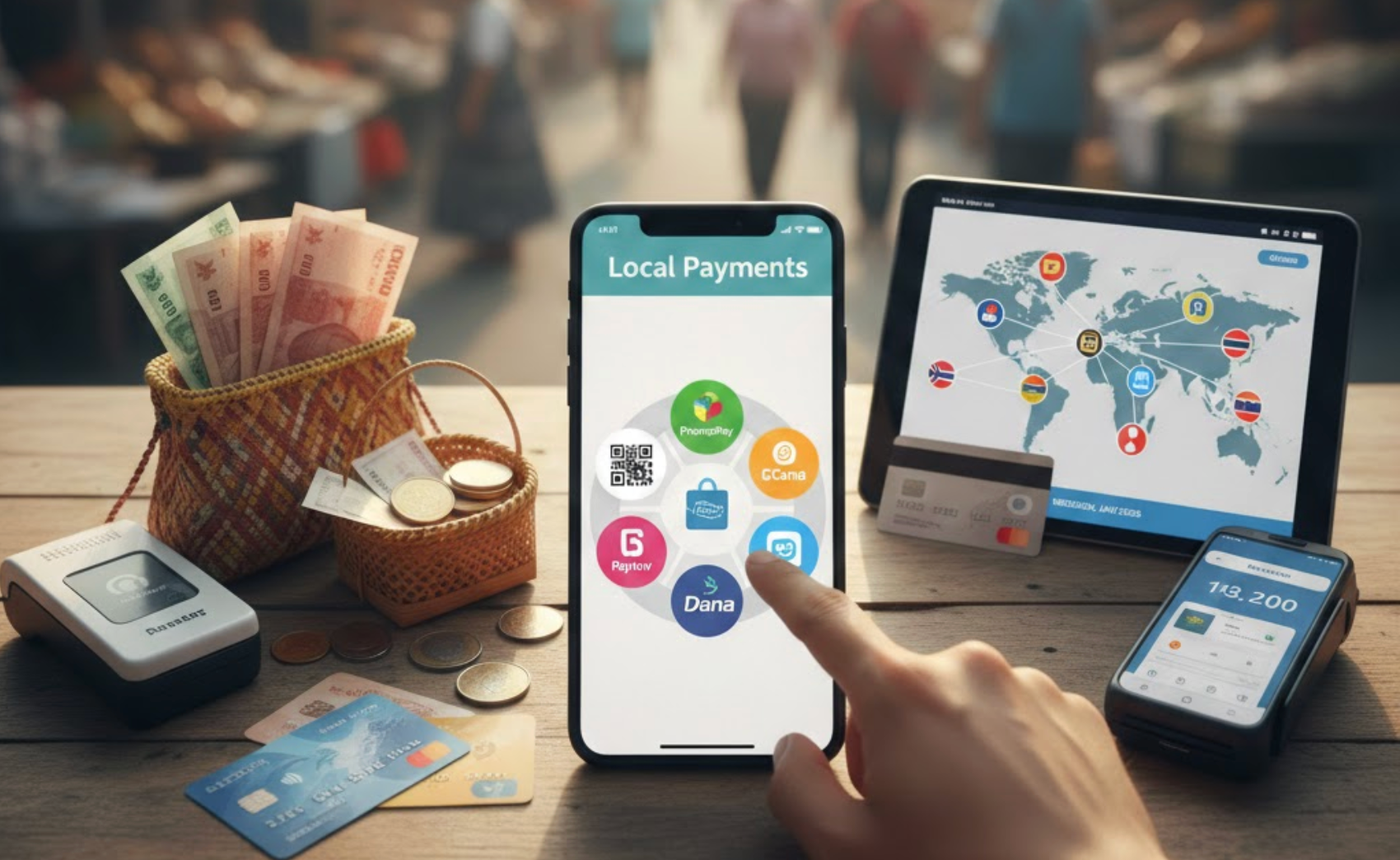
As eCommerce becomes more global, customer expectations around payments are becoming more local. Shoppers no longer want to adapt to unfamiliar payment systems just to complete a purchase. Instead, they expect online stores to support the same payment methods they use in their daily lives.
When customers reach checkout and don’t see a familiar option, hesitation quickly turns into abandonment. That’s why understanding local payment methods is essential for any business selling across regions or targeting international customers. Supporting the right payment options can dramatically improve trust, conversion rates, and long-term customer loyalty.
Local payment methods refer to region-specific ways of paying that are widely adopted within a particular country or market. These methods are often built around domestic banking systems, mobile apps, or offline payment networks that customers already trust.
Unlike international cards or global wallets, local payment methods usually follow payment flows that feel familiar to local users. Some redirect customers to their bank’s secure interface, others rely on QR codes or mobile apps, while some allow offline cash payments linked to an online order.
Because these systems are deeply rooted in local infrastructure, they reduce uncertainty and make online purchases feel safer and more intuitive.
Payment friction is one of the most common reasons customers abandon checkout. Even highly motivated shoppers may hesitate if they are asked to use a payment method they don’t fully understand or trust.
Local payment methods solve this problem by aligning with customer habits. When shoppers see familiar payment logos, they feel reassured that the transaction is legitimate and secure. This sense of familiarity shortens decision time and increases the likelihood of completing the purchase.
From a business standpoint, offering local payment options also expands market reach. It allows brands to serve customers who don’t own credit cards or prefer not to use them online, which is especially important in emerging markets.
Although local payment methods vary by country, they generally fall into a few main categories. Understanding these categories helps businesses choose the most relevant options for their audience.
Bank-based payments are among the most trusted local payment methods worldwide. Customers initiate payments directly from their bank accounts, often through a secure redirect to their bank’s website or app.
This method appeals to users who value security and transparency, as banks handle authentication and confirmation.
In mobile-first markets, digital wallets dominate online payments. These wallets are typically linked to a phone number, app balance, or local bank account, making them extremely convenient.
Customers prefer these options because they are fast, familiar, and optimized for smartphones.
In regions where cash is still widely used, many customers rely on voucher or pay-at-location methods. These systems allow users to place an order online and pay later at a physical location.
This approach makes ecommerce accessible to users without bank accounts or digital wallets.
Some local payment solutions focus on splitting payments into installments. These options reduce the psychological barrier of upfront cost, especially for higher-priced products.
Customers feel more comfortable purchasing when they can manage payments over time.
Implementing local payment methods effectively requires careful planning rather than simply adding more options at checkout. Businesses need to understand how customers prefer to pay and which payment barriers may be preventing conversions. A well-structured payment strategy ensures local methods improve the experience instead of creating confusion.
To achieve this, businesses should focus on data-driven decisions and a checkout experience that feels familiar and effortless.
Local payment methods are a cornerstone of successful global ecommerce. They reflect regional habits, build trust, and remove barriers that often stand between interest and conversion.
By understanding how these payment methods work and implementing them strategically, businesses can unlock new markets, improve checkout performance, and create a smoother buying experience for customers everywhere.