New to Shopify? Free trial, then $1/month for your first 3 months. Start free trial →
 Where is your store?
Ryviu works with both – pick yours to continue.









User-Generated Content (UGC) has become one of the most effective tools in modern marketing. Unlike traditional advertising, UGC carries authenticity, trust, and relatability. Customers sharing their experiences, through photos, videos, reviews, or social posts, acts as social proof and builds credibility for your brand.
However, while many customers enjoy your products, most won’t take the time to create content unless there’s a compelling reason. Incentivizing UGC not only motivates participation but also strengthens customer loyalty and engagement. In this article, we’ll explore detailed strategies for encouraging customers to submit more UGC, with actionable examples and tips for maximum impact.
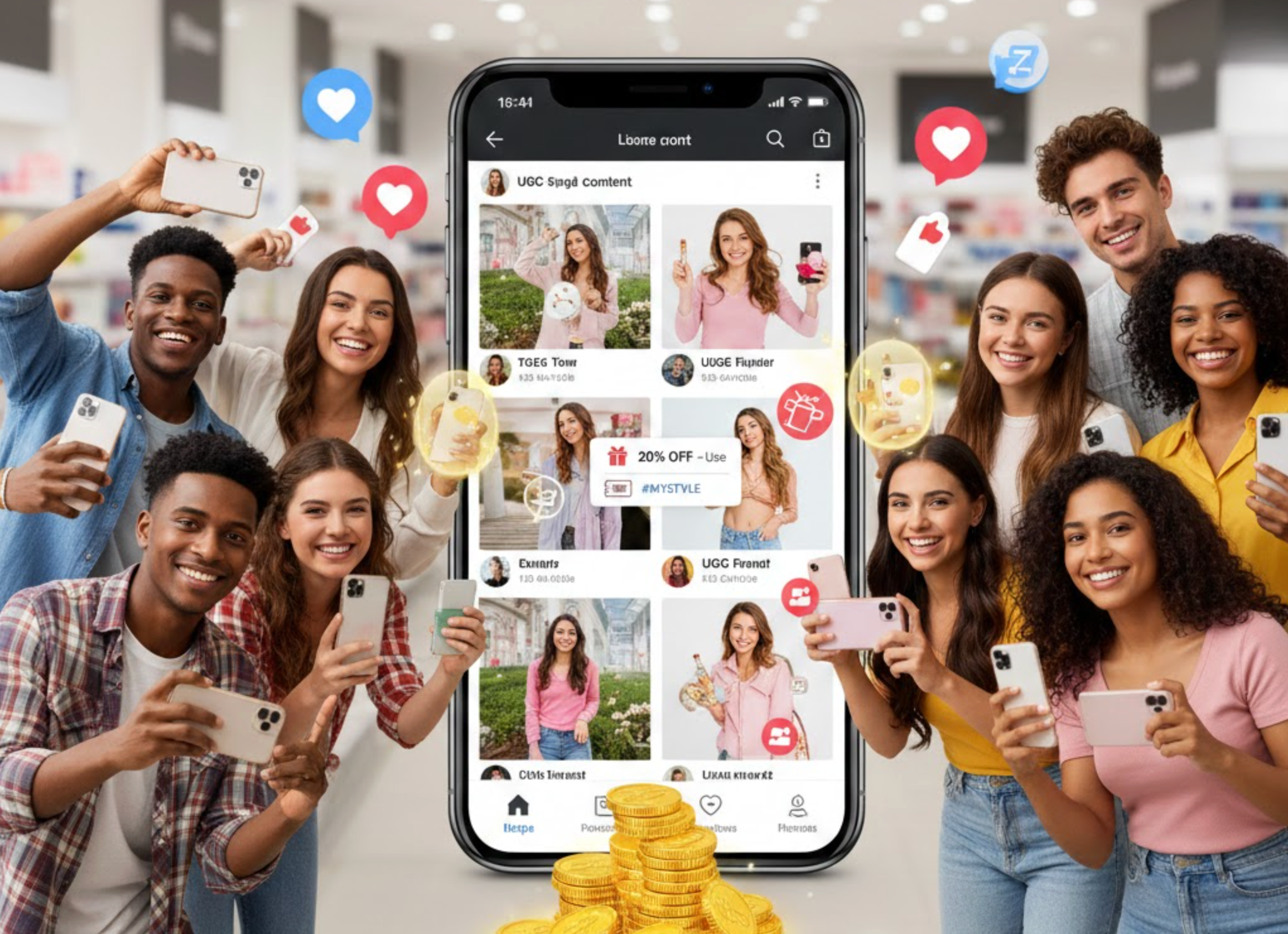
One of the simplest yet most powerful ways to encourage UGC is to reward customers with tangible benefits. Discounts, exclusive deals, or special promotions in exchange for content submission give customers an immediate reason to participate.
Offering discounts also has the added effect of driving repeat purchases. Customers who submit UGC are more likely to return to use their rewards, creating a cycle of engagement and loyalty.

Contests and giveaways are a tried-and-true method for encouraging engagement while generating a flood of UGC. By turning content creation into a competitive or fun challenge, you can motivate your audience to participate enthusiastically.
Contests also provide a sense of urgency. Limited-time campaigns prompt immediate action, while giving your marketing team a steady flow of content to feature.

Recognition can be one of the strongest motivators. When customers know they might be featured on your social media, website, or newsletter, they feel valued and proud. Being highlighted by a favorite brand adds social credibility and strengthens emotional connections.
Featuring customers not only incentivizes submissions but also builds a stronger community around your brand. It fosters loyalty by making customers feel like a part of something bigger.

If your brand already has a loyalty program, tying UGC submissions to rewards can dramatically increase engagement. Customers who are already invested in accumulating points are naturally more motivated to earn more.
Loyalty-linked UGC also strengthens brand advocacy. Customers feel recognized and rewarded not just for purchases, but for actively engaging with your brand community.

Gamification adds an element of fun and challenge to content creation. By introducing levels, badges, or progress tracking, you create an engaging experience that encourages ongoing participation.
Gamification transforms UGC from a task into an enjoyable experience, making content creation something your audience looks forward to rather than feels obligated to do.

Even with the best incentives, complicated submission processes can discourage customers. Making UGC submission intuitive, fast, and accessible is critical to achieving high participation rates.
A smooth submission process ensures that even customers who are initially hesitant can participate easily, increasing both volume and quality of UGC.
Incentives are important, but never underestimate the power of appreciation. A personal touch, thanking contributors or engaging with their submissions, strengthens relationships and encourages repeated participation.
Expressing gratitude turns UGC from a transactional interaction into a meaningful exchange, cultivating a community of loyal, engaged customers.
Encouraging customers to submit UGC requires a combination of thoughtful incentives, simplicity, and appreciation. Offering discounts, running contests, featuring customers, linking submissions to loyalty programs, gamifying participation, simplifying submission processes, and expressing gratitude all work together to motivate participation. The key is to balance tangible rewards with emotional recognition while making the process enjoyable and effortless.
When done right, incentivizing UGC not only generates authentic marketing content but also builds a loyal, engaged community that advocates for your brand. By investing in your customers’ experience and showing appreciation for their contributions, you transform everyday buyers into passionate brand ambassadors who continue to create content long-term.