New to Shopify? Free trial, then $1/month for your first 3 months. Start free trial →
 Where is your store?
Ryviu works with both – pick yours to continue.








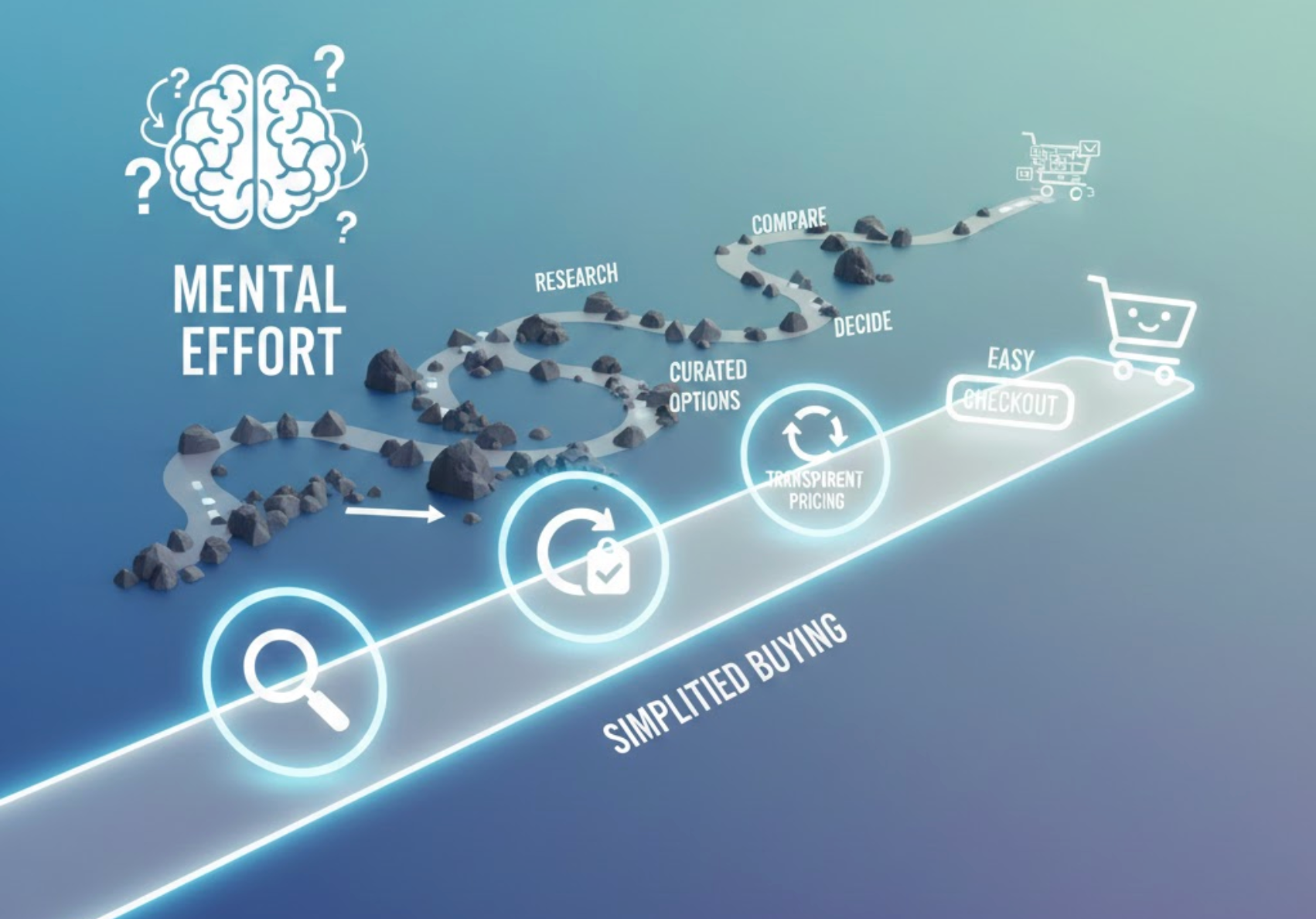
In modern ecommerce, customers rarely abandon a purchase because they lack interest. More often, they leave because the buying process demands too much thinking. Every unclear message, unnecessary choice, or confusing step adds mental friction that quietly drains motivation. When that effort becomes too high, even highly motivated shoppers disengage.
Reducing mental effort means designing an experience that feels obvious, supportive, and easy to follow. Instead of forcing customers to figure things out on their own, you guide them toward confident decisions with clarity and structure. When buying feels simple, customers move forward naturally and conversions increase as a result.
Before improving the buying experience, it’s essential to understand what mental effort actually looks like from a customer’s perspective. Cognitive load refers to the amount of mental energy a shopper must spend to process information, interpret messages, compare options, and ultimately make a decision. Every unfamiliar term, unclear benefit, or extra choice adds to this load, often without the customer consciously realizing it.
When cognitive load becomes too high, customers start to feel uncertain and fatigued. They may pause longer, hesitate between options, or abandon the process entirely, not because the product is wrong, but because the experience feels mentally demanding. This is especially common in ecommerce, where customers lack human guidance and must rely entirely on your interface and content for direction.
A well-designed buying journey actively reduces unnecessary thinking and replaces it with clear guidance. The goal is not to eliminate choices or information, but to present them in a structured, digestible way that supports decision-making. By organizing content logically and highlighting what matters most at each stage, you help customers move forward with confidence instead of confusion.
When mental effort is minimized, customers feel in control, focused, and ready to complete their purchase.
One of the fastest ways to increase mental effort is making customers work to understand what you offer. If your value proposition is vague or abstract, shoppers must pause, interpret, and guess whether your product is right for them. That moment of hesitation often leads to exit.
Your primary value should be instantly recognizable and clearly connected to a real outcome. Instead of focusing on clever wording or brand slogans, focus on clarity and relevance. The faster customers understand “what this is” and “why it helps me,” the less mental effort they expend.
To make your value immediately clear, guide customers with simple and direct messaging:
When customers instantly understand the value, they can move forward without second-guessing.
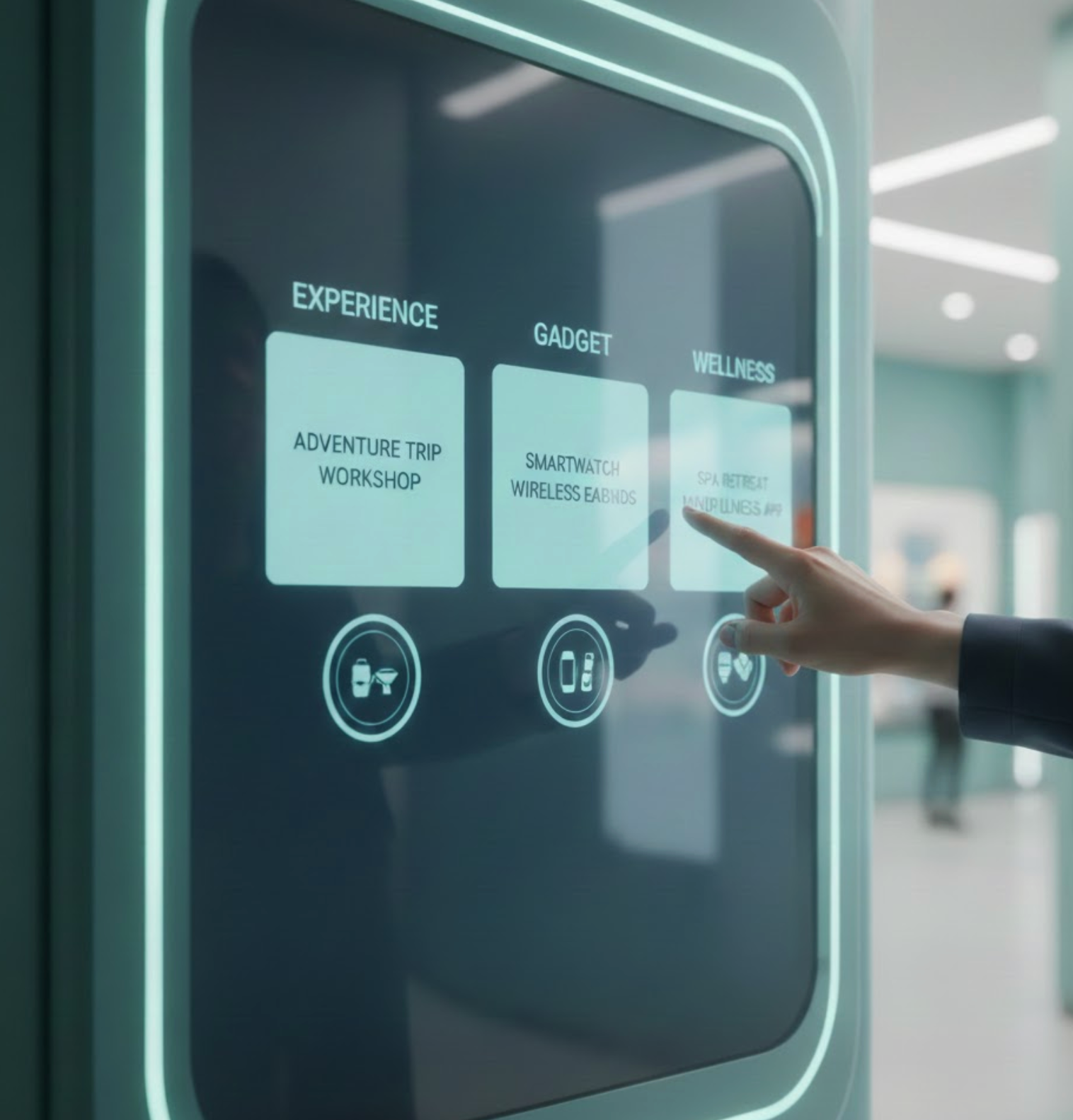
Choice is empowering, but too much choice creates mental fatigue. When customers face dozens of similar options or complex configurations, they are forced into comparison mode. This analytical effort slows decision-making and increases the chance of abandonment.
Reducing mental effort doesn’t mean removing freedom. Instead, it means shaping choices in a way that feels helpful rather than overwhelming. Well-structured options allow customers to feel guided while still in control.
You can make decisions feel easier by presenting choices more thoughtfully:
When choices are framed clearly, customers feel supported instead of burdened.
When a page looks or behaves unexpectedly, customers must stop and figure out how to interact with it. This extra thinking interrupts flow and increases mental effort, even if the design looks visually impressive.
Familiar design patterns reduce effort because customers already know how they work. Consistency creates a sense of control and helps users move confidently through the buying process without hesitation.
To minimize cognitive friction, design with predictability in mind:
When customers don’t have to think about how to use your site, they can focus entirely on buying.

A long or undefined buying process feels intimidating, even if it’s technically simple. When customers can’t see how many steps remain, they may assume the process will be complicated or time-consuming.
Breaking the journey into visible, logical steps reduces mental pressure. Each small step feels achievable, and progress becomes emotionally motivating rather than stressful.
To make the process feel lighter and more structured:
When customers see a clear path forward, they are more likely to complete it.
Customers rarely read everything, but they scan. When content is dense or poorly structured, shoppers must work harder to extract meaning. This reading effort adds friction and slows decision-making.
Effective content design helps customers understand key points at a glance. Visual hierarchy, spacing, and formatting all play a critical role in reducing mental load.
You can make information easier to process by presenting it more clearly:
When information is easy to digest, customers feel confident without feeling overwhelmed.
Every unanswered question creates mental tension. Customers begin to imagine risks, hidden costs, or potential problems, which increases hesitation and delays decisions.
Instead of forcing customers to search for reassurance, bring critical information forward at the right moment. Proactive clarity prevents overthinking and builds trust naturally.
You can reduce doubt by clearly addressing common concerns early:
When doubts are resolved before they arise, decision-making becomes smoother and faster.
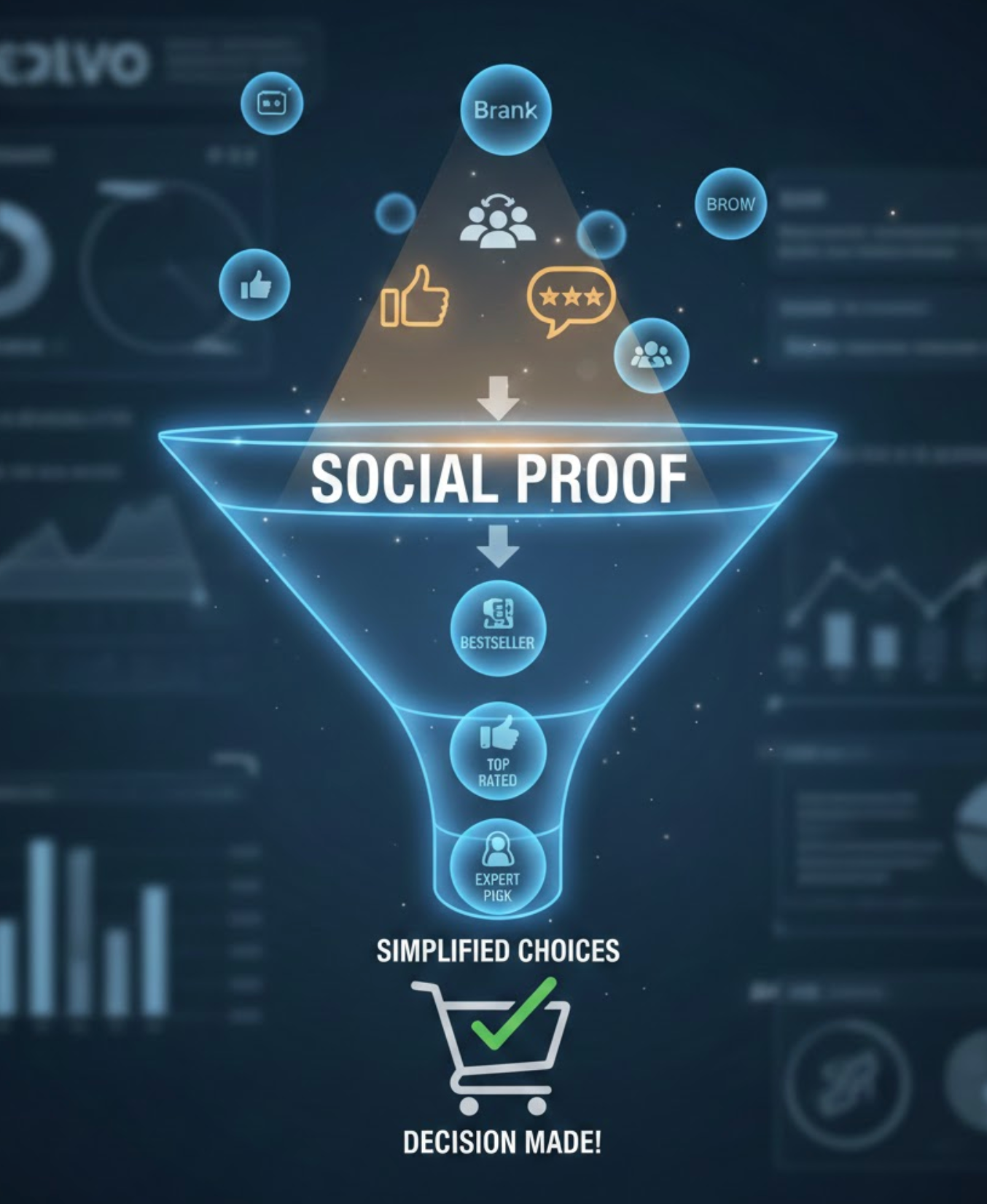
Social proof reduces mental effort by offering reassurance through others’ experiences. When customers see that people like them have already chosen your product, they feel less pressure to analyze every detail.
Instead of thinking, “Is this the right choice?” customers begin to think, “This worked for others, so it will likely work for me.” This mental shortcut speeds up the buying process.
To make social proof effective and credible:
Strong social proof replaces uncertainty with confidence.
Every click, field, or request adds friction. While each one may seem minor, they collectively increase both mental and physical effort, especially on mobile devices.
A streamlined process helps customers maintain momentum and reduces the chance of fatigue or frustration. The easier it feels to complete an action, the more likely customers are to finish.
You can simplify interactions by reducing unnecessary effort:
When fewer actions are required, the buying process feels faster and easier.
Customers feel more comfortable when they receive confirmation that they’re on the right track. Without feedback, uncertainty grows and mental tension increases.
Small cues that acknowledge progress reduce anxiety and encourage continuation. These moments of reassurance help customers stay engaged through the final steps.
To reinforce confidence during the journey:
Positive feedback keeps mental effort low and motivation high.
Reducing mental effort during the buying process is about creating clarity, not pressure. When customers understand value quickly, face fewer decisions, and feel guided rather than challenged, buying becomes a natural next step.
Every improvement that simplifies thinking builds trust and momentum. By removing unnecessary friction and designing with the customer’s mental experience in mind, you don’t just increase conversions—you create a buying journey that feels effortless, confident, and genuinely satisfying.