New to Shopify? Free trial, then $1/month for your first 3 months. Start free trial →
 Where is your store?
Ryviu works with both – pick yours to continue.








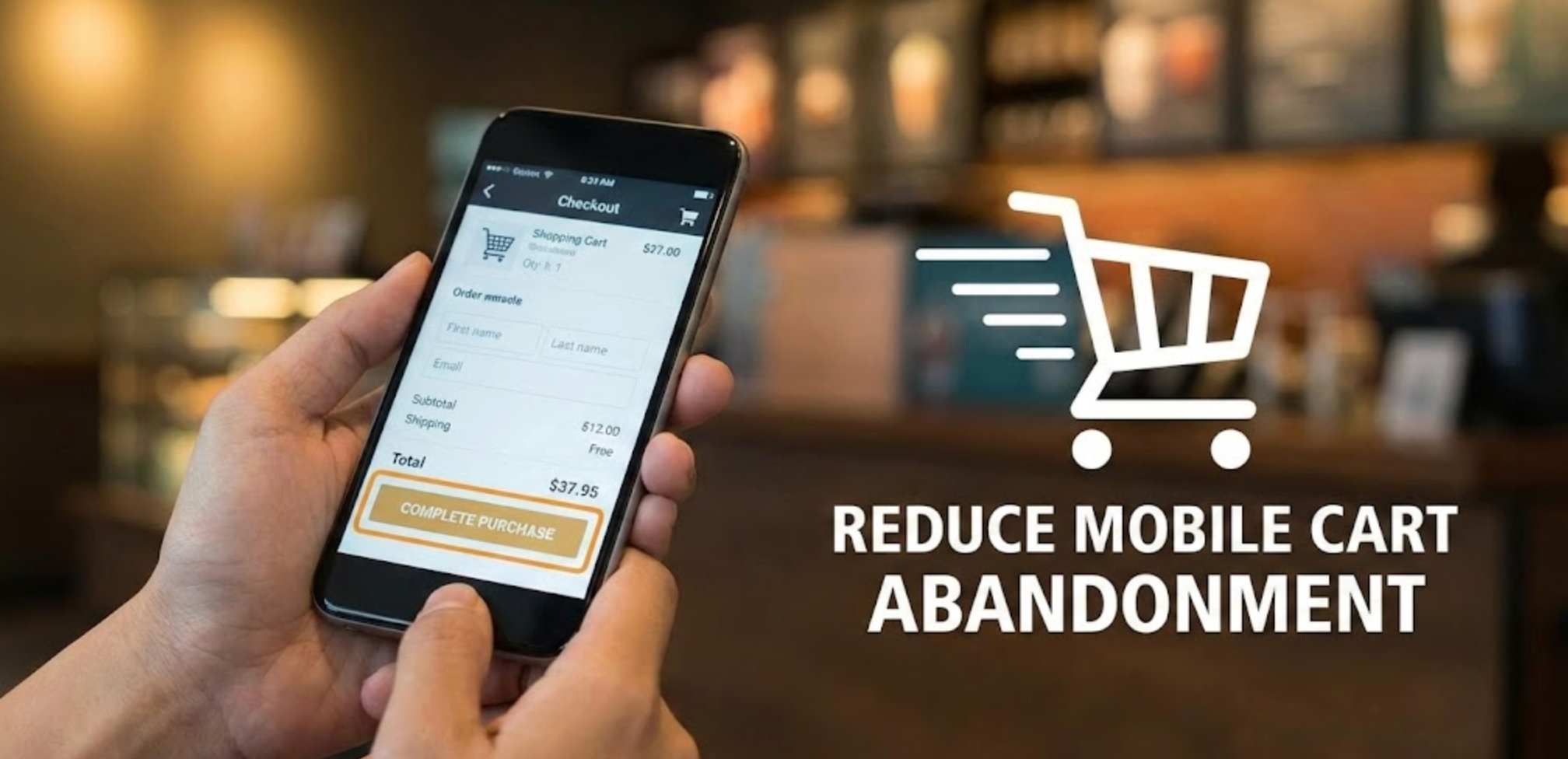
Mobile cart abandonment happens when shoppers add items to their cart on a mobile device but leave before completing checkout. Because mobile users face smaller screens, slower typing, and frequent distractions, the checkout experience must be especially smooth. Even small usability issues can interrupt momentum and cause shoppers to abandon their carts. Reducing abandonment requires removing friction while reinforcing trust and clarity at every step.
A complex checkout flow feels significantly more difficult on mobile devices than on desktop. Too many steps, repeated form fields, or unclear progress indicators increase cognitive load and frustrate users. Mobile shoppers often want to complete purchases quickly, especially when shopping on the go. When checkout feels long or confusing, users are more likely to abandon their carts.
Because of this, simplifying the checkout flow helps users stay focused and move smoothly toward purchase completion.
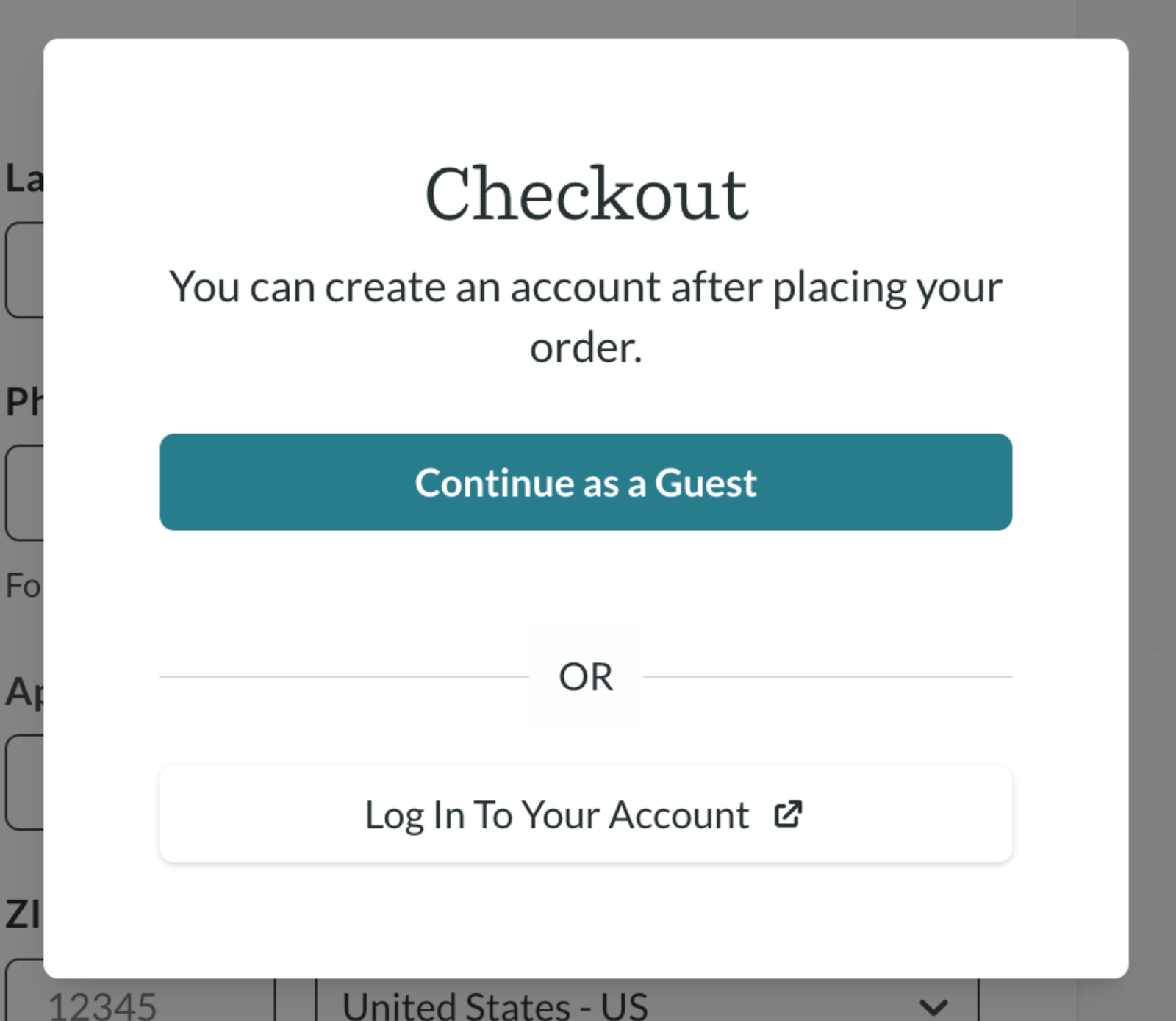
Forcing users to create an account is one of the most common reasons for mobile cart abandonment. Account registration feels like an unnecessary commitment, especially for first-time buyers. On mobile, entering extra information such as passwords and confirmations feels even more tedious. Many shoppers simply want to complete their purchase as quickly as possible.
For this reason, offering guest checkout removes a major psychological and practical barrier.
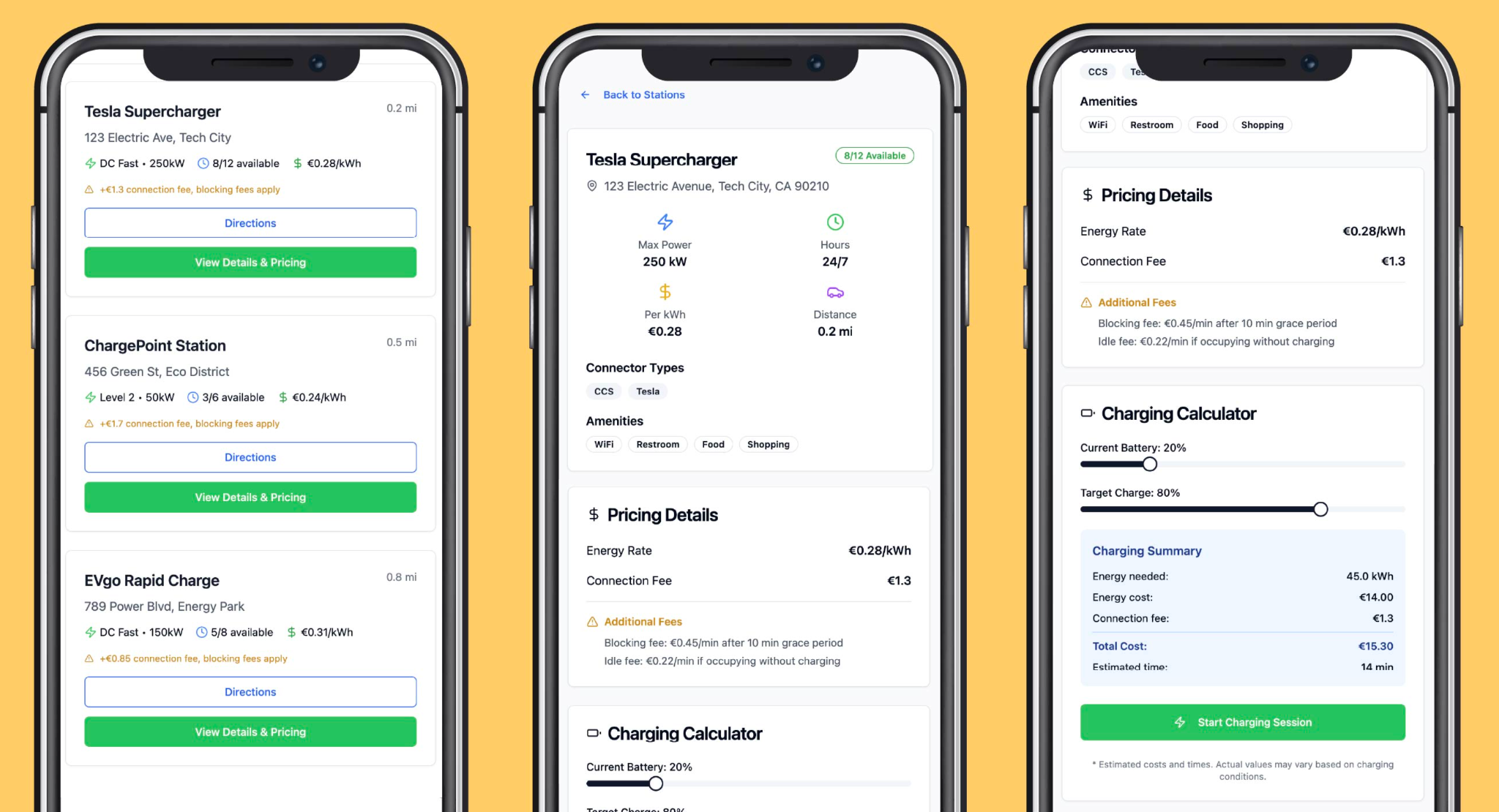
Unexpected fees are a major cause of abandonment during mobile checkout. When shipping, taxes, or service charges appear late in the process, users may feel surprised or misled. Mobile shoppers tend to make faster decisions and have less patience for price changes. Even a small unexpected increase can cause them to leave.
As a result, displaying all costs early builds trust and reduces last-minute hesitation.
Slow page loading creates frustration and reduces user confidence. Mobile users expect immediate feedback when tapping buttons or moving between checkout steps. Delays can make shoppers question whether the site is reliable or functioning correctly. This uncertainty often leads to cart abandonment.
That’s why optimizing page speed for mobile is essential for keeping users engaged.
Forms that are difficult to use on mobile increase errors and frustration. Small input fields, crowded layouts, and unclear labels make checkout feel stressful. Users may misstep, struggle to correct errors, or feel uncertain about what information is required. These usability issues quickly erode purchase intent.
Therefore, mobile-friendly form and button design improves completion rates.
Mobile shoppers are often more cautious when entering payment details on smaller screens. Without reassurance, concerns about security, refunds, or legitimacy may arise. Trust signals help reduce anxiety and provide confirmation that the purchase is safe. This reassurance is especially important at the payment stage.
Because of this, visible trust elements help users proceed with confidence.
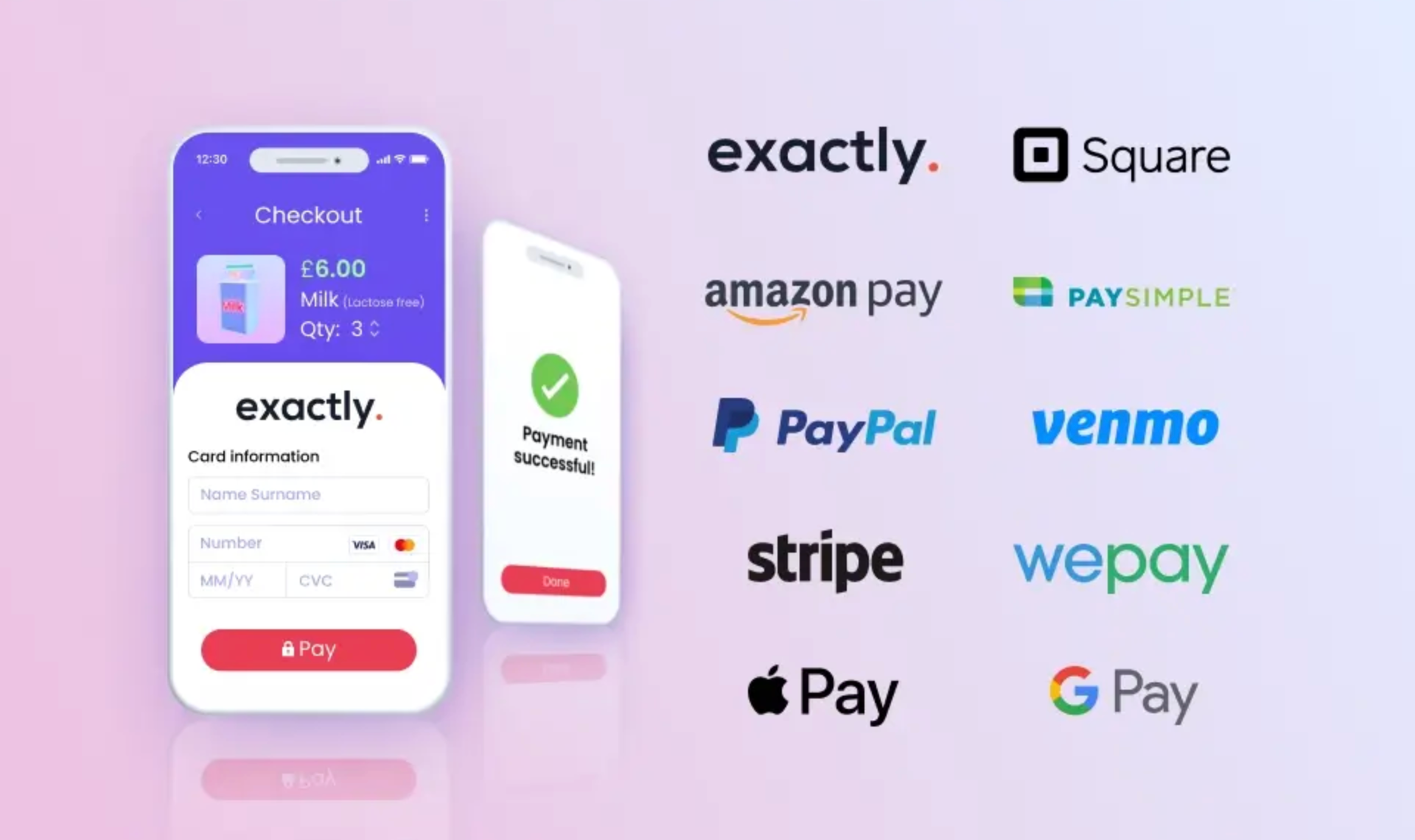
Typing card details on a phone is inconvenient and time-consuming. Many users prefer payment methods that require minimal input and offer faster checkout. If preferred options are unavailable, shoppers may abandon their carts instead of switching methods. Payment flexibility plays a key role in mobile conversion rates.
To prevent drop-offs, offering mobile-optimized payment options simplifies the final step.
Too many links, banners, or pop-ups can pull attention away from completing the purchase. On mobile devices, limited screen space amplifies the impact of distractions. Users may feel overwhelmed or unsure of the next step. This confusion often leads to abandonment.
For better focus, a streamlined checkout keeps users moving forward.
Not all cart abandonment is intentional, especially on mobile. Users are often interrupted by calls, messages, or app switching. Without reminders, they may forget to return and complete their purchase. Mobile-optimized recovery tactics help re-engage these users effectively.
As a result, smart follow-up strategies can recover lost revenue.
Reducing mobile cart abandonment requires a thoughtful, user-first approach. By simplifying checkout, improving usability, and reinforcing trust, ecommerce brands can remove key barriers to conversion. When mobile shoppers feel confident and supported, they are far more likely to complete their purchases.