 New to Shopify? Free trial, then $1/month for your first 3 months. Start free trial →
 Where is your store?
Ryviu works with both – pick yours to continue.









A great product description does more than explain what a product is, but it convinces shoppers why they need it. Many ecommerce stores lose sales not because of pricing or traffic, but because their product descriptions fail to guide users toward a confident purchase decision. By structuring your product descriptions strategically, you can improve clarity, build trust, and significantly increase conversions.
This guide breaks down how to structure product descriptions step by step, with a strong focus on user behavior, readability, and persuasive flow.
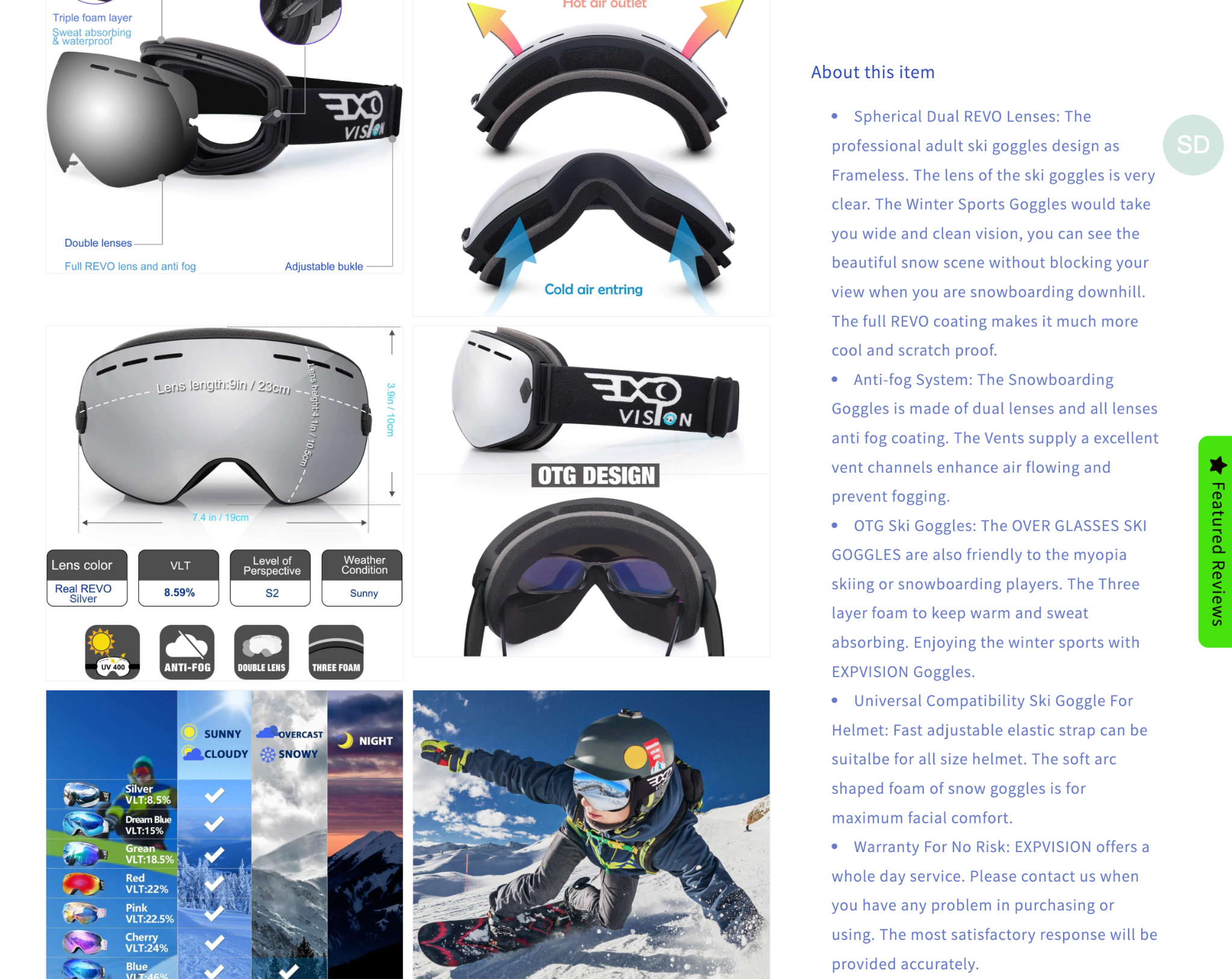
Product descriptions influence how quickly shoppers understand your offer and decide whether to buy. When information is presented without structure, users feel overwhelmed and often leave the page without taking action. A well-organized description guides readers through benefits, details, and reassurance in a logical flow. This clarity reduces hesitation and builds confidence throughout the buying journey.
To move from awareness to engagement, your structure must match how users scan and process information online.
Key reasons structure impacts conversions:
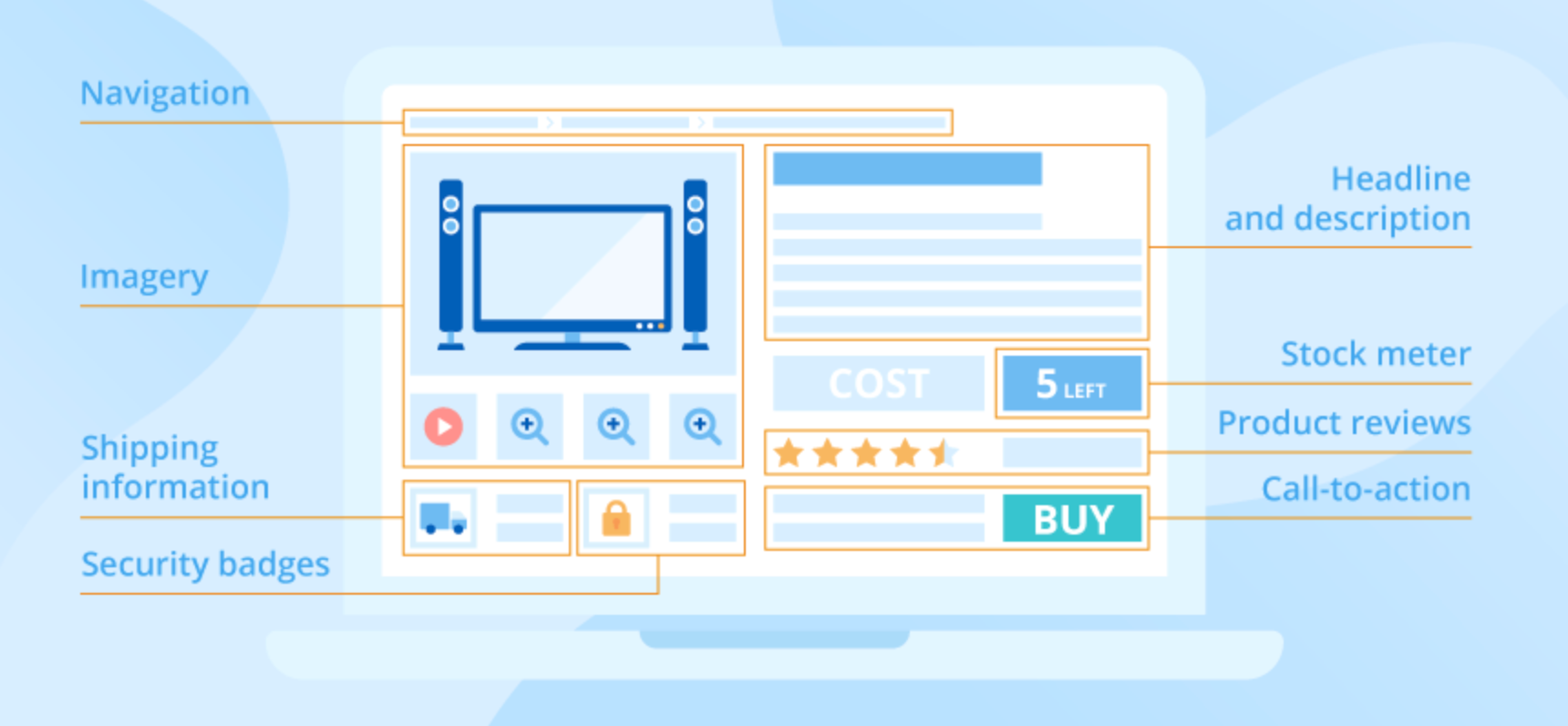
The headline is the first line shoppers read, and it sets expectations instantly. Instead of repeating the product name, a benefit-driven headline focuses on the main outcome the customer will experience. This approach makes the value of the product immediately clear and relevant. When users see a benefit they care about, they’re more likely to keep reading.
From this strong opening, you can naturally guide readers into more detailed explanations.
What an effective headline should do:
The overview paragraph provides context after the headline captures attention. It explains what the product is, who it’s for, and how it fits into the customer’s daily life. This short explanation reassures users that they’re in the right place. It also prevents confusion before introducing more detailed information.
Once users understand the product at a glance, they’re ready to explore its features.
A strong overview paragraph should:
After the overview, shoppers want quick access to specific details. Bullet points make it easy to scan features without reading large blocks of text. Each feature should explain practical value, not just list technical specs. This format supports fast decision-making, especially for comparison shoppers.
With the features clearly outlined, you can now expand on how they benefit the customer.
Best practices for feature bullet points:
While bullet points are efficient, many shoppers need deeper explanations to feel confident. This section connects features to real-life outcomes and everyday use. By describing how the product solves problems or improves routines, you help users visualize ownership. This emotional connection strengthens purchase intent.
Now that users understand the benefits, it’s important to remove any remaining doubts.
Effective benefit-focused explanations:
Unanswered questions are a major cause of abandoned purchases. Shoppers often worry about fit, durability, compatibility, or maintenance before buying. Addressing these concerns directly builds trust and reduces hesitation. It also shows that your brand understands customer needs.
By resolving objections early, you smooth the path toward a confident purchase decision.
Common objections to address include:
Even interested buyers look for reassurance before committing. Social proof shows that other customers have already chosen and benefited from the product. This validation reduces perceived risk and increases credibility. When used subtly, it strengthens trust without feeling promotional.
With trust established, users are more prepared to take action.
Effective social proof elements include:
The final section should remind shoppers why the product is a smart choice. Summarizing the main benefit reinforces confidence and clarity. This closing reassures users that they’ve considered everything they need to know. It gently nudges them toward the next step without pressure.
From here, the call-to-action feels like a natural conclusion.
A strong closing should:
Many users browse product pages on mobile devices, where readability matters even more. Long paragraphs and dense text can quickly discourage engagement. Clear sections, short sentences, and bullet points improve usability on small screens. A mobile-friendly structure ensures information is easy to find and absorb.
When your content is easy to scan on any device, conversions naturally improve.
Mobile optimization tips:
Structuring product descriptions for better conversions is about writing smarter. By guiding users through a logical flow, from benefits to details to reassurance, you reduce friction and build confidence at every step.
When your product descriptions are clear, scannable, and customer-focused, they become powerful sales tools rather than just blocks of text. Over time, this thoughtful structure can lead to higher engagement, lower bounce rates, and more consistent conversions across your store.




