New to Shopify? Free trial, then $1/month for your first 3 months. Start free trial →
 Where is your store?
Ryviu works with both – pick yours to continue.








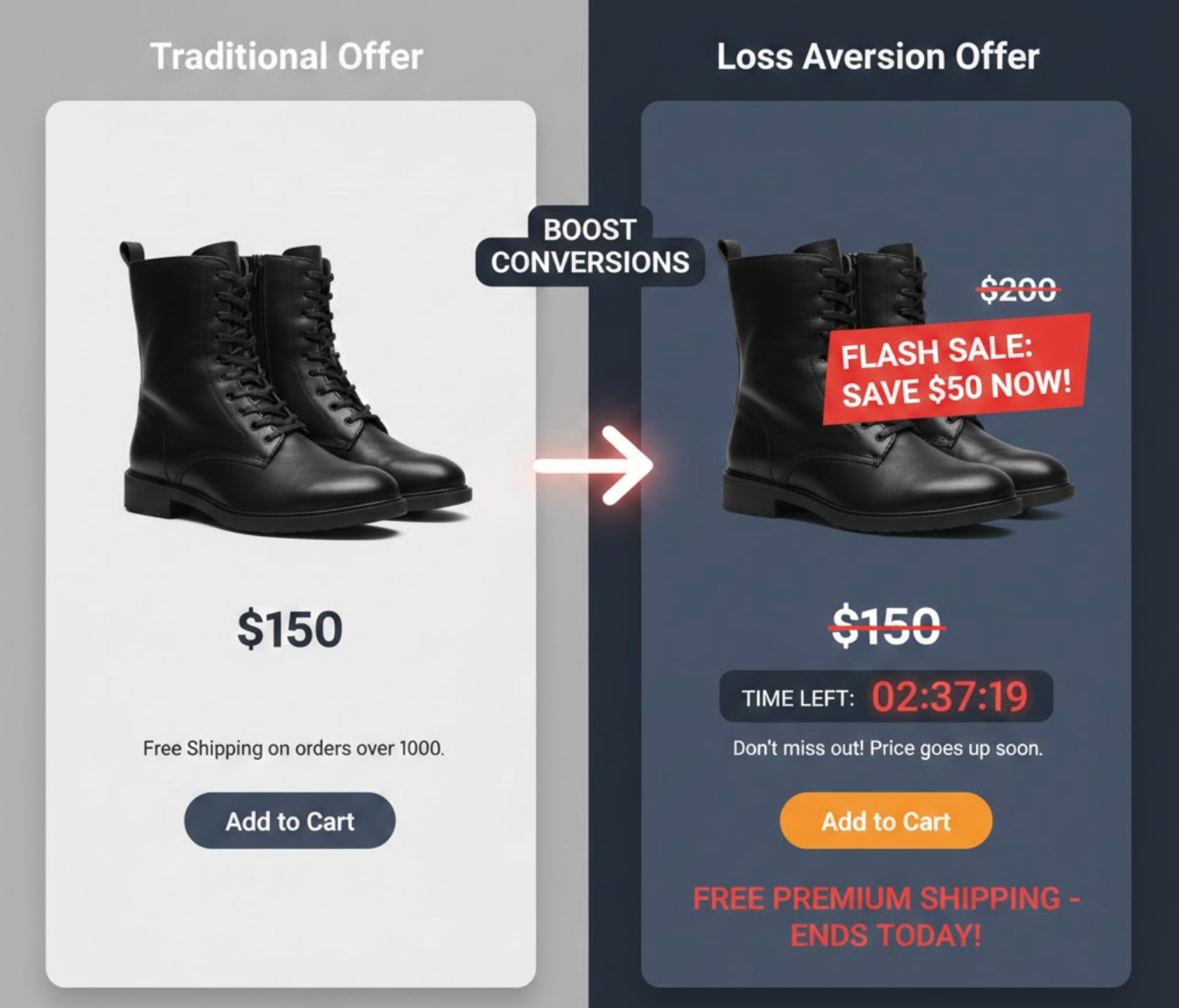
Loss aversion is one of the most powerful psychological principles shaping how people make buying decisions. Simply put, shoppers are far more motivated to avoid losing something than they are to gain something of equal value. In eCommerce, this instinct shows up everywhere, from hesitation at checkout to anxiety about choosing the wrong product.
When used thoughtfully, loss aversion helps reduce hesitation, speeds up decision-making, and increases conversions without relying on aggressive sales tactics. Instead of pushing users to buy, it reframes inaction as a potential loss, helping shoppers feel more confident about moving forward. This article explores how loss aversion works in eCommerce and how to apply it effectively across product pages, promotions, and checkout flows.
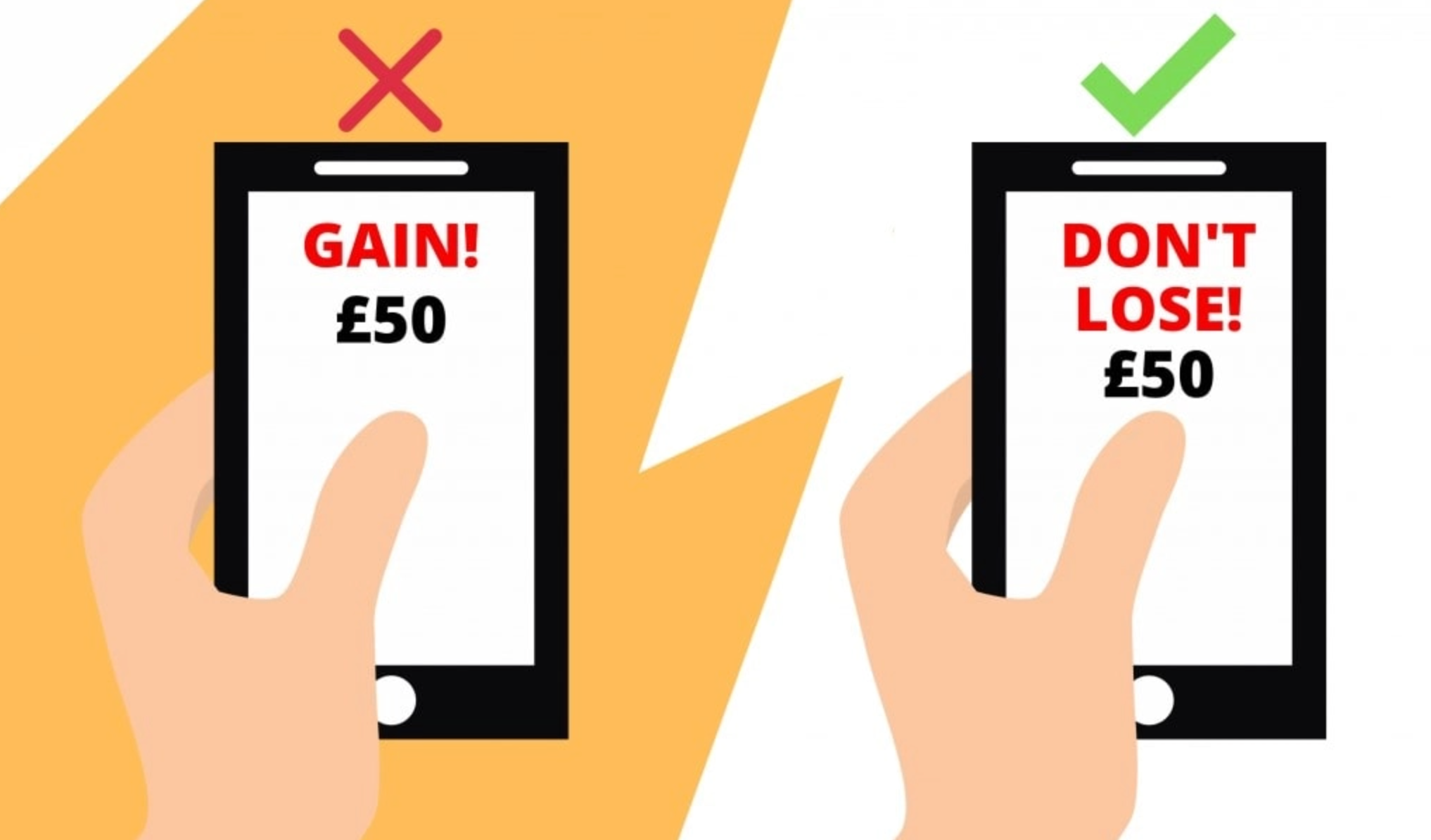
Loss aversion is a behavioral economics principle that explains why people feel losses more intensely than gains. Losing $50 feels more painful than the satisfaction of gaining $50, even though the value is the same. In eCommerce, this bias influences how customers evaluate risk, pricing, and urgency.
Online shopping naturally increases uncertainty. Customers cannot physically interact with products, and they often worry about fit, quality, or value. Loss aversion amplifies these concerns and makes shoppers sensitive to what they might lose, money, time, discounts, or availability, if they make the wrong decision or delay too long.
Instead of focusing only on benefits, effective eCommerce experiences also address these perceived losses and gently guide users toward action.
Loss aversion works especially well in eCommerce because digital environments encourage comparison and delay. Shoppers often open multiple tabs, wait for better deals, or postpone decisions altogether. This behavior creates a perfect opportunity to frame inaction as a loss.
In addition, eCommerce transactions involve risk. Customers worry about wasting money, dealing with returns, or regretting their purchase later. Loss-based messaging speaks directly to these fears and helps users resolve internal conflict.
By highlighting what could be lost, rather than just what could be gained, brands can reduce indecision and help shoppers commit with more confidence.
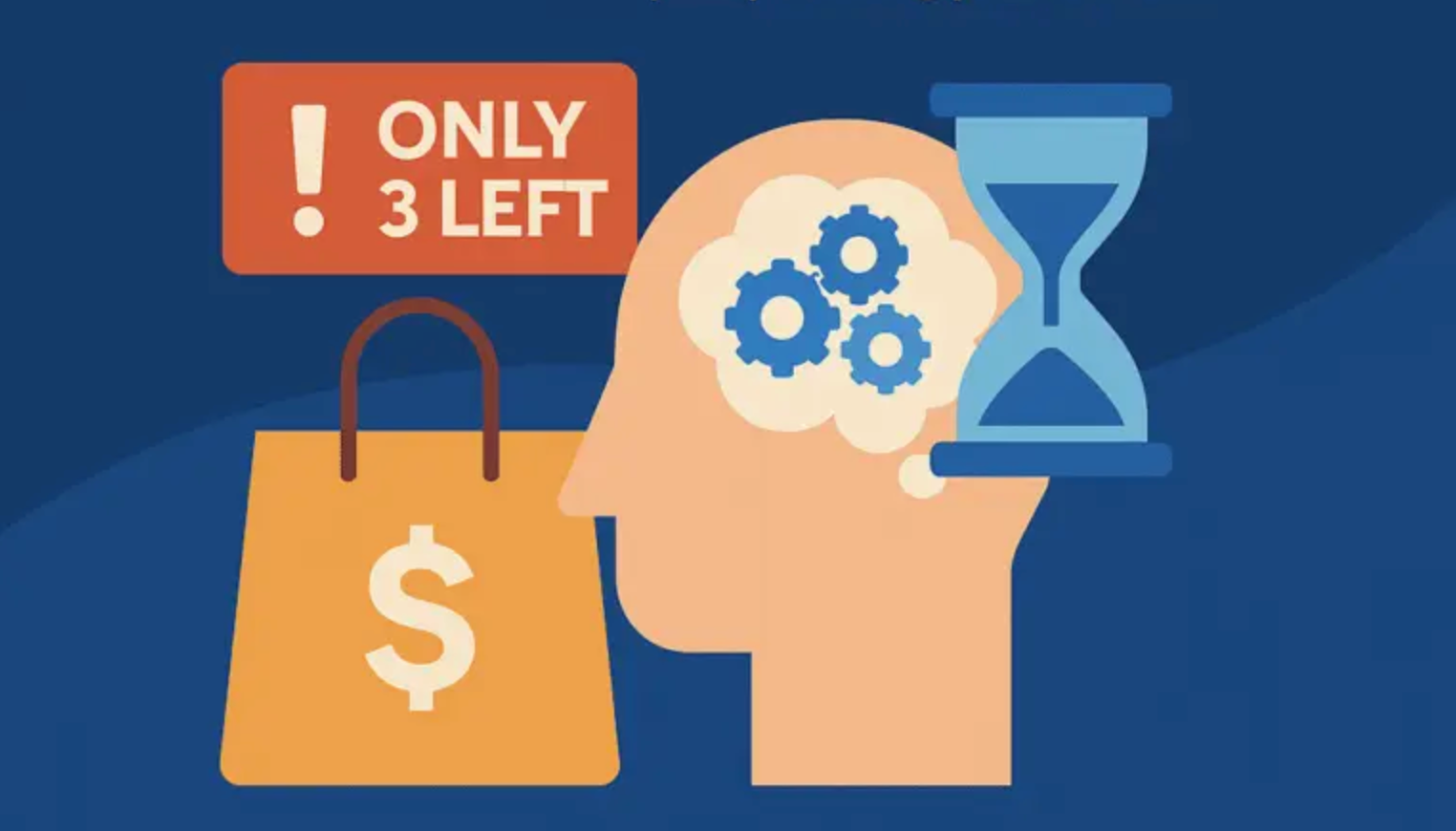
Scarcity is one of the most recognizable ways loss aversion shows up in eCommerce. When something appears limited, shoppers instinctively fear missing out, which pushes them to act sooner rather than later.
Instead of merely stating that a product is popular, effective scarcity messaging helps customers understand what they stand to lose if they wait too long. This reframes hesitation as a risk rather than a safe choice.
To make scarcity feel natural and trustworthy, eCommerce brands should focus on signals that reflect real availability and demand:
When scarcity is used honestly, it creates urgency while still respecting the customer’s decision-making process.
Discounts are often framed as gains, but they can be even more persuasive when framed as something the shopper risks losing. Loss aversion shifts the focus from saving money to avoiding regret.
By emphasizing the temporary nature of an offer, brands can turn passive interest into immediate action. This approach works particularly well for shoppers who are already considering a purchase but haven’t fully committed.
Effective loss-framed discount messaging often includes subtle reminders that the opportunity won’t last forever:
These tactics encourage quicker decisions without needing to increase the discount itself.
While loss aversion can drive urgency, it can also increase fear, especially fear of making a bad purchase. Shoppers worry about losing money, dealing with returns, or being stuck with a product they don’t like. This is where guarantees play a critical role.
Clear guarantees help neutralize perceived risk by reassuring customers that they won’t suffer a loss if things don’t work out. When users feel protected, they are more comfortable moving forward.
Well-placed reassurance elements help shoppers feel safe enough to complete their purchase:
Rather than pushing urgency, these elements work by removing fear, which indirectly supports conversion.

Cart abandonment often happens because shoppers hesitate, not because they’ve decided against the product. Loss aversion can be used to bring these users back by reminding them what they’re leaving behind.
Instead of generic “You left something in your cart” messages, effective recovery strategies emphasize the specific benefits or conditions the shopper may lose if they don’t return.
High-impact cart recovery messages typically focus on tangible and personal losses:
This reframing helps shoppers see abandonment as a loss, not a neutral choice.
Social proof naturally complements loss aversion by showing shoppers what others are already gaining. When users see evidence of popularity or satisfaction, they may feel they’re missing out by not participating.
Rather than simply displaying numbers, effective social proof subtly suggests that waiting could mean losing the chance to benefit like others already have.
Ways to combine social proof with loss aversion in a natural way include:
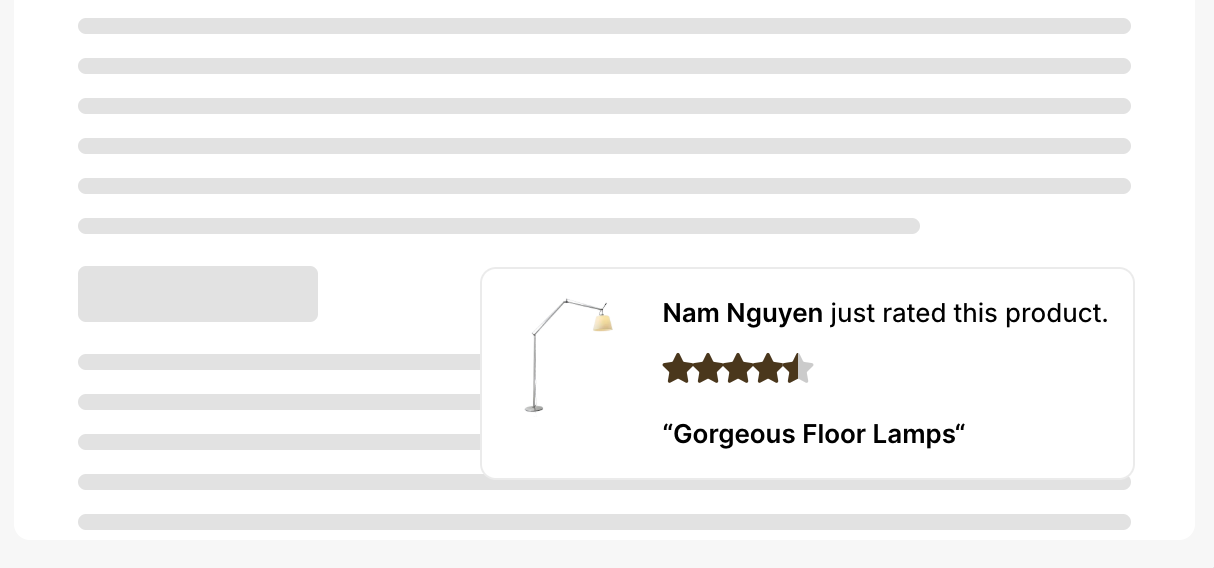
This approach creates gentle pressure without relying on fear-based language.
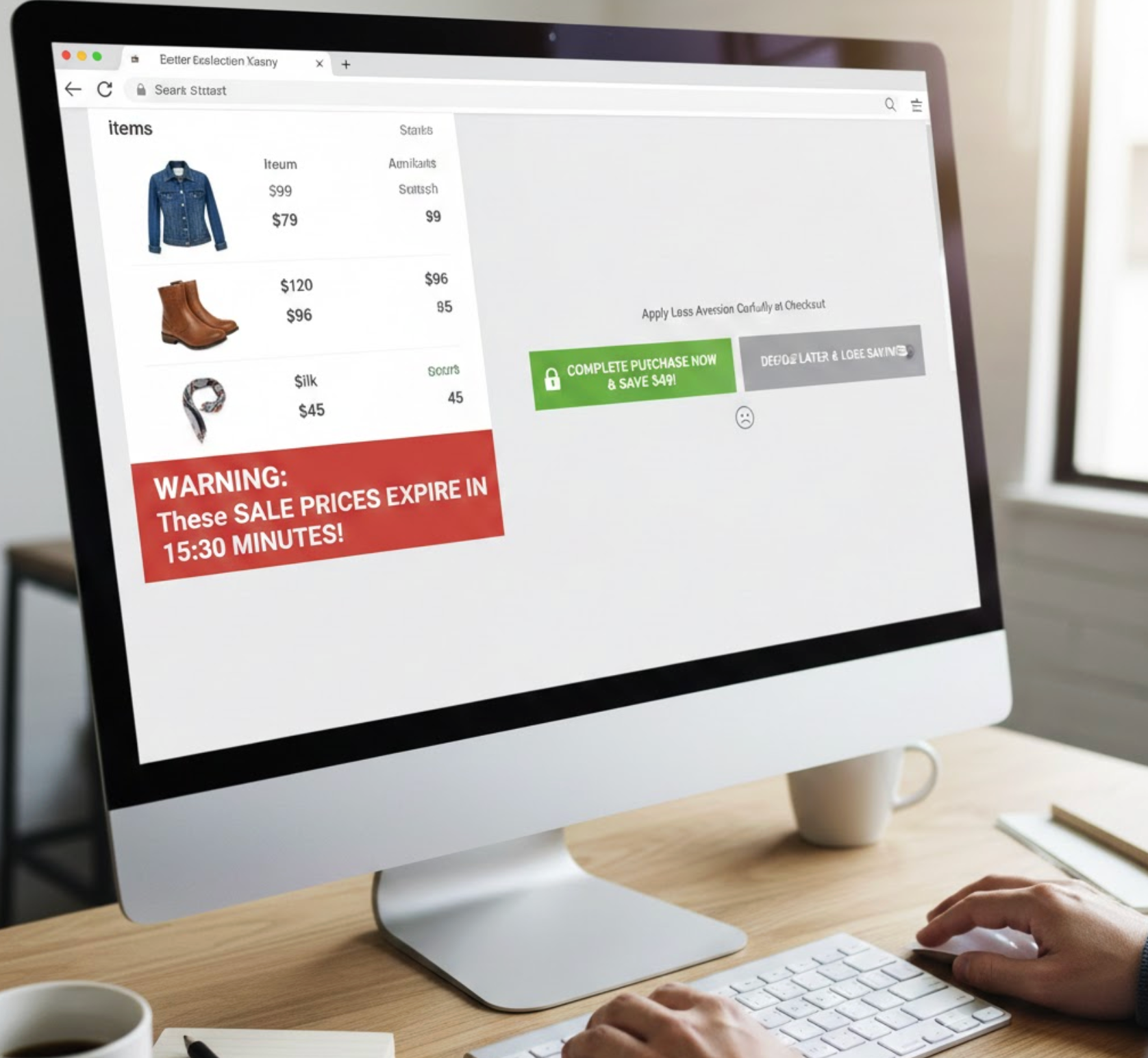
Checkout is a sensitive stage where shoppers are close to converting but also highly aware of risk. At this point, loss aversion should be used to reassure and guide, not to intimidate.
Well-designed checkout messaging helps users feel that abandoning now would waste effort, while completing the purchase is safe and sensible.
Subtle loss-focused cues at checkout can support completion without increasing stress:
The goal is to support confidence, not force urgency.
Loss aversion can be highly effective, but when applied carelessly, it often creates more problems than results. Shoppers are quick to sense when urgency feels artificial, and once that happens, confidence in the brand drops sharply. Instead of motivating action, poorly executed loss-based tactics can increase skepticism and hesitation.
Because of this, loss aversion should always be implemented with clarity and respect for the customer’s decision-making process. To avoid damaging trust, eCommerce teams need to watch out for several common mistakes:
Ethical and transparent use of loss aversion helps create urgency without sacrificing honesty, allowing brands to build sustainable growth and long-term customer loyalty.
Loss aversion works because it reflects how people naturally evaluate risk and reward, especially in uncertain environments like online shopping. When applied thoughtfully, it helps shoppers move past hesitation and make decisions they feel good about.
By clearly showing what customers might lose, while also minimizing real risk through guarantees and transparency, brands can create eCommerce experiences that feel both persuasive and supportive.
When done right, loss aversion doesn’t pressure users into buying. It helps them avoid regret and feel confident that clicking “Buy Now” is the right choice.