New to Shopify? Free trial, then $1/month for your first 3 months. Start free trial →
 Where is your store?
Ryviu works with both – pick yours to continue.







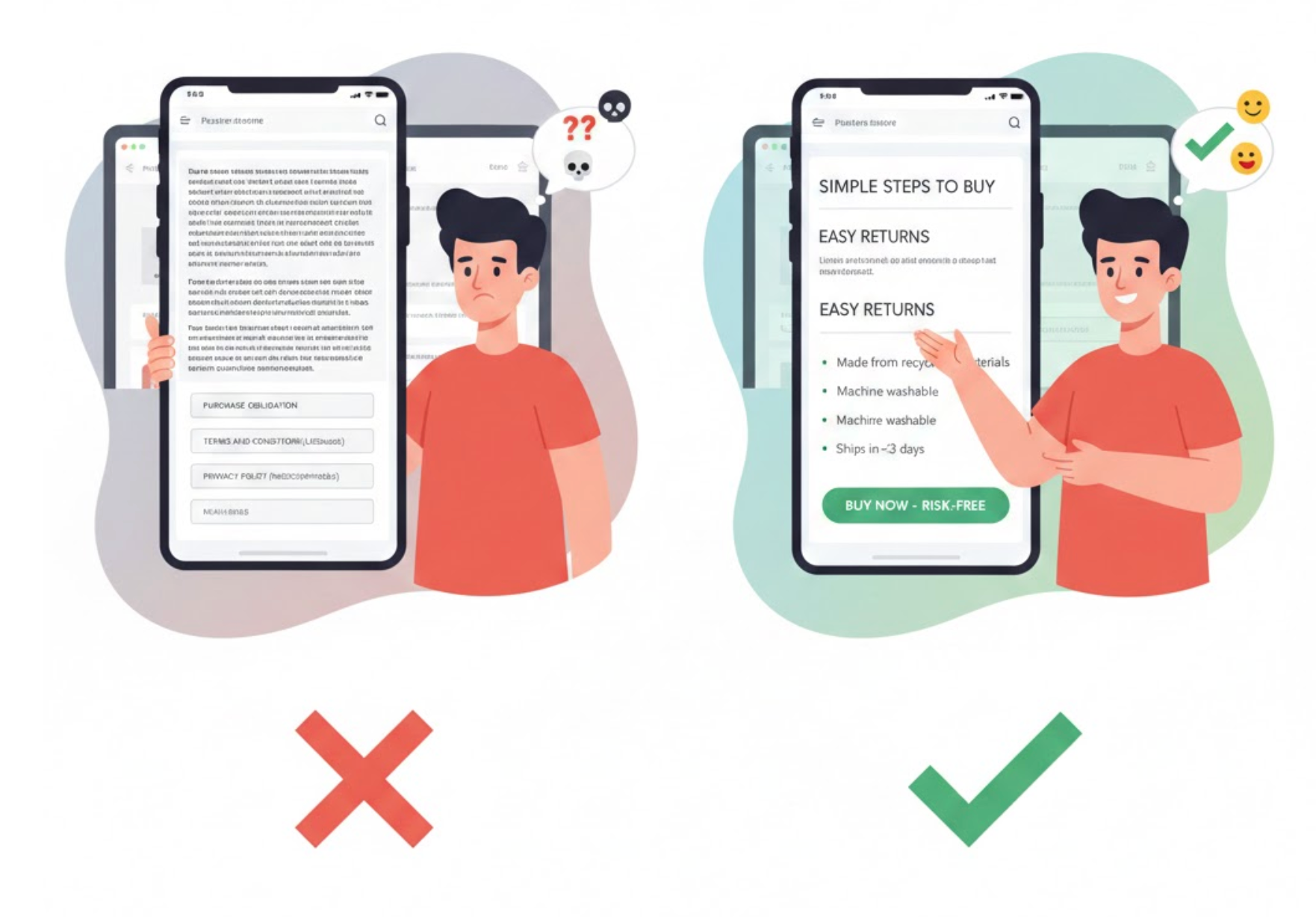
Trust is one of the most valuable assets in digital experiences, yet it is also one of the easiest to lose. Visitors decide whether to trust a brand within seconds, often before they read beyond the first few lines of copy. When language feels complicated, vague, or overly promotional, users become cautious and disengaged. Plain language removes this friction by making communication feel honest, accessible, and human.
Plain language does not mean oversimplifying ideas or dumbing down content. Instead, it focuses on clarity, relevance, and transparency, ensuring that users understand what you offer, how it helps them, and what to expect next. When people understand something easily, they feel more confident, and confidence is the foundation of trust.
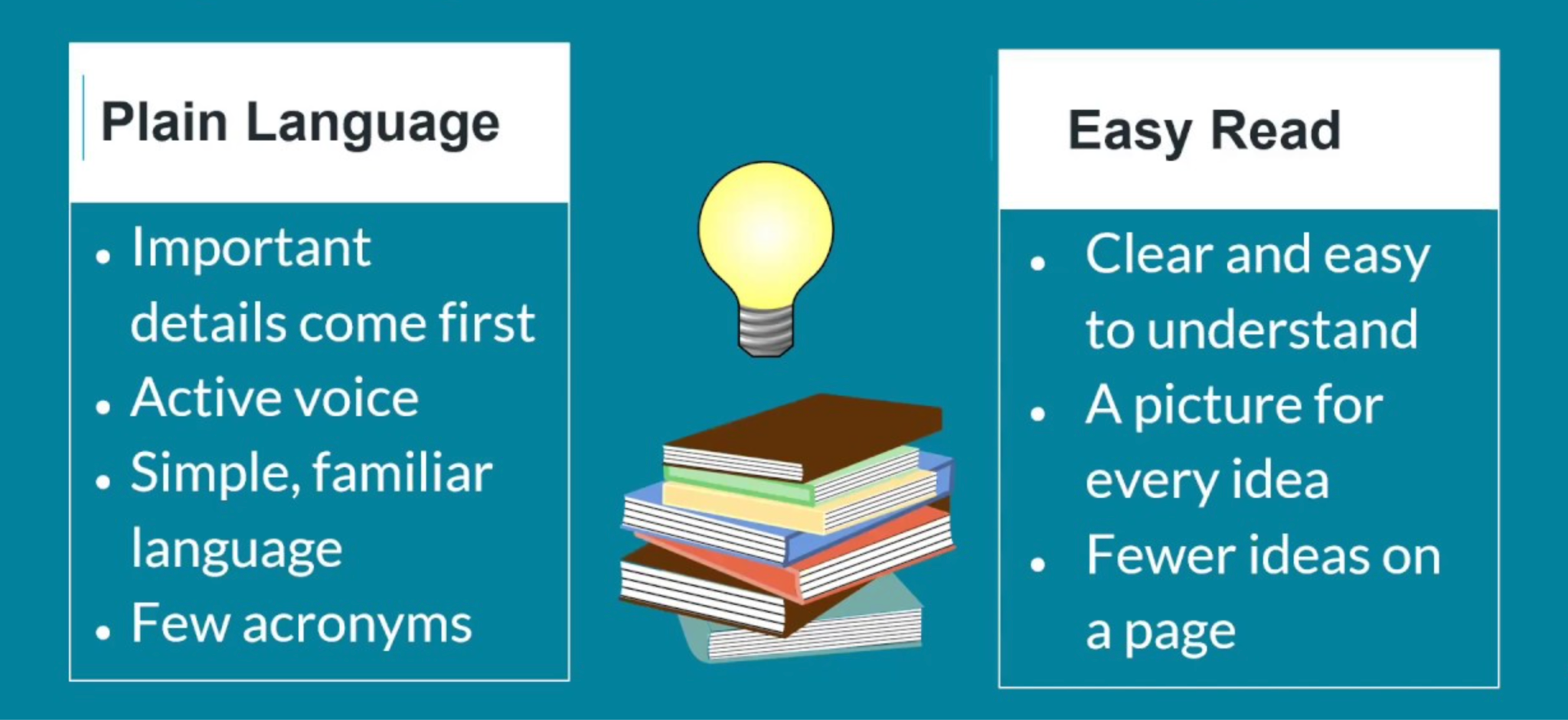
Plain language is writing that allows users to understand information the first time they read it. It prioritizes clarity over cleverness and usefulness over persuasion. This approach respects users’ time and cognitive effort, which naturally builds trust.
Rather than showcasing expertise through complex wording, plain language demonstrates competence by making things easy. It signals that your brand values transparency and wants to help, not confuse or impress. As a result, users feel safer engaging, exploring, and converting.
Plain language works because it aligns with how people read online, scanning quickly and looking for meaning rather than style.
Many brands believe sophisticated language signals professionalism. In reality, it often does the opposite. Complex language creates uncertainty, and uncertainty makes users defensive. When people are unsure, they hesitate to take action.
Jargon, buzzwords, and inflated claims raise red flags because they force users to interpret meaning instead of receiving it clearly. This interpretation gap creates doubt about intent and credibility. The harder users have to work to understand you, the less they trust you.
Reducing complexity removes suspicion and replaces it with confidence.

The area above the fold is where trust is either built or lost almost instantly. Users should understand who you are, what you offer, and why it matters within seconds. Plain language ensures that this critical information is received clearly.
This section should answer key questions without forcing users to scroll or think too hard. When messaging is simple and direct, users feel oriented and safe to continue exploring.
Clarity at the top of the page sets the tone for the entire experience.
Vague claims sound impressive but rarely build trust. Phrases like “best in class” or “powerful solution” do not explain value, leaving users to fill in the gaps themselves. Plain language replaces ambiguity with clarity.
When you explain benefits in specific, tangible terms, users can visualize outcomes. This visualization creates confidence because expectations feel grounded and realistic.
Specificity shows honesty and accountability.
Trust grows when language feels human. Writing that mirrors natural speech sounds more authentic and less scripted. Users are more likely to trust brands that communicate like people rather than corporations.
Conversational language creates emotional closeness while maintaining professionalism. It reassures users that there are real people behind the product who understand their needs.
Human language makes digital experiences feel safer and more relatable.
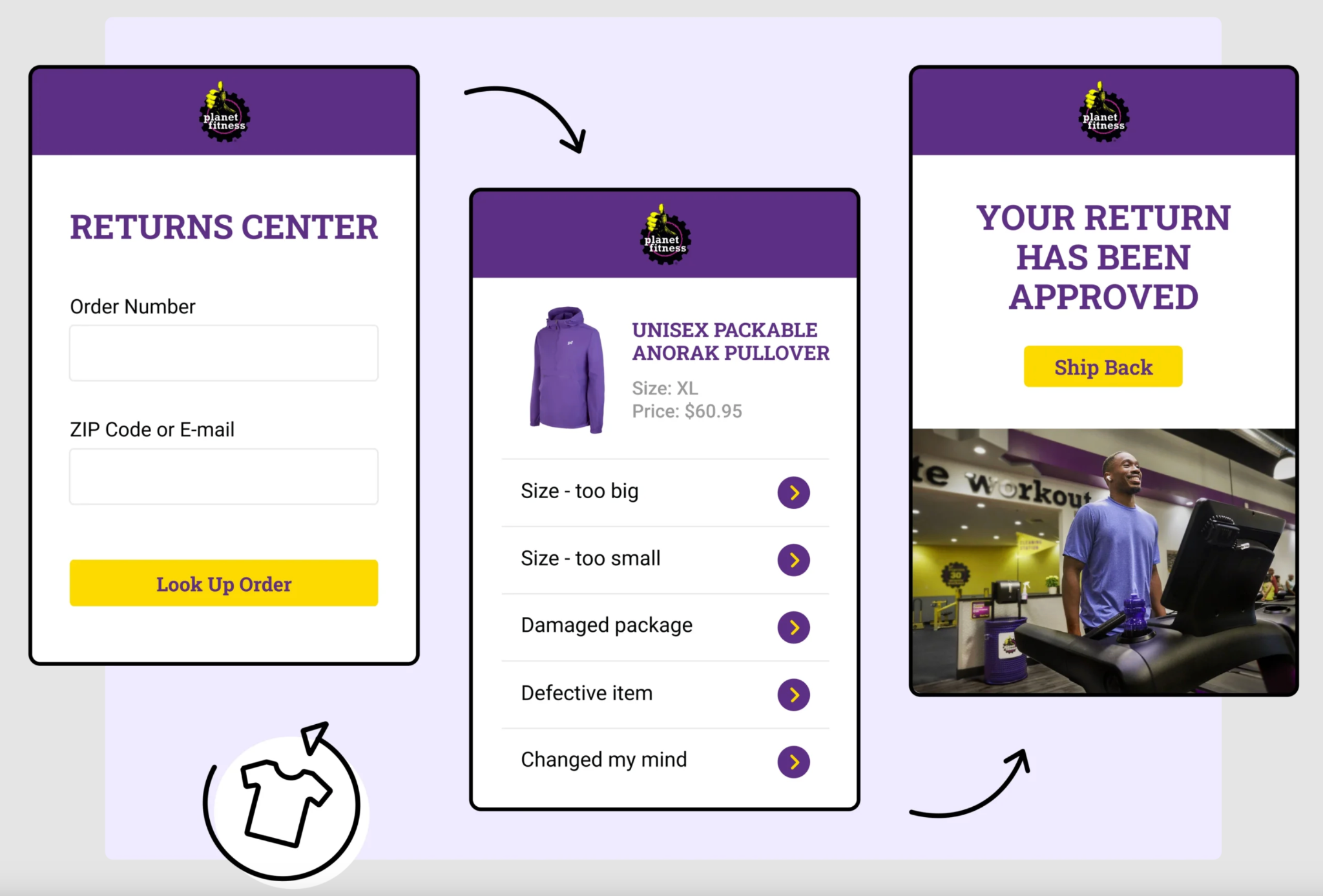
Trust is often tested when users encounter instructions, pricing details, or return policies. If these sections feel confusing or intentionally complex, users assume risk. Plain language removes fear by making expectations explicit.
Clear explanations reduce uncertainty and prevent unpleasant surprises. When users know what will happen, they feel more in control and more willing to proceed.
Transparency is a powerful trust signal.
Plain language is not a one-time effort. It requires continuous refinement based on how real users read and respond to your content. Testing helps identify where confusion still exists.
When brands actively improve clarity, users sense care and responsibility. This ongoing effort strengthens trust over time.
Clarity should always be measured by understanding, not intention.
Plain language builds trust by removing uncertainty, reducing effort, and showing respect for users’ time and understanding. When communication is clear, users feel confident, informed, and safe to engage. This confidence leads directly to higher trust, stronger relationships, and better conversions.
In a digital world full of exaggerated claims and complex messaging, simplicity stands out. By choosing clarity over cleverness and honesty over hype, brands create experiences that users believe in. Plain language is not just good writing, it is a trust-building strategy that turns understanding into action.