New to Shopify? Free trial, then $1/month for your first 3 months. Start free trial →
 Where is your store?
Ryviu works with both – pick yours to continue.








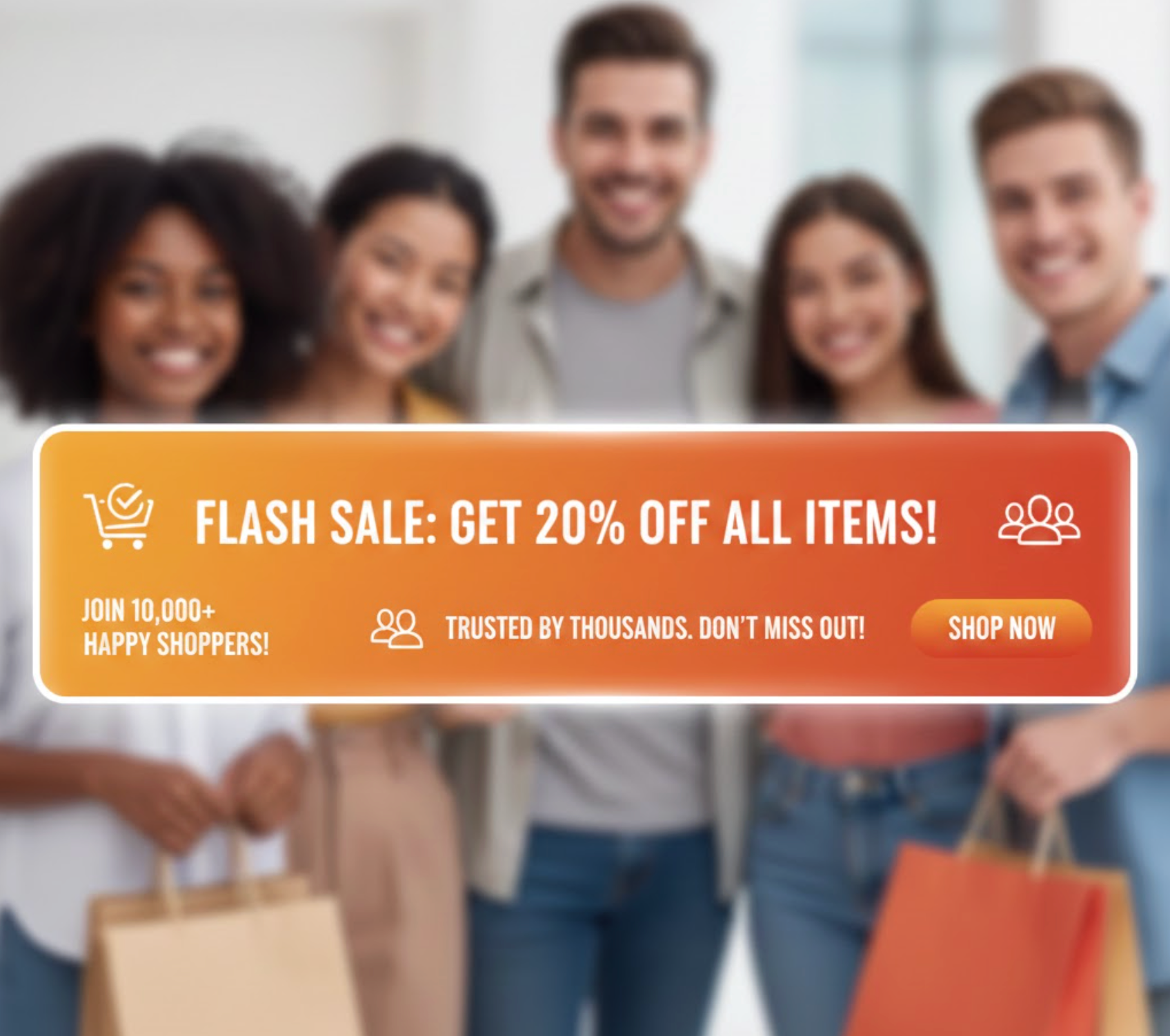
Discount bars are simple yet powerful conversion tools that help highlight promotions, guide user attention, and motivate shoppers to take immediate action. When you enhance these bars with social proof, you amplify their effectiveness by showing visitors that other customers are actively engaging with your store or the current offer. This combined effect builds trust, reduces hesitation, and significantly increases urgency. In this article, I will guide you how to use social proof in discount bars to boost urgency.
Before diving into tactics, it's important to understand why social proof influences shopper behavior, especially when combined with discount bars. Social proof leverages the psychological principle that people tend to follow the actions of others, particularly when they are unsure or when multiple choices exist. Online shopping is filled with uncertainty: Is this product good? Is this discount worth it? Are other people buying this? By integrating social proof into a highly visible discount bar, you provide immediate reassurance at a moment when customers are evaluating their next step.
This reassurance works hand-in-hand with urgency. While the discount bar tells customers that an offer is limited or time-sensitive, the social proof message strengthens the emotional pressure by showing that many others are already taking advantage of it. When shoppers see that “28 people used this code today,” they feel a subtle fear of missing out (FOMO), which pushes them to act sooner rather than later. This combination of credibility, popularity, and time pressure creates a more compelling reason to convert.
Different forms of social proof can be embedded into discount bars depending on your brand, traffic volume, and the type of promotion you’re running. Below are the most effective forms, along with expanded explanations and transition sentences to help you decide which one suits your store.
Real-time activity messages show shoppers what others are doing at that very moment or within a recent timeframe. These can display actions such as:
These messages are powerful because they create a sense of movement and energy in your store. Shoppers can instantly see that others are actively responding to the promotion, which makes the offer feel more legitimate and appealing. The moment customers sense that a deal is popular, the urgency to join in naturally increases. This tactic is especially effective on high-traffic stores or during peak shopping seasons, where real-time action is frequent and genuine.
Visitor count notifications highlight how many people are viewing the store or the offer at the same time. Examples include:
This form of social proof focuses on showing interest rather than action. It reassures customers that your store is busy and that they are not shopping alone. When many visitors are exploring the same offer, shoppers interpret it as a sign of popularity and competitiveness. As a result, they may feel compelled to make a decision quickly before the offer becomes unavailable or before others beat them to similar products. This is extremely useful when you want to generate urgency without making direct purchase claims.
Stock indicators or redemption counts combine social proof with scarcity. Examples include:
These messages reinforce urgency by showing that the discount is not only time-sensitive but also limited in quantity. When you mention how many codes have already been redeemed, visitors can clearly see that other shoppers are actively taking advantage of the promotion and that the remaining quantity is shrinking. This dual effect is highly motivating and often leads to a faster decision-making process. It’s particularly effective for flash sales, seasonal promotions, or exclusive member-only deals.
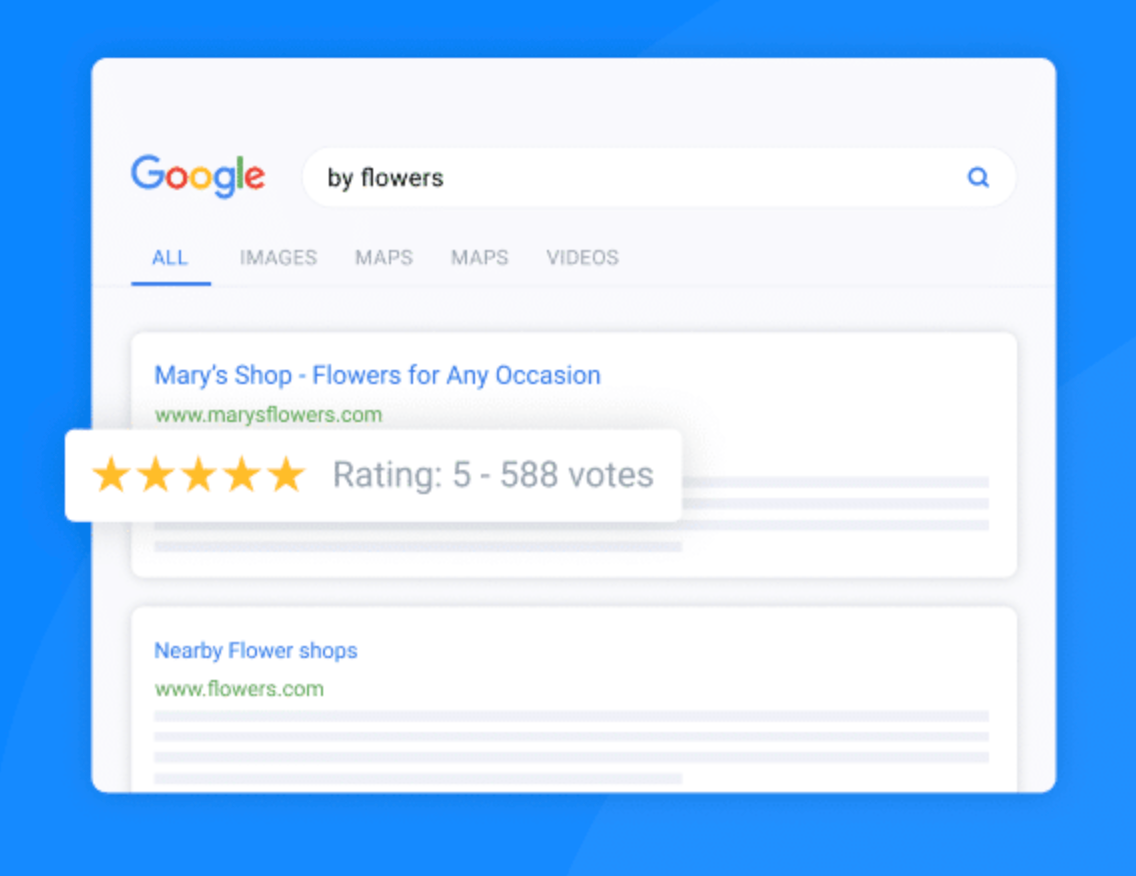
Short review snippets or rating indicators add trust and credibility to your discount bar, especially when promoting a specific product or collection. Examples include:
Review-based social proof helps remove doubt, especially for first-time visitors. When paired with a discount, it communicates: This product is popular, well-loved, and now available at a better price—don’t miss out. This approach is excellent for stores that want to highlight quality or reputation while also encouraging quick action.
Adding social proof to your discount bars is not simply about inserting numbers or claims. It requires thoughtful implementation to ensure authenticity, clarity, and consistency. Below is a more detailed explanation of how to use these elements effectively.
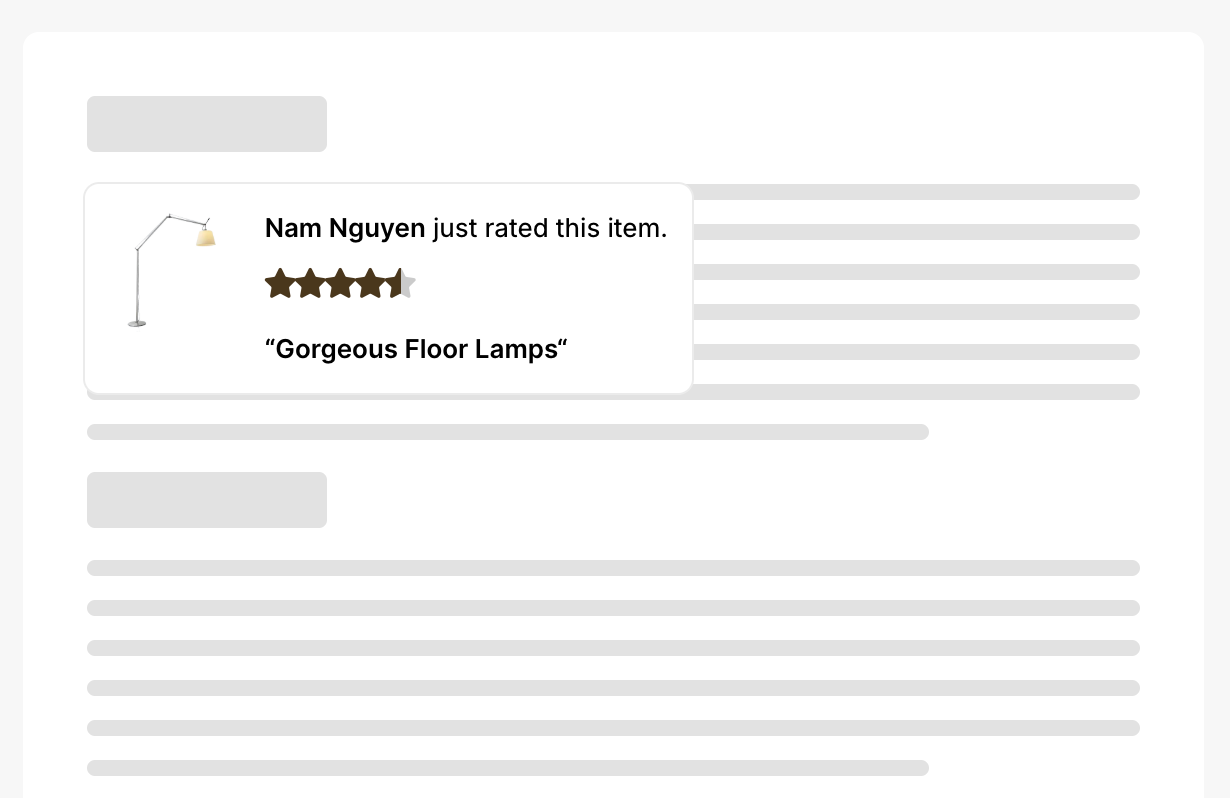
The foundation of effective social proof is accuracy. When your messages reflect real customer actions or real visitor activity, shoppers feel they can trust your store. On the other hand, repetitive or exaggerated numbers make customers skeptical. This means you should rely on:
Using real-time or nearly real-time information creates a sense of transparency. It signals to shoppers that your store operates honestly and that your promotions are genuinely popular. This trust naturally increases urgency because customers know they’re responding to authentic, not manufactured, signals.
Even though social proof adds more context to your discount bar, you must remember that most shoppers only glance at the bar for a second. This means your message needs to be short, direct, and impactful. Phrases such as:
are easy to read at a glance. Combining short social proof messages with clean visuals and a clear call-to-action ensures customers understand the offer quickly and feel motivated to act. Simplicity is key, but simplicity should not come at the expense of clarity or emotional pull.
To fully capitalize on the urgency you’ve created, your discount bar must guide shoppers toward the next action. Whether it's copying a discount code, clicking a button, or checking out, the social proof message should support an actionable step. For example:
“Only 20 codes left today! Use SAVE10 before they’re gone.”
This structure connects the urgency (“20 codes left”) with the required action (“Use SAVE10”), making it easy for the shopper to respond immediately. When customers don’t have to think about what to do next, the conversion process feels smooth and frictionless.
While social proof is highly effective, using too much of it—or using it too aggressively—can overwhelm shoppers and reduce credibility. For instance, having multiple notifications pop up too frequently might feel spammy. The key is balance. Choose:
By using social proof strategically rather than excessively, you maintain trust and avoid creating unnecessary pressure. A well-balanced approach feels natural and persuasive, not manipulative.
Below are expanded examples to illustrate how you can craft high-converting discount bars that feel smooth, engaging, and natural.
“🔥 This deal is trending! 47 shoppers used SUMMER20 today—Grab yours before midnight to enjoy the same savings.”
“⏳ Hurry! Only 12 discounted codes left. Join 280 customers who have already claimed this offer today.”
“🛒 Someone just purchased using this discount! Use NEW10 now to enjoy the same deal while it’s still available.”
“⭐ Our customers love this! Rated 4.8/5 by 3,000+ shoppers. Get 10% off with code LOVE10 today.”
These examples work well because they combine emotion, credibility, and direction in one smooth, compact message.
To ensure your social-proof discount bars deliver long-lasting results, follow these expanded best practices.
Different audiences respond to social proof differently. Some react strongly to visitor counts, while others are more influenced by purchase notifications or redemption limits. By running A/B tests, you can gradually identify which style resonates best with your shoppers. For example, you may discover that purchase-based social proof works better on product pages, while visitor-count notifications are more effective on collection pages. Testing helps you refine your strategy and ensure consistent long-term improvement.
Your discount bar should feel like an organic extension of your brand voice—not something that was suddenly added without thought. For instance, a youthful streetwear brand might use energetic, playful messaging, while a skincare or wellness brand may prefer calm, reassuring language. Consistency helps maintain professionalism and strengthens customer trust. When social proof aligns with your brand personality, the message feels more authentic and persuasive.
During big shopping events like Black Friday, Cyber Monday, and seasonal holidays, customer activity increases dramatically. This is the perfect time to refresh your social-proof messages to highlight the surge in activity. Statements like:
feel much more believable during busy seasons and tap into shoppers’ natural desire to secure the best deals before they disappear. Regular updates ensure your discount bar stays relevant and continues to feel dynamic.
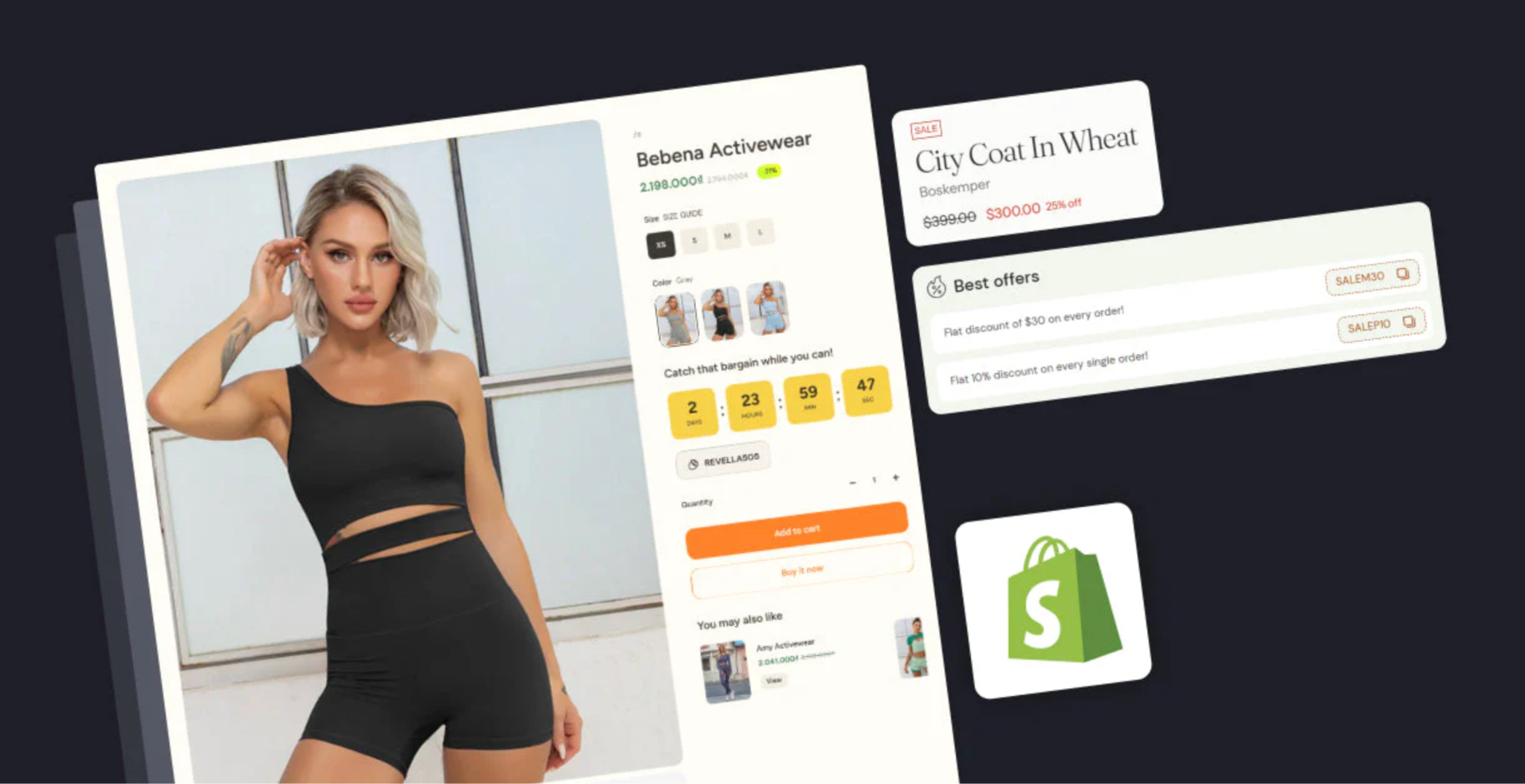
Although the message inside your discount bar matters, visibility is just as important. If shoppers only see the discount bar on the homepage, they may forget about the offer as they browse. By displaying the bar across:
you reinforce the message at every step. This gentle repetition keeps urgency alive and increases the likelihood that shoppers will act on the offer before checking out.
When used smartly, social proof transforms a regular discount bar into a persuasive sales driver. By showcasing real-time activity, highlighting popularity, or emphasizing scarcity, you guide customers toward fast and confident decisions. The key is combining trust, clarity, and urgency in a way that feels natural and honest. With the right balance, your discount bar can become one of the most impactful conversion tools on your entire Shopify store.