New to Shopify? Free trial, then $1/month for your first 3 months. Start free trial →
 Where is your store?
Ryviu works with both – pick yours to continue.








In today’s fast-moving digital landscape, customers no longer follow a predictable, linear buying journey. Instead, they make rapid decisions in short bursts, often while on the go, multitasking, or seeking immediate answers. These high-intent touchpoints, known as micro-moments, are fundamentally reshaping how modern eCommerce brands approach marketing. When leveraged correctly, micro-moment marketing allows brands to influence purchasing decisions at the exact instant customers are ready to act, rather than waiting for a more traditional, prolonged sales cycle.
As competition intensifies and attention spans shrink, understanding micro-moments is no longer just a helpful tactic, it has become a critical advantage for brands aiming to boost engagement, loyalty, and conversions. In this article, we’ll explore why micro-moment marketing matters, what it entails, and how modern eCommerce brands can implement it strategically to maximize their impact.
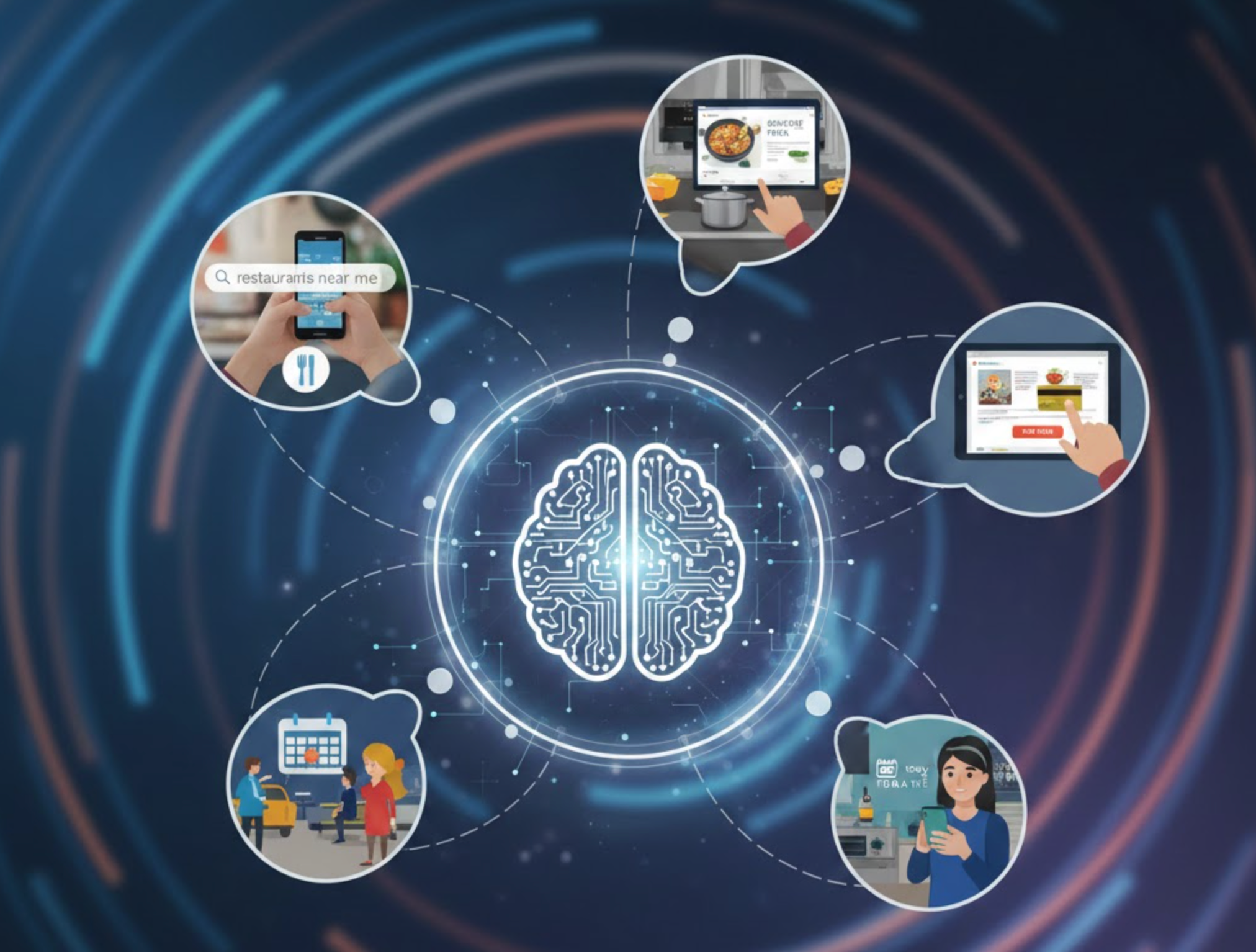
Micro-moments are brief, intent-driven windows when customers turn to their devices for a specific purpose. These moments can occur anywhere, at home, in-store, during commutes, or between tasks. What defines a micro-moment is intent combined with immediacy: the customer wants an answer, guidance, or solution right now, and they expect brands to deliver it without friction.
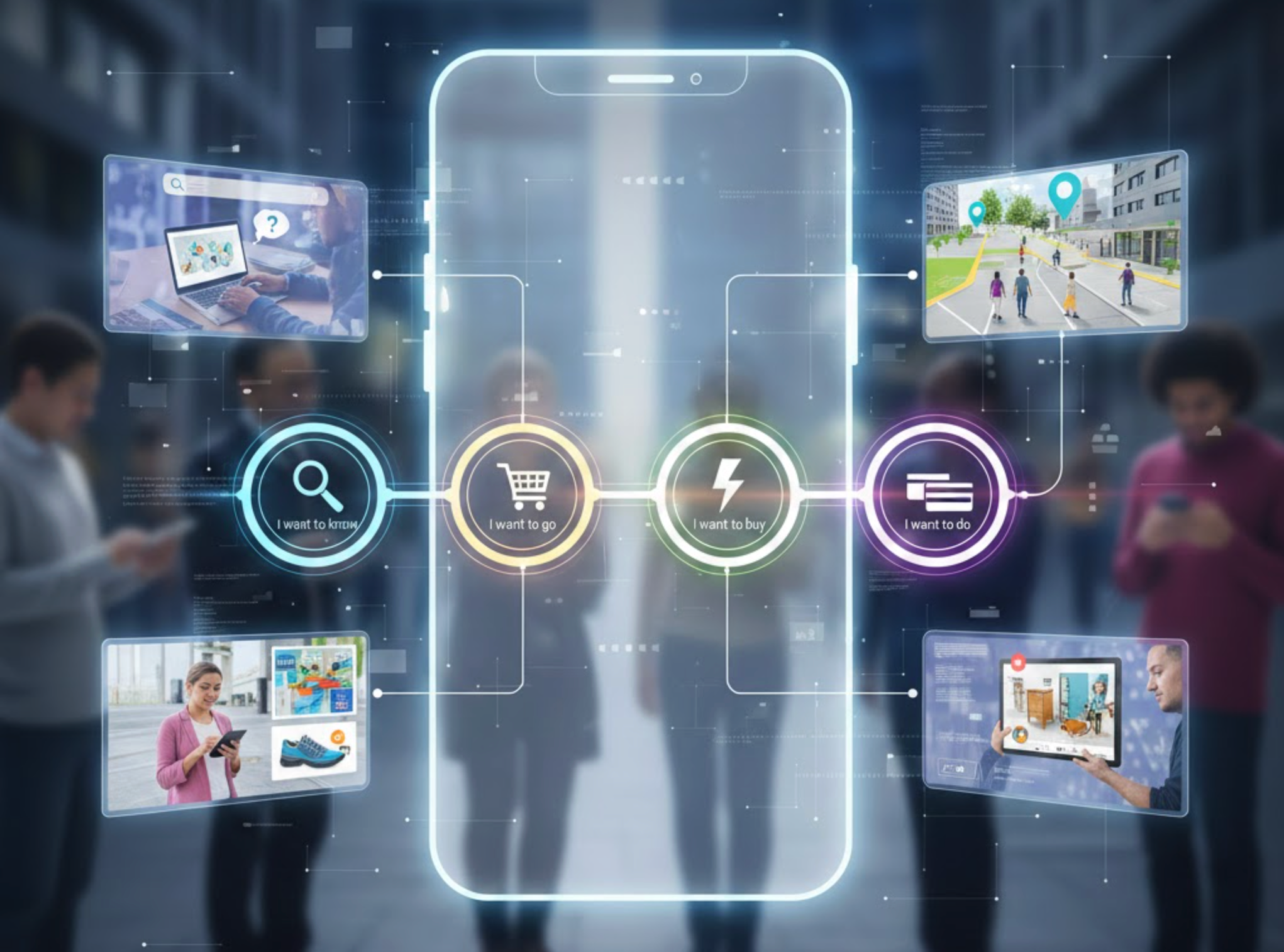
These moments are typically divided into four categories, each reflecting a different stage of the user’s intent:
These moments happen when customers are exploring or researching. They are curious but not yet ready to purchase, seeking insights, comparisons, or recommendations. For eCommerce brands, this is the ideal opportunity to provide educational content, blog posts, or product guides that position your brand as a trusted source.
By addressing the I-want-to-know moment effectively, you can build trust early, ensuring that when the user moves closer to buying, your brand remains top of mind.
In these moments, customers are looking for solutions that are local, immediate, or convenient. This could be finding the nearest store, checking delivery options, or verifying stock availability. For eCommerce stores, highlighting location-based services, same-day shipping, or in-store pickup options can directly influence decision-making.
When brands understand and respond to these moments, they bridge the gap between intention and action, keeping the purchase path seamless and frictionless.
Here, users are seeking guidance or step-by-step instructions. They might want to set up a product, learn how to use it, or solve a problem. Brands that offer quick tutorials, how-to videos, or interactive demos win these moments by making the customer’s life easier.
Providing value at this stage not only satisfies the immediate need but also fosters loyalty, as customers remember the brand that made their experience effortless.
These are the most crucial micro-moments: customers are ready to purchase but may need a final push such as trust signals, product reviews, promotions, or simplified checkout processes. Capturing this moment effectively can directly increase conversions and revenue.
Every prior micro-moment ideally funnels into the I-want-to-buy moment. By consistently delivering value at each stage, brands increase the likelihood of turning curiosity into purchase.
The shift to mobile and instant information has dramatically changed consumer behavior. Customers now engage with brands multiple times a day, often in short, fragmented interactions. This transformation presents both challenges and opportunities for eCommerce marketers:
If a brand cannot provide the information a shopper needs immediately, the user will move on—often to a competitor. By tailoring content and ads to meet customer intent in real-time, brands can satisfy curiosity, address hesitation, and accelerate the purchase journey.
To succeed, brands must think beyond traditional advertising and adopt a more proactive, responsive approach that aligns with these moments.
Micro-moments happen in seconds, which means every interaction counts. Clear messaging, visually digestible content, and immediate solutions ensure that brands capture attention before it drifts elsewhere.
The faster and more precise your response, the more likely you are to convert fleeting attention into meaningful engagement and purchases.
By targeting high-intent moments, brands engage users who are already close to a decision. For example, someone searching “best running shoes for flat feet” is significantly more likely to convert than someone seeing a generic ad. Recognizing this behavior allows eCommerce brands to allocate marketing resources more efficiently, increasing ROI.
With micro-moments, it’s about reaching the right people at the right time.
Although micro-moments are increasingly common, many eCommerce brands still rely on broad, generalized campaigns. Brands that optimize for these moments gain an edge by providing highly relevant, timely experiences that competitors may overlook.
Implementing micro-moment marketing is therefore a strategic differentiator that can redefine brand success.
A robust micro-moment strategy requires a combination of user insight, content readiness, mobile optimization, and real-time engagement. Below are the key steps for implementing this strategy effectively:

Understanding when and how customers interact with your brand is essential. Conduct a comprehensive analysis using:
By mapping micro-moments accurately, brands can anticipate needs, remove friction, and provide the right solution at precisely the right time.
Once you know your micro-moments, craft content that aligns with immediate user needs:
When content directly responds to user intent, it builds trust, improves engagement, and increases conversion.
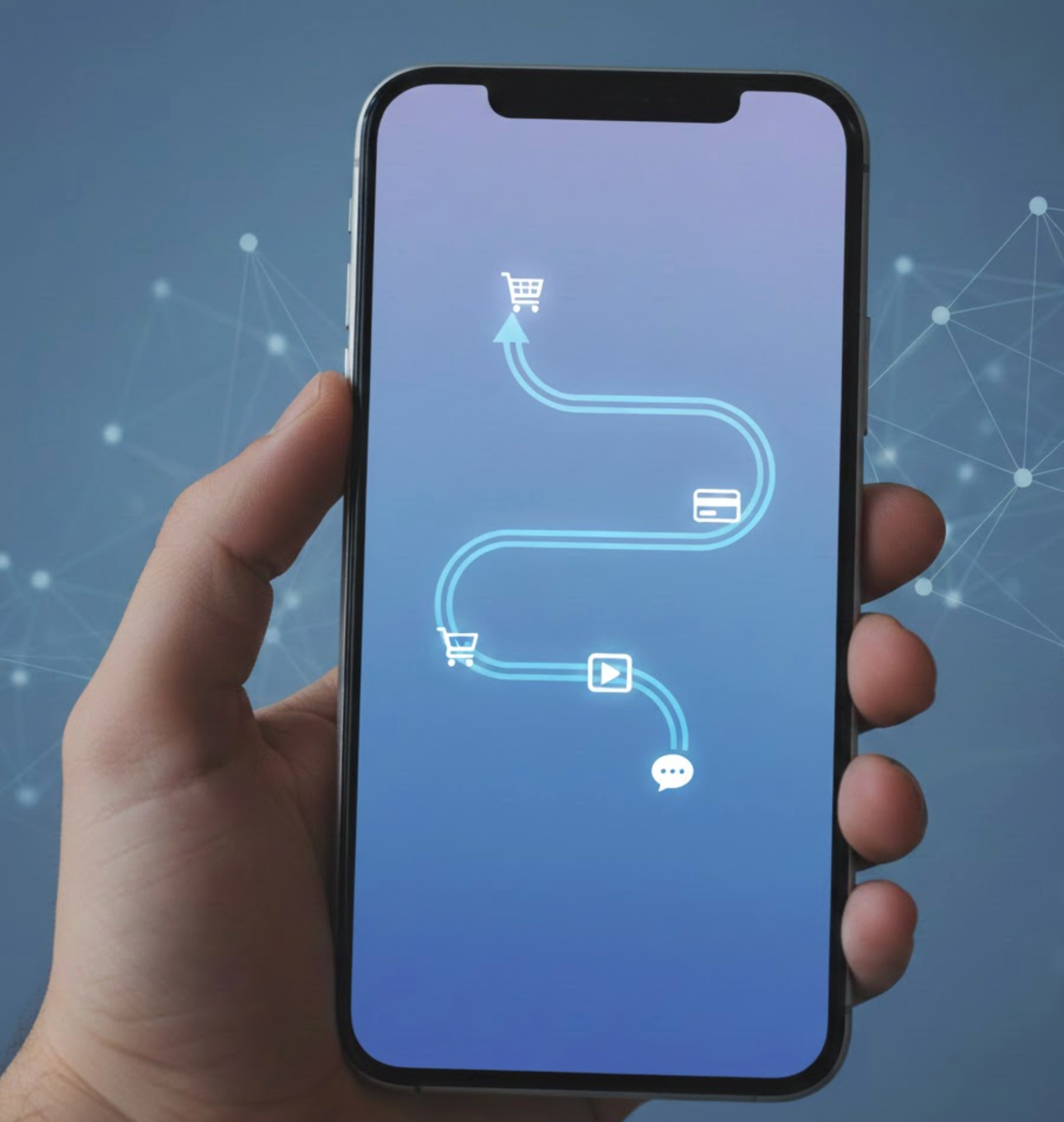
Most micro-moments occur on mobile devices. To capture them effectively, ensure your site is fast, responsive, and easy to navigate:
A smooth mobile experience keeps users engaged and reduces the chances of abandoning a purchase mid-journey.
Micro-moments demand relevance. By using real-time personalization, brands can display dynamic messaging such as:
Relevance combined with immediacy maximizes the likelihood of moving users from consideration to purchase seamlessly.
Timing is everything in micro-moment marketing. Automation tools enable brands to respond instantly through:
By automating responses, brands ensure that no micro-moment is missed, keeping potential customers engaged when their intent is highest.
Micro-moments often originate from search. Optimizing for intent-driven search queries allows brands to meet users at critical moments:
By appearing where users actively seek solutions, brands reinforce their presence and increase the chance of conversion at the perfect moment.
Social media is increasingly where micro-moments occur, especially discovery and inspiration moments. Brands can capitalize by:
Social micro-moments require immediacy and clarity; the faster your content provides value, the higher the likelihood of engagement and conversion.
Here are practical applications of micro-moment marketing for eCommerce brands:
A user searches, “Best moisturizer for dry skin in winter.”
The brand’s comparison article appears, guiding the user with expert advice. A product page with simplified ingredient lists and user reviews follows, satisfying both research and buying intent.
By anticipating the user’s questions, the brand moves the customer seamlessly from curiosity to purchase.
A customer lingers on a dress page but hesitates.
A behavior-triggered popup appears: “See how it looks on different body types.”
This visual reassurance reduces doubt and encourages checkout.
Small, context-aware nudges like these capitalize on micro-moments without disrupting the user experience.
A shopper searches, “How to set up wireless earbuds.”
The brand’s tutorial ranks first, providing instant guidance. At the end, a CTA offers compatible accessories, turning a how-to moment into a purchase opportunity.
By capturing both informational and buying intent, the brand maximizes value from a single micro-moment interaction.
To evaluate the effectiveness of your micro-moment marketing, focus on metrics that capture speed, engagement, and conversion, such as:
Tracking these indicators helps identify friction points and ensures that every micro-moment works toward driving conversions.
Micro-moment marketing reflects the reality of modern shopper behavior: decisions happen quickly, often on mobile devices, and in short bursts of attention. Brands that anticipate and respond to these moments gain a strategic advantage by delivering value when it matters most.
By mapping customer journeys, creating intent-focused content, optimizing for mobile, and implementing real-time personalization and automation, eCommerce brands can guide users seamlessly from curiosity to purchase. In a world where timing can make or break a sale, mastering micro-moments is a key differentiator that separates top-performing brands from the rest.
The brands that embrace micro-moment marketing today are the ones that will define the eCommerce leaders of tomorrow.