New to Shopify? Free trial, then $1/month for your first 3 months. Start free trial →
 Where is your store?
Ryviu works with both – pick yours to continue.









Popups remain one of the most powerful tools for capturing attention, promoting offers, and driving conversions across websites and online stores. When used thoughtfully, they can guide users toward meaningful actions such as signing up for newsletters, claiming discounts, or discovering relevant products. However, when popups are overused, poorly timed, or irrelevant, they quickly shift from helpful to harmful. This is where popup fatigue begins.
Popup fatigue occurs when users feel overwhelmed by repeated interruptions during their browsing experience. Instead of supporting the customer journey, excessive popups disrupt it, creating frustration and resistance. Learning how to avoid popup fatigue allows businesses to protect user experience while still benefiting from the conversion power popups offer.
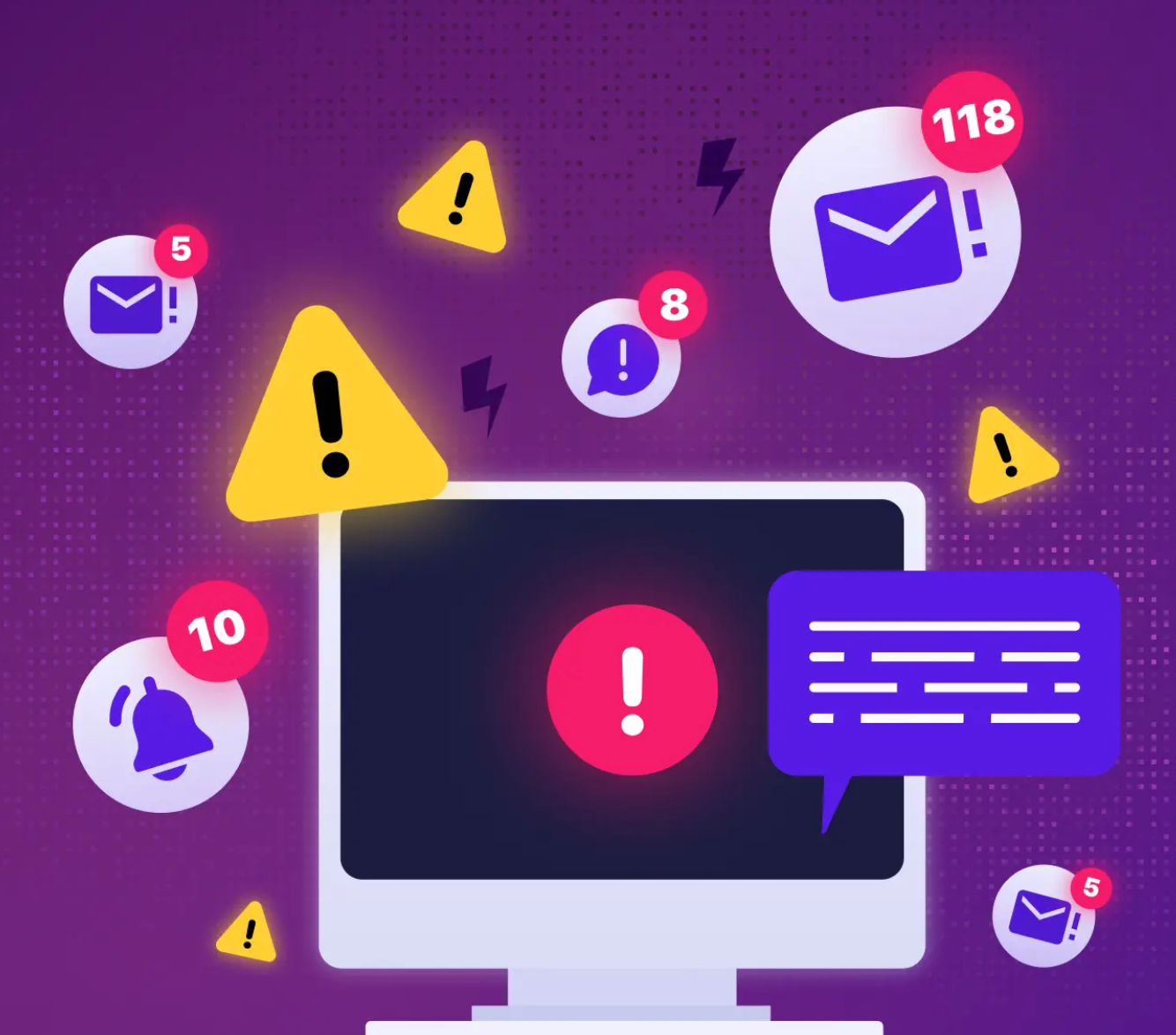
Popup fatigue refers to the gradual decline in user engagement caused by repeated exposure to intrusive or excessive popups. As visitors encounter popups too frequently, especially across multiple sessions, they become mentally conditioned to dismiss them without reading.
Over time, popups stop feeling like helpful prompts and start feeling like obstacles. This can lead users to ignore valuable offers, lose patience, or even associate your brand with annoyance. Popup fatigue is particularly damaging because it reduces effectiveness quietly, often before businesses notice a sharp drop in performance.
The impact of popup fatigue goes beyond a single missed signup or sale. It affects how users perceive your brand and whether they feel comfortable continuing their journey on your site.
Some of the most common consequences include:
Over time, popup fatigue can undo the benefits of otherwise well-designed UX and marketing strategies.
Popup fatigue rarely comes from a single poor decision. It usually develops when several small, overlooked issues accumulate over time. These problems often arise during routine optimization or tool setup. Without regular review, they can quietly damage user experience and conversion performance.
Displaying multiple popups during a single visit overwhelms users and disrupts their browsing flow. Each additional popup adds friction and pulls attention away from the content users came for. When visitors are forced to close several popups in succession, frustration builds quickly. This often leads to early exits before users have a chance to convert.
Popups that appear immediately after a page loads interrupt users before they understand the page’s purpose. Without sufficient context, even a valuable offer can feel pushy or irrelevant. Early interruptions break the natural flow of exploration and reduce engagement. As a result, users are more likely to dismiss the popup or leave the site.
Showing the same popup to every visitor ignores differences in intent, behavior, and browsing stage. When messaging doesn’t match what users are viewing, popups feel disconnected from their needs. This lack of relevance reduces trust and perceived value. Over time, users learn to ignore popups entirely.
Large overlays that block content can make users feel trapped rather than supported. Hidden close buttons or forced interactions remove the sense of control from the experience. This creates irritation instead of curiosity or interest. In most cases, aggressive design pushes users away rather than persuading them to act.
Avoiding popup fatigue doesn’t mean reducing your conversion goals, it means improving how popups are delivered. When popups are timed well, relevant, and easy to dismiss, they feel like helpful guidance instead of interruptions. A thoughtful popup strategy respects the user’s browsing experience while still encouraging action. The following best practices help maintain that balance.
Showing the same popup too often quickly leads to frustration and disengagement. Frequency capping ensures visitors are not repeatedly interrupted during the same session or across short time periods. This approach keeps popups from becoming visual noise that users automatically ignore. As a result, each popup maintains its perceived value and effectiveness.
Popups should respond to user behavior rather than appear immediately or randomly. Triggers such as scroll depth, time spent on a page, or exit intent signal genuine interest. This makes the popup feel timely and relevant instead of forced. Well-timed popups naturally align with the user’s intent and browsing flow.
Generic popups often feel disconnected from what users actually want. Segmenting visitors by behavior, location, or traffic source allows you to deliver more relevant offers. Personalized messaging increases engagement because it reflects the user’s context. When popups feel tailored, users are less likely to experience fatigue.
Overloading popups with multiple messages or offers creates confusion and decision fatigue. A single, clear value proposition helps users quickly understand the benefit. Pairing that message with one strong call-to-action improves clarity and response. Focused messaging reduces cognitive effort and increases conversion potential.
Intrusive designs can make users feel trapped rather than assisted. Smaller formats such as slide-ins or corner popups allow users to continue browsing uninterrupted. Clear close buttons and gentle animations give users a sense of control. When design prioritizes comfort, popups feel less aggressive and more user-friendly.
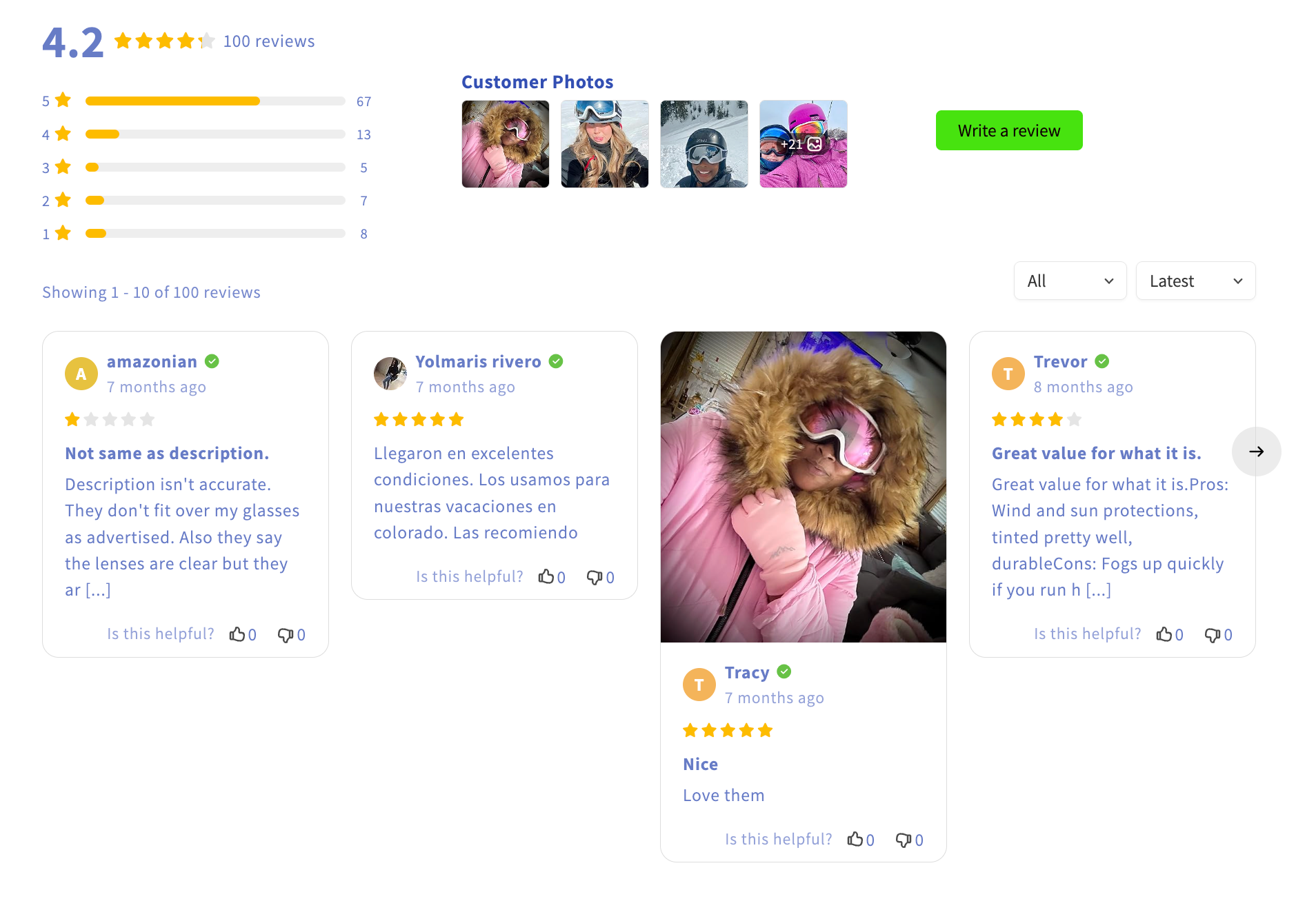
One of the most effective ways to reduce popup fatigue is to rely less on interruptions and more on trust-building elements. Instead of pushing users with repeated promotional popups, merchants can use Ryviu to display authentic customer reviews, star ratings, and photo reviews directly on product pages. This allows visitors to gain confidence without being interrupted during their browsing experience.
Ryviu helps answer common buyer questions, such as product quality, real-life usage, and reliability, right where decisions are made. When users see genuine feedback from other customers, they are less dependent on discount popups or urgency messages to move forward. This shifts persuasion from interruption-based tactics to social proof-driven trust. As a result, popups can be used more selectively and strategically.
Popup fatigue is significantly more intense on mobile devices due to limited screen space and touch-based navigation. Unlike desktop users, mobile visitors have less room to interact, making any interruption feel more intrusive. When a full-screen popup appears on mobile, it can completely block content, disrupt scrolling, and create accidental clicks. As a result, users often feel restricted, frustrated, and more likely to leave the page altogether.
Because mobile users typically browse in shorter sessions, poorly timed popups can cause immediate disengagement. A popup that appears too quickly may prevent users from understanding the page’s purpose or value. Repeated interruptions on mobile also feel more aggressive, even when the same strategy works on desktop. This makes mobile popup strategy a critical factor in overall user experience and conversion performance.
To minimize mobile popup fatigue, businesses should take a mobile-first approach:
Ultimately, mobile-first popup design is essential for maintaining usability, building trust, and encouraging long-term engagement. When popups respect the constraints of mobile screens and user behavior, they feel less intrusive and more supportive. This balance helps businesses capture attention without sacrificing the mobile experience or damaging brand perception.
Avoiding popup fatigue requires continuous monitoring and optimization. Performance data helps identify when popups are starting to hurt rather than help.
Key metrics to watch include:
Regular A/B testing of timing, design, and messaging ensures popups remain effective while respecting the user experience.
Popup fatigue is not caused by popups themselves, but by ignoring user intent and attention. When popups interrupt rather than assist, they damage trust and reduce long-term effectiveness.
By focusing on relevance, timing, moderation, and user comfort, businesses can turn popups into valuable touchpoints instead of distractions. The most successful popup strategies are built on a simple principle: respect the user experience, and conversions will follow naturally.