New to Shopify? Free trial, then $1/month for your first 3 months. Start free trial →
 Where is your store?
Ryviu works with both – pick yours to continue.








In ecommerce, selling is no longer just about listing products and waiting for customers to click “Add to Cart.” As online competition intensifies and customer expectations rise, how products are presented has become just as important as what is being sold.
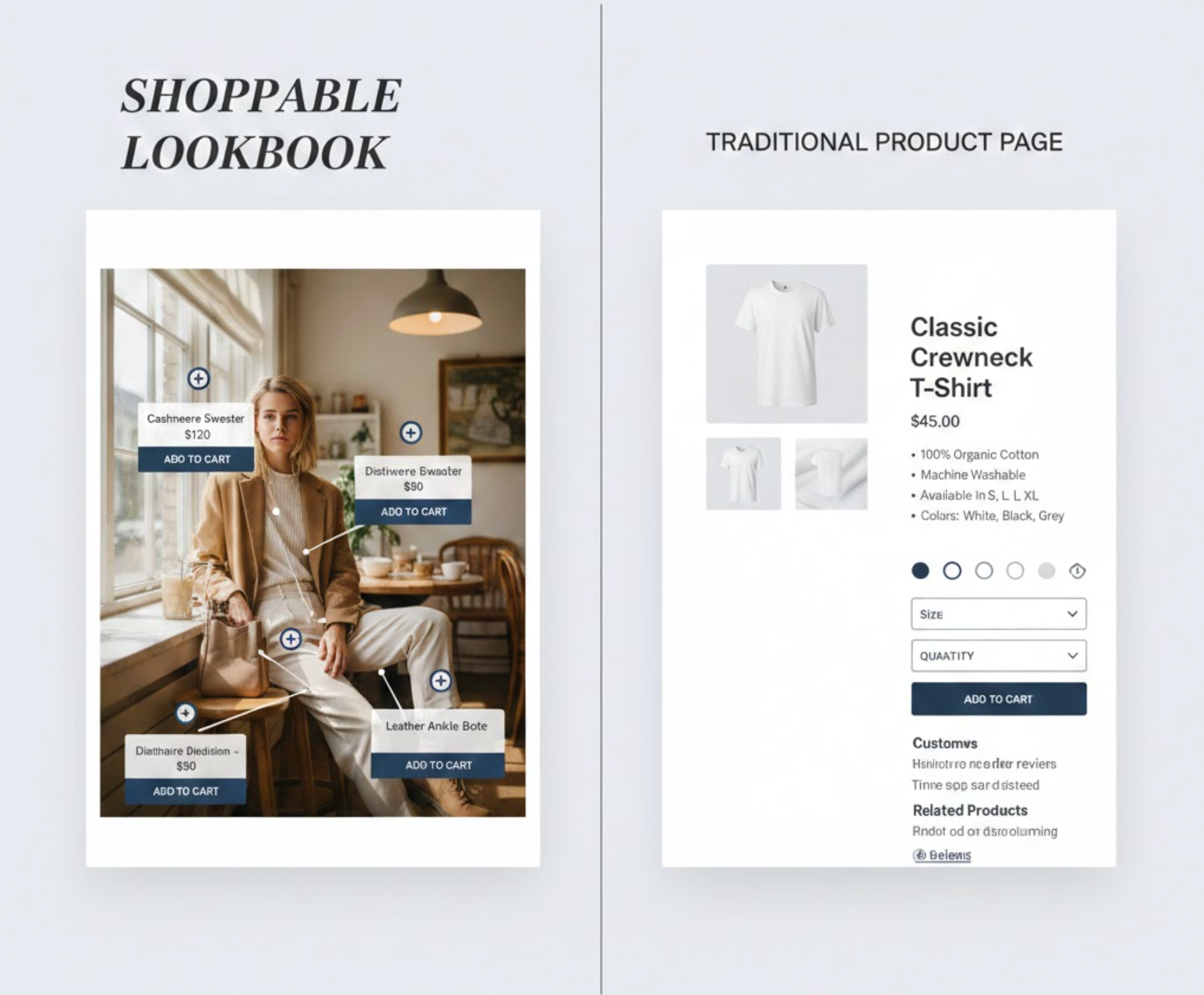
Two formats dominate modern product presentation strategies: Traditional Product Pages and Shoppable Lookbooks. While both aim to drive sales, they influence customer behavior in fundamentally different ways. One is rooted in logic, structure, and efficiency. The other thrives on emotion, inspiration, and visual storytelling.
Rather than viewing them as opposing approaches, the most successful brands understand that these formats serve different purposes across the customer journey. This article explores those differences in depth, comparing both formats across all critical aspects, with clear explanations, smooth transitions, and practical verdicts for each element.
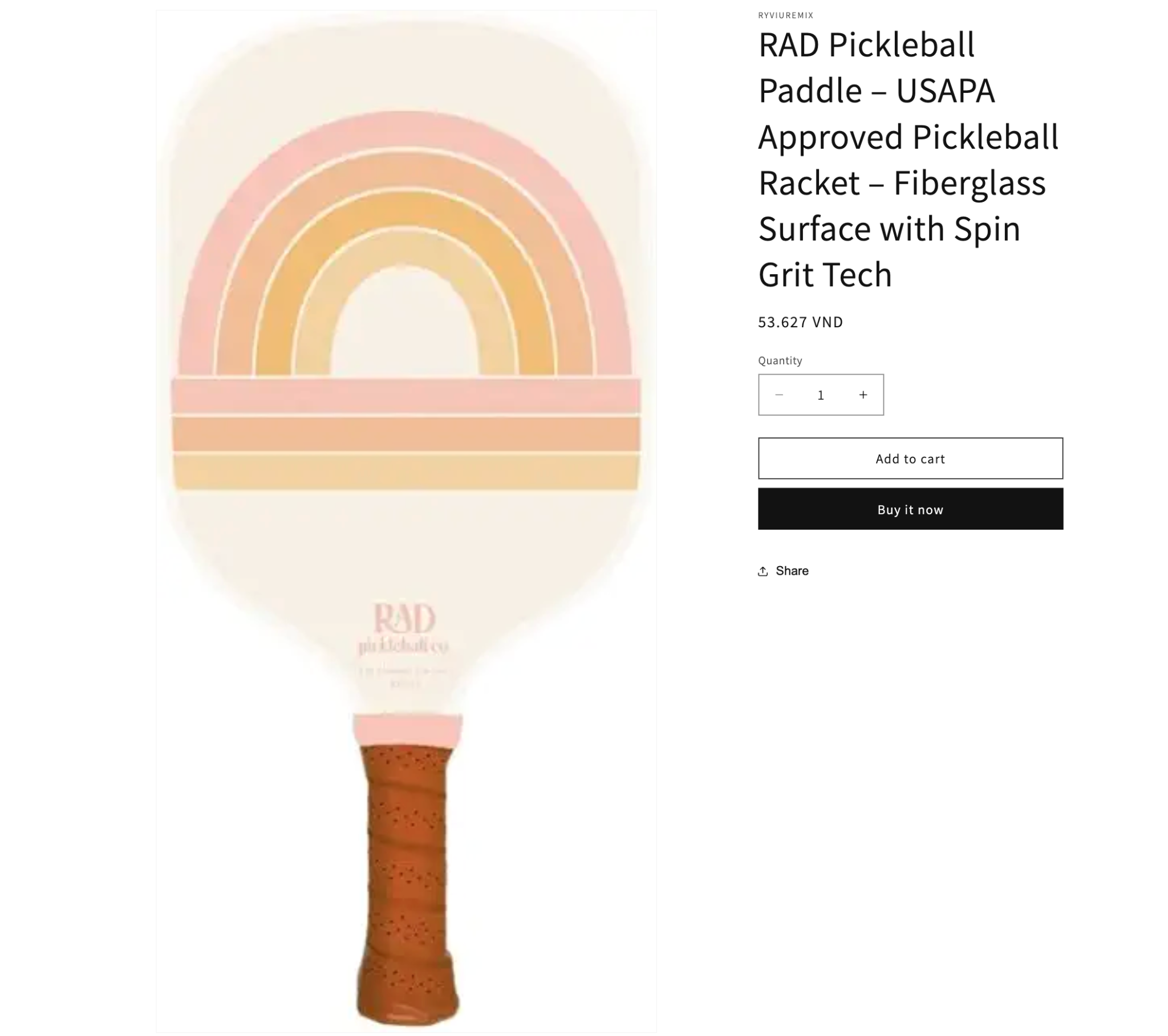
Traditional product pages are the backbone of ecommerce. They are often the final destination before a purchase is made and are designed with one clear objective: help the shopper make a confident buying decision as efficiently as possible.
A typical product page presents a single item and includes essential elements such as images, pricing, variants, descriptions, specifications, reviews, shipping details, and a clear call to action. Every component exists to answer questions, reduce hesitation, and eliminate uncertainty.
The strength of traditional product pages lies in their clarity and structure. They are especially effective for shoppers who arrive with intent, users who already know what they are looking for and want to evaluate whether a specific product meets their needs.
Search-driven traffic, paid ads, and direct links often lead users straight to these pages, making them critical for:
However, while they are excellent at explaining products, they are less effective at creating desire.
Traditional product pages assume that the shopper already understands why they want the product. They focus on justification rather than inspiration. As a result, they can feel transactional, especially for lifestyle-driven categories where emotion plays a major role.
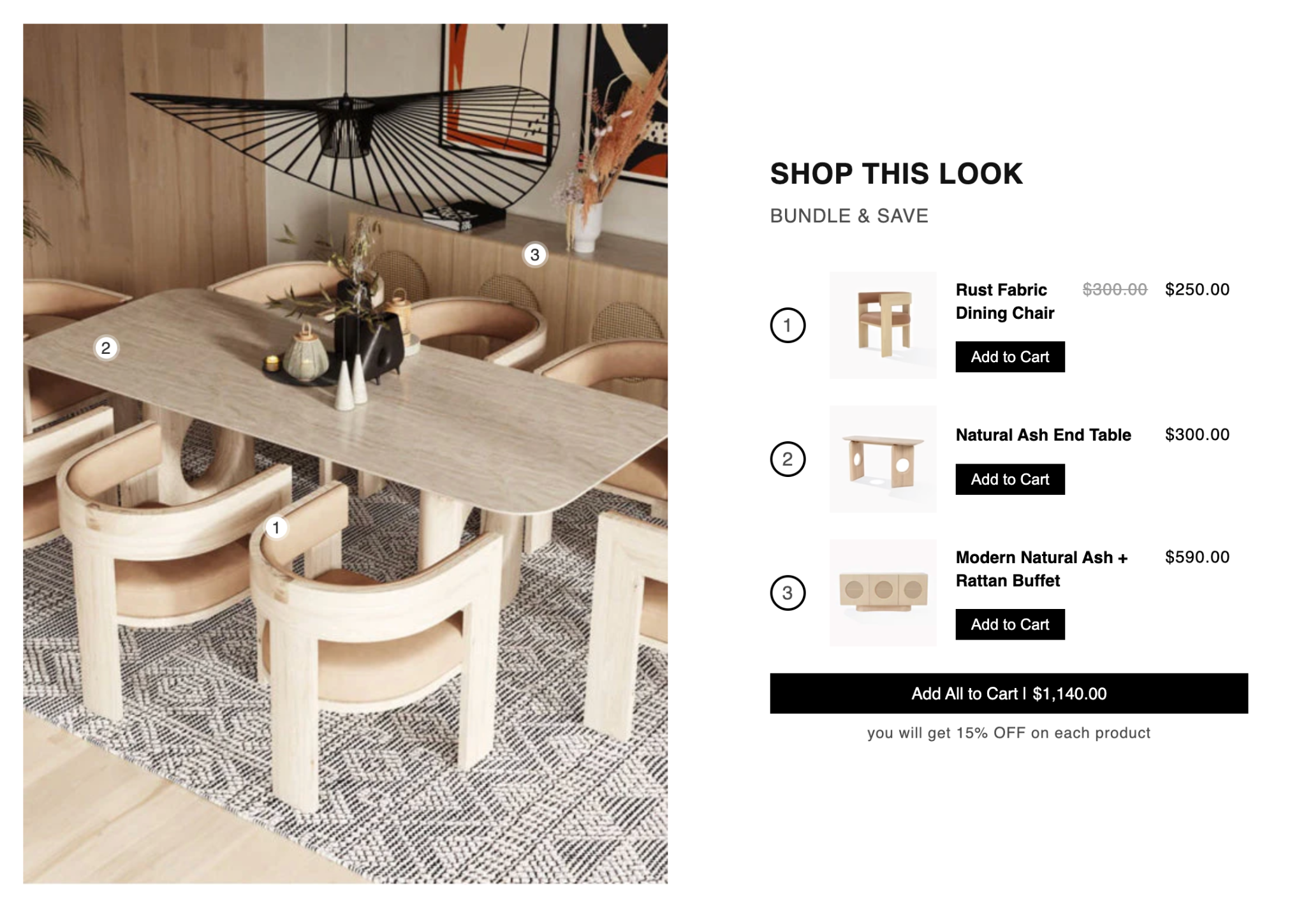
Shoppable lookbooks approach ecommerce from the opposite direction. Instead of starting with a product, they start with a scene, style, or story, allowing shoppers to discover products organically within a visual context.
A shoppable lookbook typically displays lifestyle images where multiple products are tagged and clickable. Shoppers can explore an entire outfit, room setup, or curated collection, interacting with products without leaving the experience.
This format mirrors how people already discover products on platforms like Instagram, Pinterest, and fashion magazines. Rather than evaluating isolated items, users respond emotionally to a complete look or idea.
By showing how products work together, lookbooks:
This shift from product-first to experience-first is why shoppable lookbooks are gaining traction across fashion, home décor, beauty, and lifestyle brands.
While lookbooks excel at engagement and inspiration, they often lack the depth required for final decision-making. Most shoppers still need to consult a traditional product page to confirm details before purchasing.
Understanding user intent is the key to evaluating both formats effectively.
Traditional product pages serve decision-driven intent. These shoppers are closer to purchase and want direct answers. They value efficiency and clarity over exploration.
Shoppable lookbooks cater to discovery-driven intent. These users may not know exactly what they want yet. They are browsing, comparing styles, or seeking ideas.
The difference here is not about which format is “better,” but when each format is most useful.
Verdict: product pages support decision-making, while lookbooks support exploration. Each format aligns with a different mindset rather than competing for the same role.
Traditional product pages rely on clean layouts and controlled visuals. While effective, their imagery is usually isolated, focusing on the product alone.
Shoppable lookbooks create emotional resonance by placing products in real-life or aspirational contexts. Seeing items styled together helps users imagine ownership more vividly.
This emotional layer plays a crucial role in industries where identity, aesthetics, and lifestyle influence purchasing behavior.
Verdict: Shoppable Lookbooks clearly outperform traditional product pages in emotional engagement and visual storytelling.
When it comes to explaining what a product is, how it works, and why it is worth buying, traditional product pages remain unmatched.
They allow for:
Shoppable lookbooks, while visually informative, are not designed to carry this level of detail. Instead, they spark interest and then hand users off to product pages for deeper evaluation.
Verdict: Traditional Product Pages win for detailed understanding and buyer confidence.
Search engines favor structured, text-rich pages, which makes traditional product pages ideal for organic traffic generation. Each product page can be optimized around specific keywords and intent-based queries.
Shoppable lookbooks, being image-centric, typically play a smaller role in SEO strategies. They are more effective as engagement and conversion support tools rather than traffic drivers.
Verdict: Traditional Product Pages dominate SEO performance and discoverability.
Conversions rarely happen in isolation. They are the result of multiple interactions across the funnel.
Traditional product pages are optimized for closing the sale. Their design, content hierarchy, and CTAs push users toward action.
Shoppable lookbooks influence conversions indirectly by increasing:
In practice, lookbooks warm users up, while product pages seal the deal.
Verdict: Traditional product pages are optimized to close sales, while Shoppable lookbooks influence conversions in a subtler way.
Cross-selling on traditional product pages often feels optional or secondary.
Shoppable lookbooks, however, present cross-selling as a natural outcome. When users see multiple items styled together, buying more than one product feels logical rather than promotional.
This is where many brands see noticeable AOV improvements.
Verdict: Shoppable Lookbooks are more effective for increasing cart size and multi-product purchases.
Mobile users behave differently from desktop users. They scroll faster, browse more casually, and respond better to visual cues than dense text.
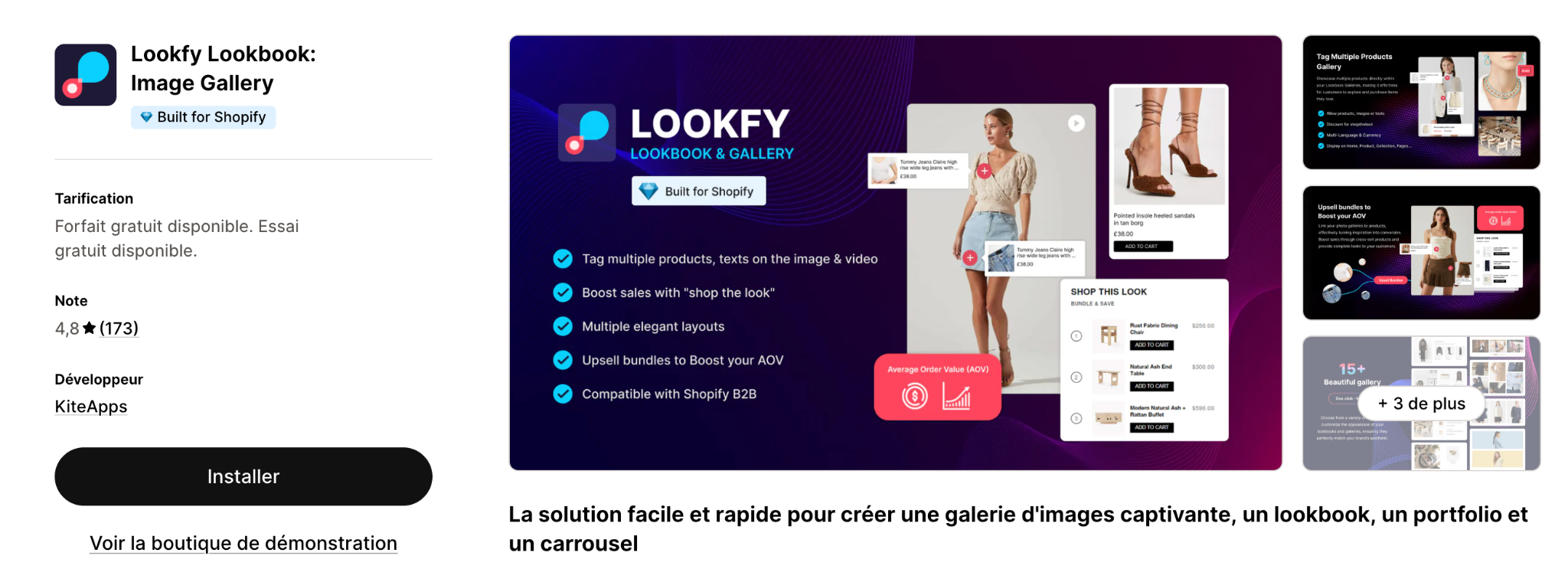
Long product pages can feel overwhelming on small screens, while interactive lookbooks align better with tap-based navigation. Shopify merchants often use tools like Lookfy to create shoppable lookbooks that remain lightweight and intuitive on mobile, helping bridge the gap between inspiration and action without disrupting the browsing flow.
Verdict: Shoppable Lookbooks provide a stronger mobile-first experience.
Traditional product pages focus on what a product is.
Shoppable lookbooks communicate who the brand is for.
By consistently presenting a visual style, tone, and lifestyle, lookbooks help brands differentiate themselves in crowded markets where features alone are no longer enough.
Verdict: Shoppable Lookbooks excel at brand storytelling and positioning.
From an operational standpoint, traditional product pages are easier to scale. They follow standardized templates and update automatically with product data.
Shoppable lookbooks require more curation and creativity. However, modern tools have significantly lowered the barrier. Sellers can reuse existing assets, tag products efficiently, and update looks without rebuilding content from scratch.
Verdict: Traditional product pages remain easier to scale and maintain, especially for large catalogs. But shoppable lookbooks require more creative input and curation.
Shoppable lookbooks and traditional product pages are not alternatives to one another, they are complementary tools that serve different purposes within the customer journey. Lookbooks attract attention, inspire exploration, and help shoppers visualize possibilities, while product pages provide clarity, reassurance, and a clear path to purchase.
When used together, these formats create a seamless experience that moves customers naturally from inspiration to evaluation and finally to conversion. In an ecommerce landscape where both emotion and efficiency matter, this balanced approach allows brands to engage modern shoppers without sacrificing performance.
Ultimately, the most effective stores are not those that rely on a single format, but those that understand how to combine storytelling and structure in a way that feels intuitive, helpful, and human.