New to Shopify? Free trial, then $1/month for your first 3 months. Start free trial →
 Where is your store?
Ryviu works with both – pick yours to continue.








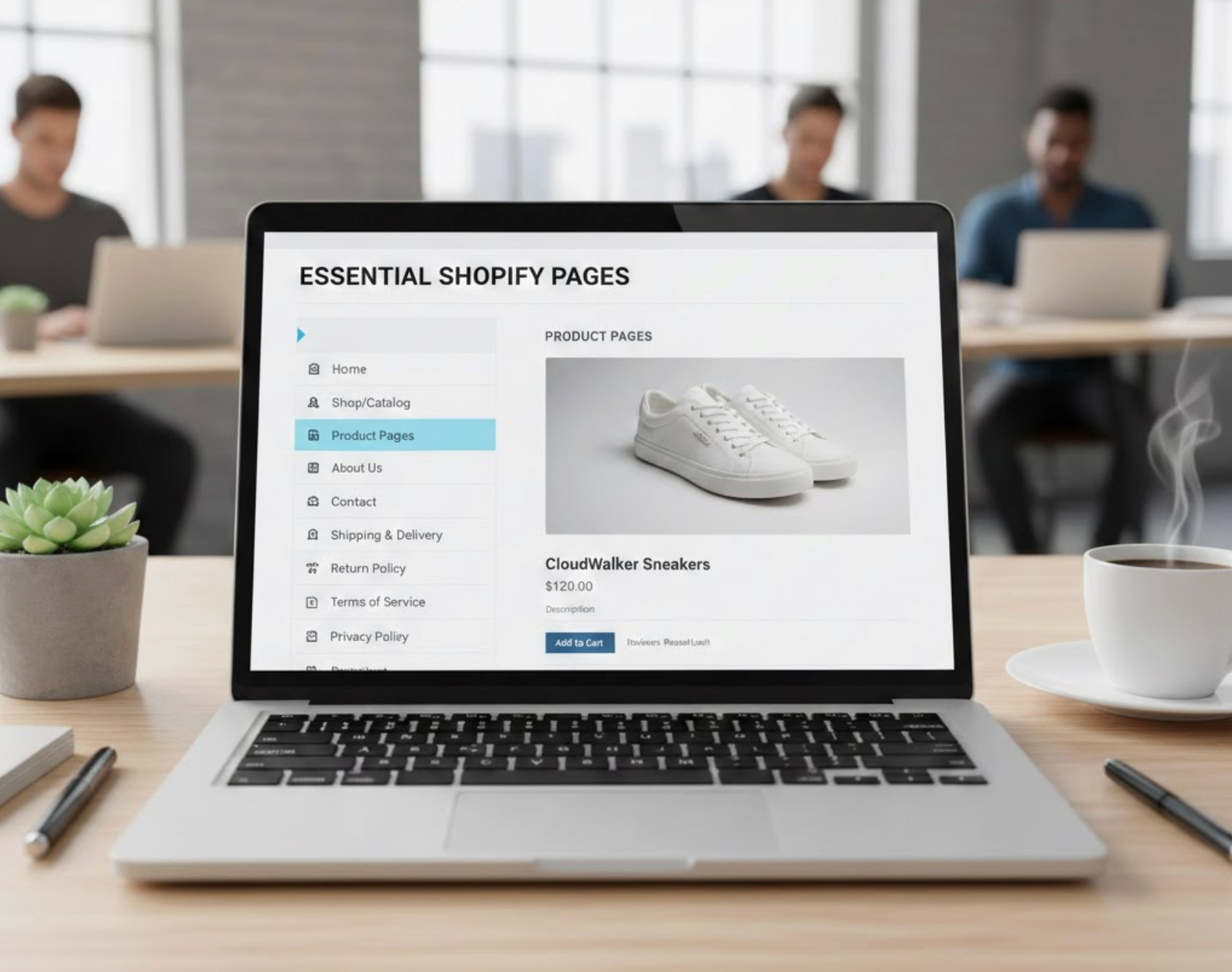
Running a successful Shopify store goes far beyond listing products and launching ads. Customers today expect clarity, transparency, and reassurance before they commit to a purchase. Essential store pages play a critical role in shaping how visitors perceive your brand, how confident they feel while browsing, and whether they ultimately convert into paying customers.
These pages act as silent sales assistants, answering questions, addressing concerns, and guiding users smoothly through the shopping journey. Missing or poorly structured pages can create doubt, increase bounce rates, and lead to abandoned carts. Below are the essential pages every Shopify online store must have, along with detailed explanations of why they matter and what makes them effective.

Your homepage is the digital storefront of your Shopify business. It’s often the first page visitors see, and within seconds, they decide whether to stay or leave. A strong homepage clearly communicates what your brand offers and who it’s for, without overwhelming visitors with too much information.
Beyond aesthetics, the homepage sets the tone for the entire shopping experience. It should guide visitors effortlessly toward products, collections, or promotions while reinforcing trust and credibility. A well-designed homepage balances storytelling, usability, and conversion-focused elements.
To make your homepage effective, it should clearly present:
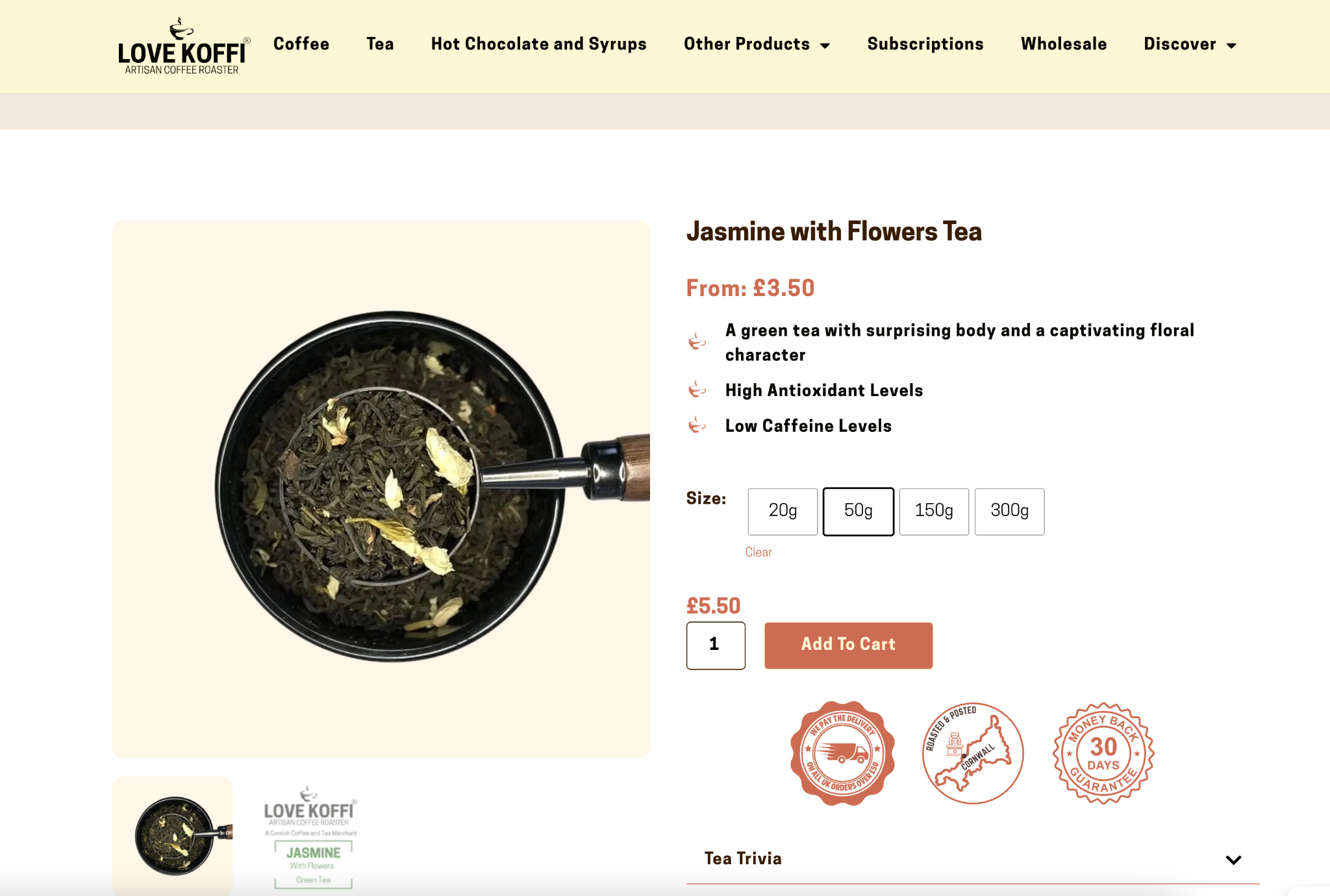
Product pages are the most conversion-critical pages in your Shopify store. This is where customers evaluate whether a product is worth their money, so clarity and detail are essential. A good product page removes uncertainty by answering questions before they arise.
Rather than focusing only on technical specifications, high-performing product pages emphasize benefits, real-world use cases, and emotional appeal. When customers can easily visualize how a product fits into their lives, they are far more likely to buy.
A well-optimized product page typically features:
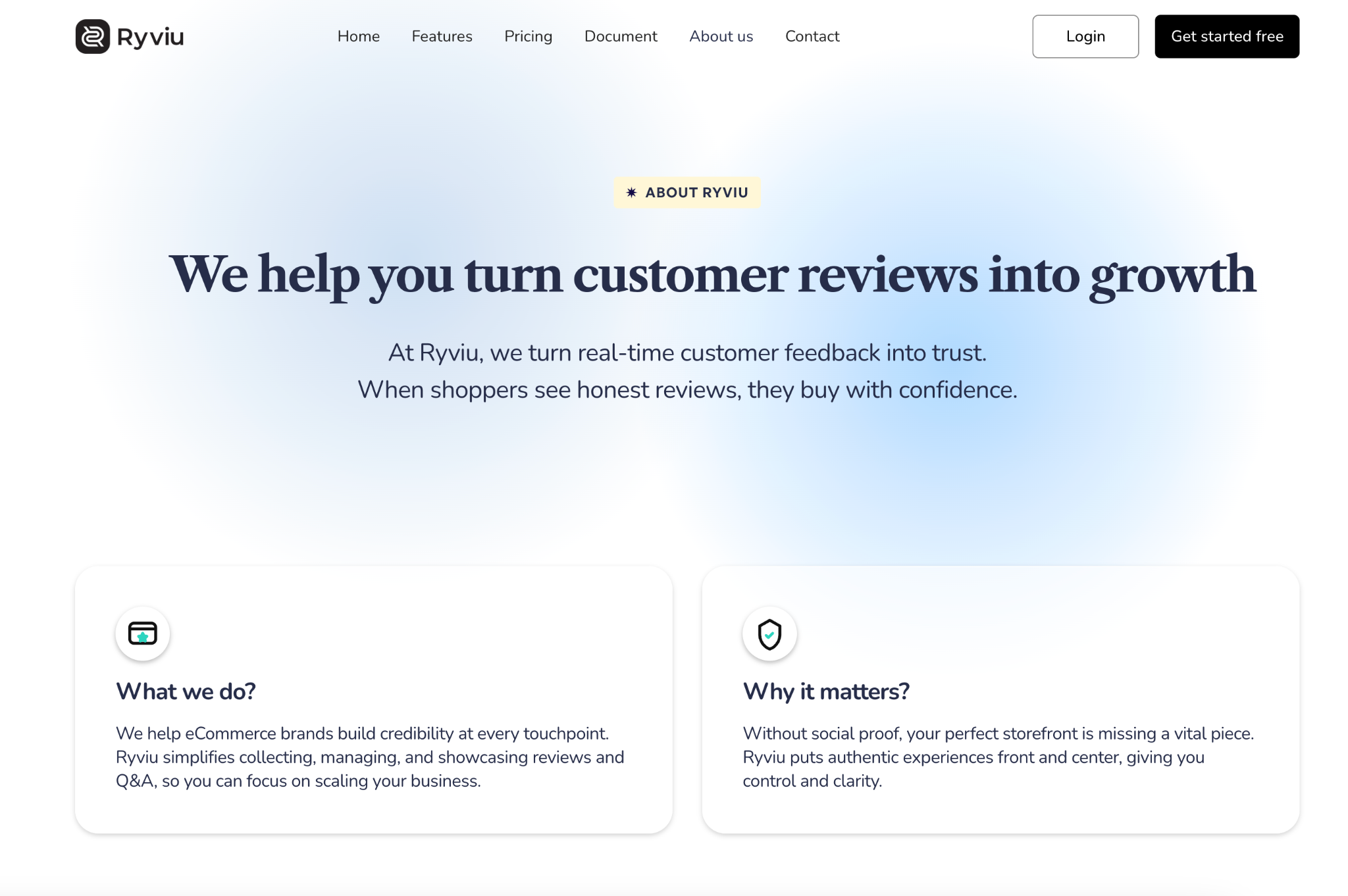
The About Us page is where your brand becomes human. In an online environment where trust can be fragile, customers want to know who they are buying from and why the business exists. This page helps create an emotional connection that goes beyond transactions.
Instead of reading like a corporate introduction, an effective About Us page tells a story. It explains your journey, values, and purpose, helping customers feel aligned with your brand and more comfortable supporting it.
An engaging About Us page often highlights:
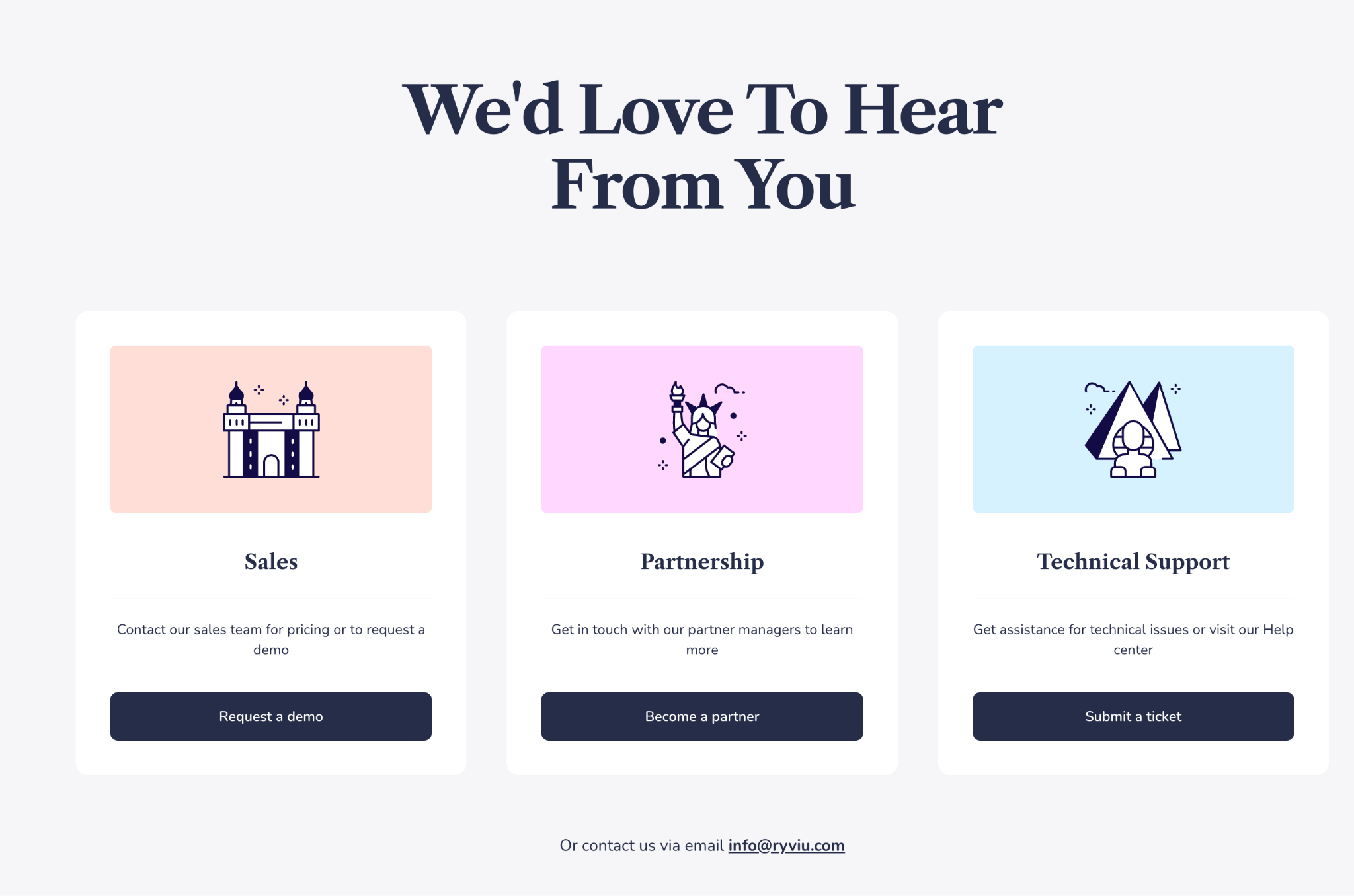
A Contact Us page reassures customers that real support is available if they need help. Even when shoppers don’t plan to reach out, knowing they can easily contact you reduces hesitation and builds confidence in your store’s legitimacy.
This page should be straightforward and easy to access from anywhere on your site. Offering clear communication channels shows professionalism and commitment to customer satisfaction.
To ensure customers can reach you easily, this page should provide:
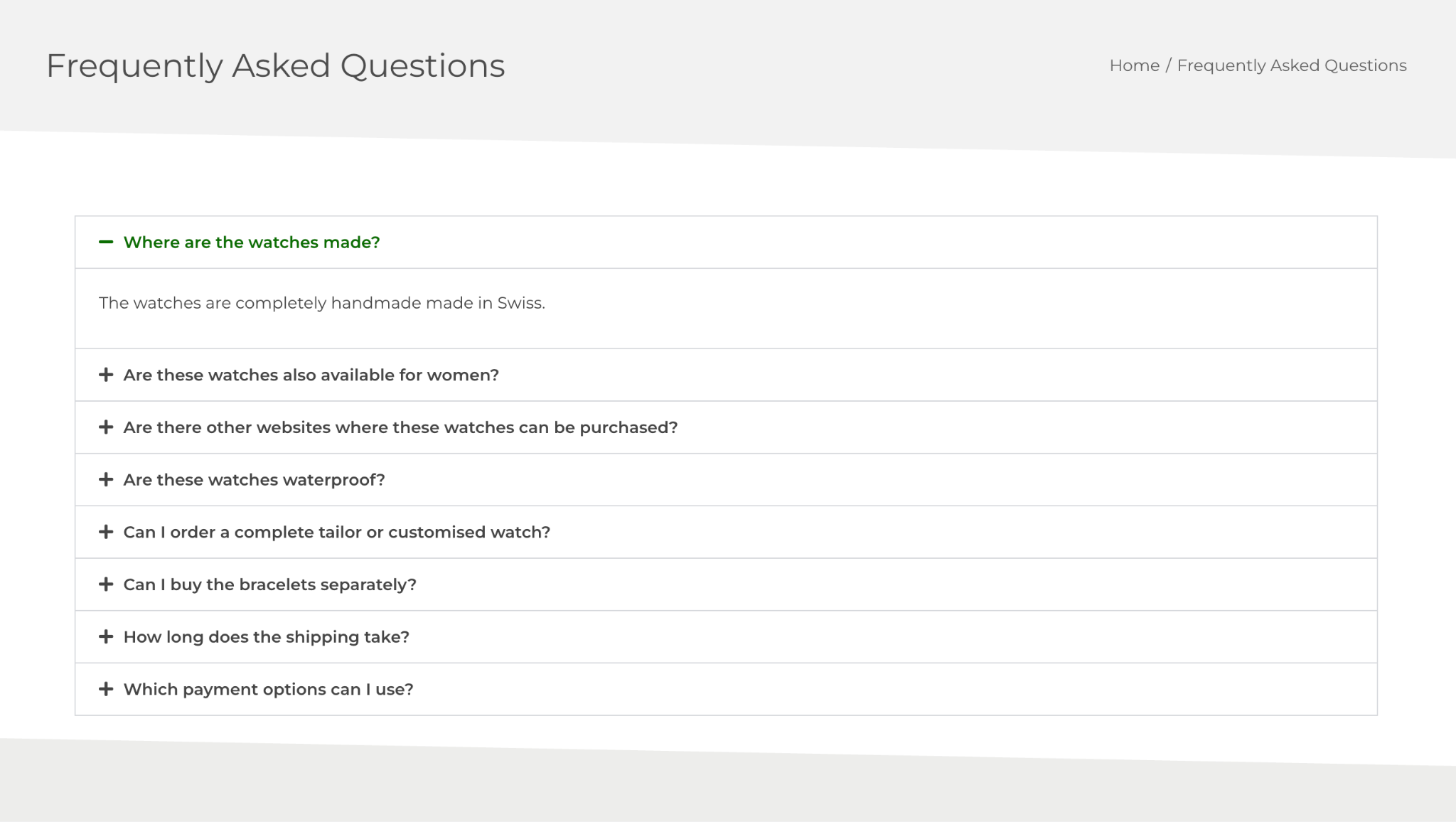
An FAQ page is a powerful tool for improving customer experience and reducing support workload. By answering common questions in one place, you help customers move forward with confidence without interrupting their shopping journey.
This page is especially valuable for addressing concerns that may otherwise lead to hesitation or cart abandonment. A well-organized FAQ page shows that you understand your customers’ needs and have proactively addressed them.
Common topics an effective FAQ page usually covers include:
Shipping and returns are often deciding factors for online shoppers. If this information is unclear or hard to find, customers may leave before completing a purchase. A dedicated policy page helps set expectations and reduces post-purchase dissatisfaction.
Transparency on this page also protects your business by clearly outlining terms upfront. When customers know exactly what to expect, trust and satisfaction increase.
This policy page should clearly explain:
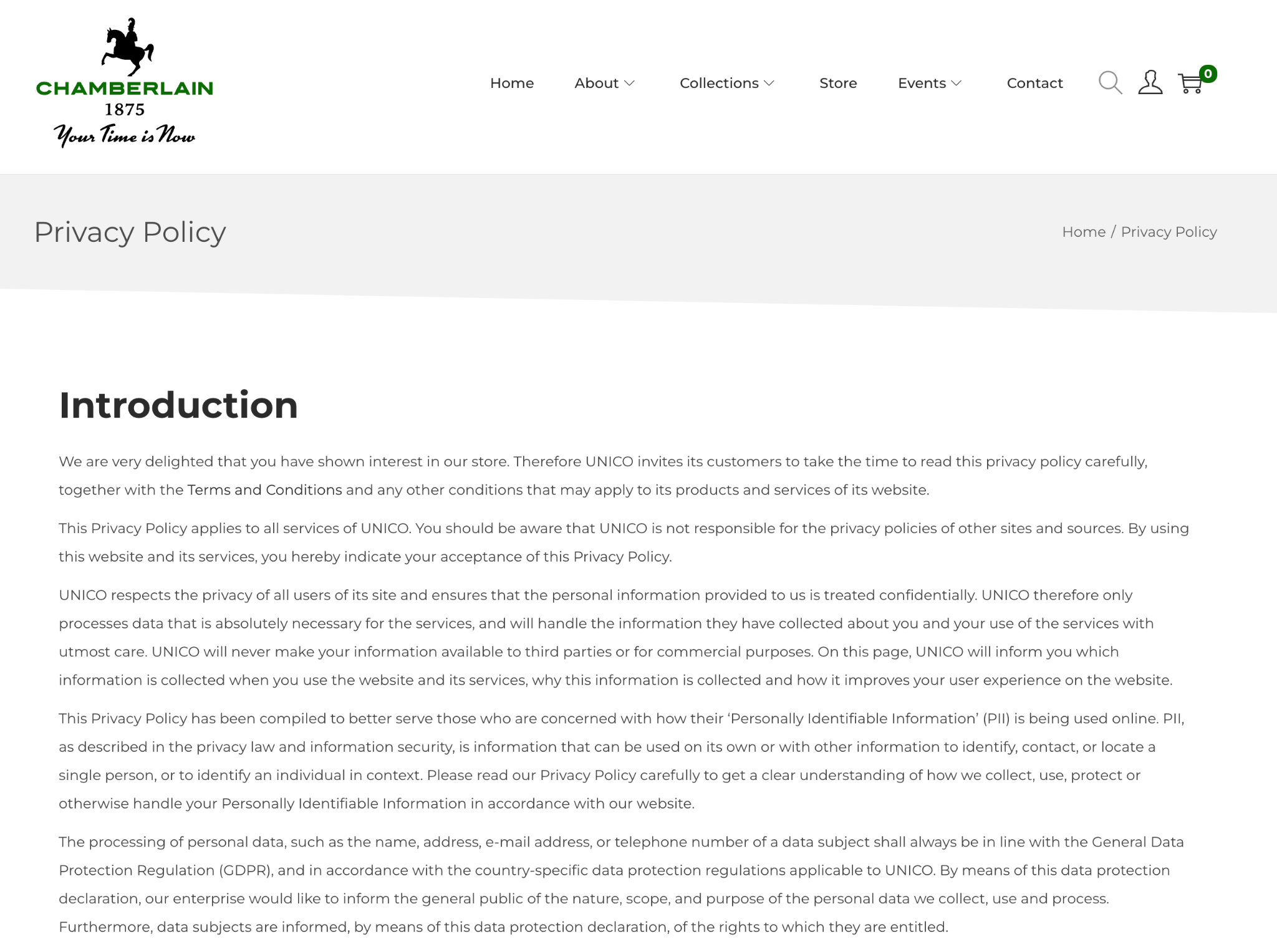
A Privacy Policy page explains how your store collects, uses, and protects customer data. With growing concerns around online privacy, customers want assurance that their personal information is handled responsibly.
In many regions, this page is also a legal requirement, especially if you use cookies, email marketing, or third-party apps. A clear privacy policy helps build trust while ensuring compliance.
Typically, a strong privacy policy outlines:
The Terms of Service page defines the rules governing the use of your Shopify store. While it’s not always closely read, it serves as an important legal safeguard for your business and clarifies expectations for customers.
This page helps prevent misunderstandings by outlining responsibilities, limitations, and acceptable use of your website and services.
Important points usually addressed on this page include:
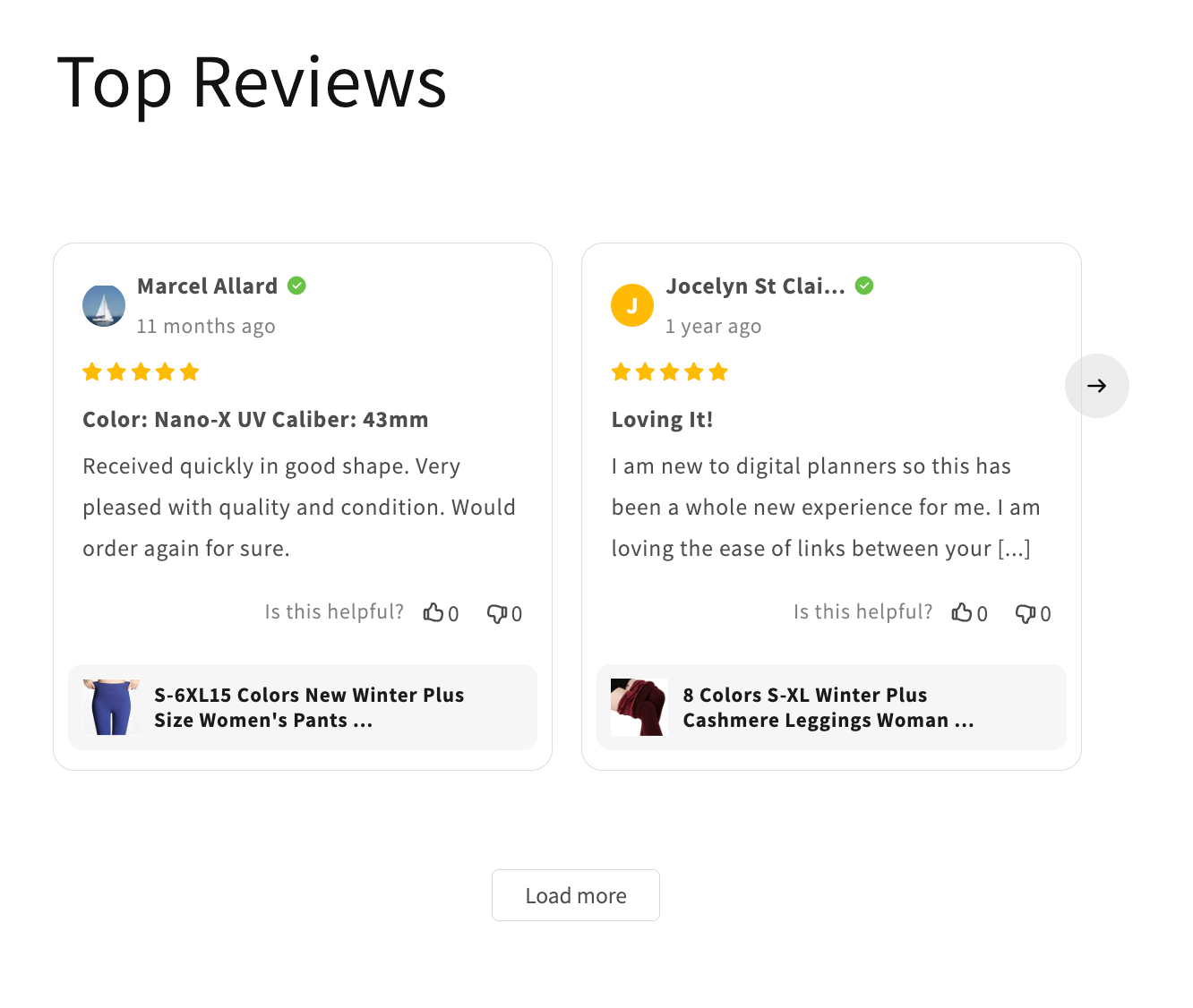
A dedicated reviews or testimonials page plays a crucial role in building trust, especially for first-time visitors who are still deciding whether your store is reliable. While individual product reviews help at the decision stage, a centralized page allows customers to see broader feedback about your brand, service quality, and overall shopping experience.
This page is particularly effective for reinforcing credibility and reducing hesitation before shoppers explore specific products. By highlighting authentic customer voices, you help visitors feel reassured that others have had positive experiences with your store.
A strong reviews or testimonials page typically brings together:
To manage and display reviews more efficiently, many Shopify merchants use review apps like Ryviu, which allow you to collect, organize, and showcase customer feedback in a visually consistent way. With features such as photo reviews, star ratings, and flexible display layouts, Ryviu makes it easier to present social proof not only on product pages but also on a dedicated testimonials page that aligns with your store’s branding.
Essential pages are the backbone of every successful Shopify online store. They provide clarity, reduce uncertainty, and create a sense of trust that encourages visitors to move from browsing to buying. Each page plays a specific role in guiding customers and supporting their decision-making process.
By investing time in building, expanding, and maintaining these key pages, you create a more professional, transparent, and conversion-friendly shopping experience. In the long run, well-crafted essential pages don’t just support your store, they actively drive growth and customer loyalty.