New to Shopify? Free trial, then $1/month for your first 3 months. Start free trial →
 Where is your store?
Ryviu works with both – pick yours to continue.








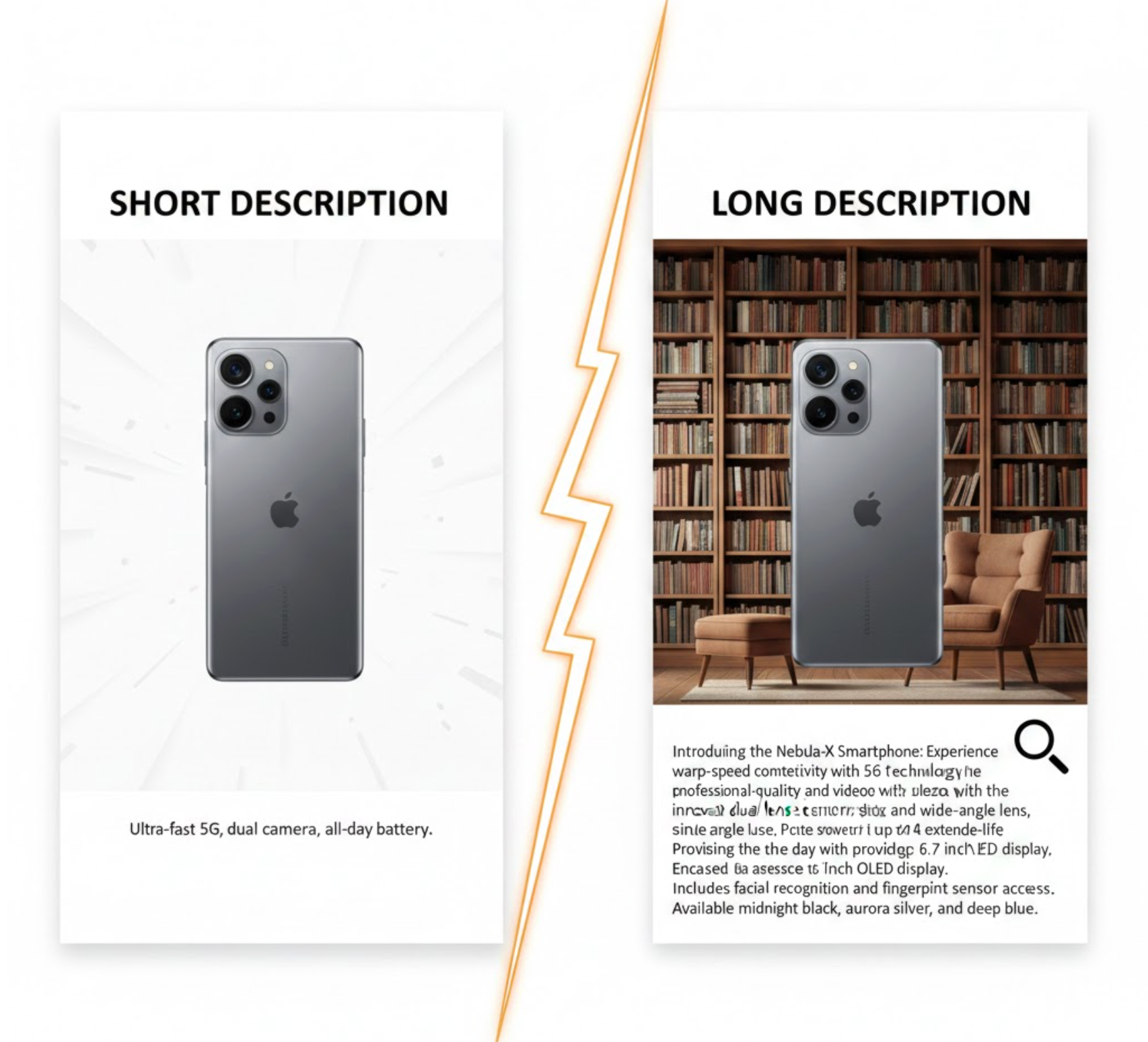
Product descriptions are one of the most underestimated elements of an eCommerce product page. Many merchants treat them as a formality, something to “fill in” after images, price, and layout are done. In reality, product descriptions directly influence how quickly shoppers understand your product, how confident they feel about buying it, and whether they trust your brand at all.
One of the most common strategic questions in eCommerce content is whether to keep descriptions short and concise or long and detailed. Each approach affects user experience, conversions, SEO, mobile usability, and even brand perception in very different ways. Choosing the wrong format can create friction, confusion, or missed opportunities, especially as shoppers become more distracted and impatient.
This article offers a detailed, aspect-by-aspect comparison between short and long product descriptions, with clear verdicts after each section and a practical guide on when to use each approach.
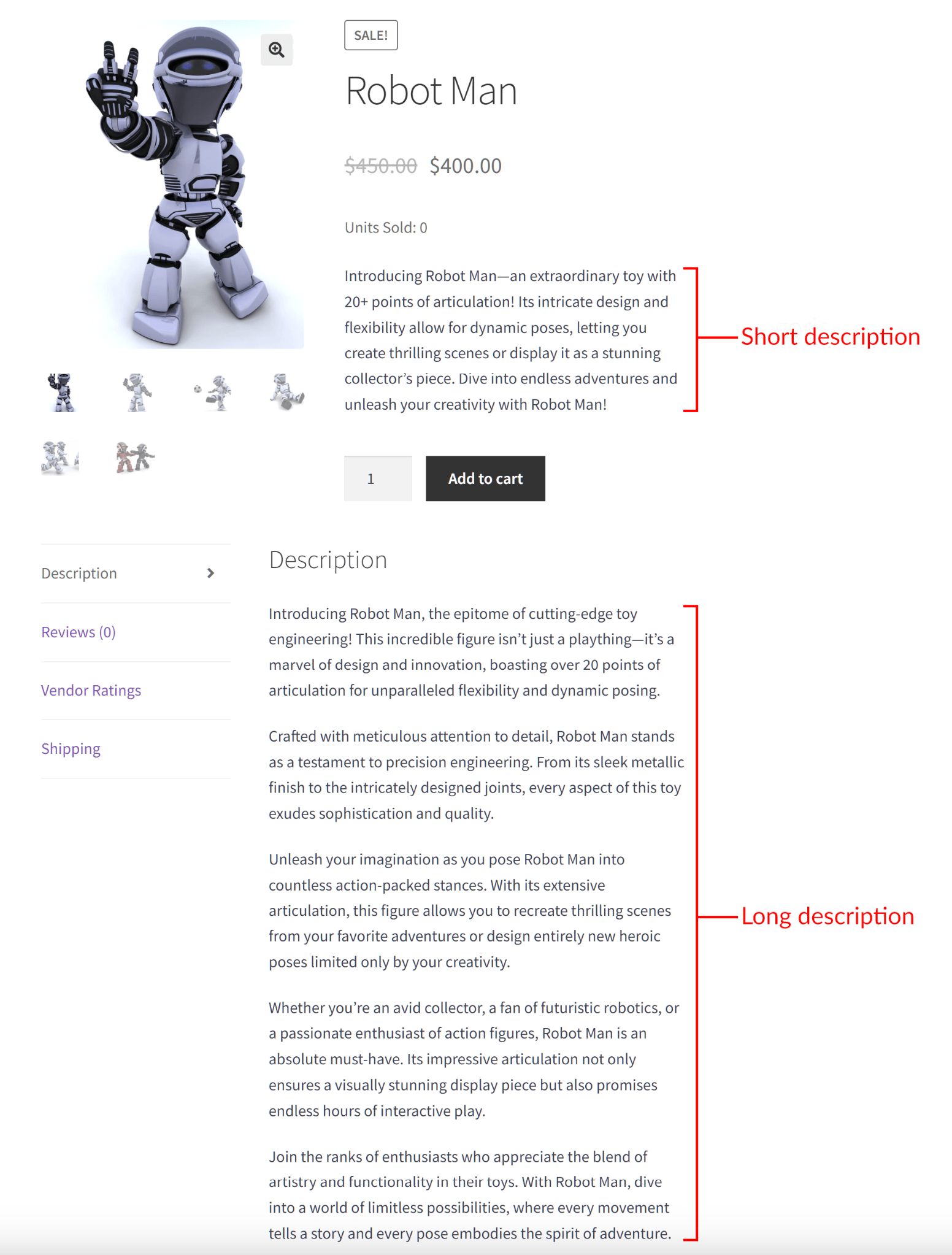
Short product descriptions typically range from 30 to 80 words and focus on the product’s core value. They highlight the main benefit, one or two key features, and an emotional hook that nudges shoppers toward action. These descriptions are designed to be consumed quickly, often within a few seconds, and work best when visuals and reviews carry much of the explanatory load.
Long product descriptions usually extend beyond 150 to 300 words, sometimes more for complex products. They go deeper into features, specifications, use cases, materials, instructions, and benefits. Their purpose is not speed but certainty, helping shoppers fully understand what they’re buying and why it’s worth the price.
While these two formats appear to be opposites, they are better understood as serving different stages of the decision-making process. Short descriptions answer “What is this?” while long descriptions answer “Is this right for me?”
Online shoppers rarely read product pages line by line. Instead, they scan headlines, bold phrases, bullet points, and visual cues to decide whether a product deserves more attention. This behavior is even more pronounced on mobile devices, where screen space is limited and distractions are constant.
Short product descriptions align naturally with this skimming behavior. They present essential information upfront and respect the shopper’s limited attention span. When written well, they allow users to grasp the product’s value without scrolling or thinking too much.
Long descriptions can struggle in this context if they are presented as dense blocks of text. However, when structured properly, with headings, spacing, bullets, and clear sections, they can actually support scanning by allowing shoppers to jump directly to the information they care about.
Verdict: Short descriptions are safer for fast-scanning shoppers, but long descriptions can still perform well if they are carefully structured for skimmability rather than written as continuous prose.
Short descriptions reduce friction at the moment of decision. By limiting information, they prevent analysis paralysis and encourage quicker action, which is particularly effective for impulse purchases or repeat buyers who already understand the product category.
Long descriptions slow the decision process, but this slowdown is not always negative. For high-consideration products, shoppers often want to slow down. They want confirmation that the product fits their needs, solves their problem, and justifies the price. In these cases, longer descriptions reduce uncertainty and hesitation rather than increasing it.
The real difference lies in decision confidence versus decision speed. Short descriptions accelerate decisions, while long descriptions strengthen them.
Verdict: If speed is the priority, short descriptions perform better. If confidence is the priority, long descriptions usually win.
Some products are intuitive and self-explanatory. Others are not.
Short descriptions work best for simple, familiar items where shoppers already understand what they’re buying, such as basic apparel, accessories, or everyday household items. Adding too much explanation in these cases can feel unnecessary or even suspicious.
Long descriptions are essential when a product has multiple features, technical specifications, or usage nuances. Without detailed explanations, shoppers may misunderstand the product, hesitate, or abandon the page entirely. In these cases, long descriptions act as a silent salesperson, guiding shoppers through the product’s value step by step.
Verdict: The more complex or unfamiliar the product, the stronger the need for a long description.
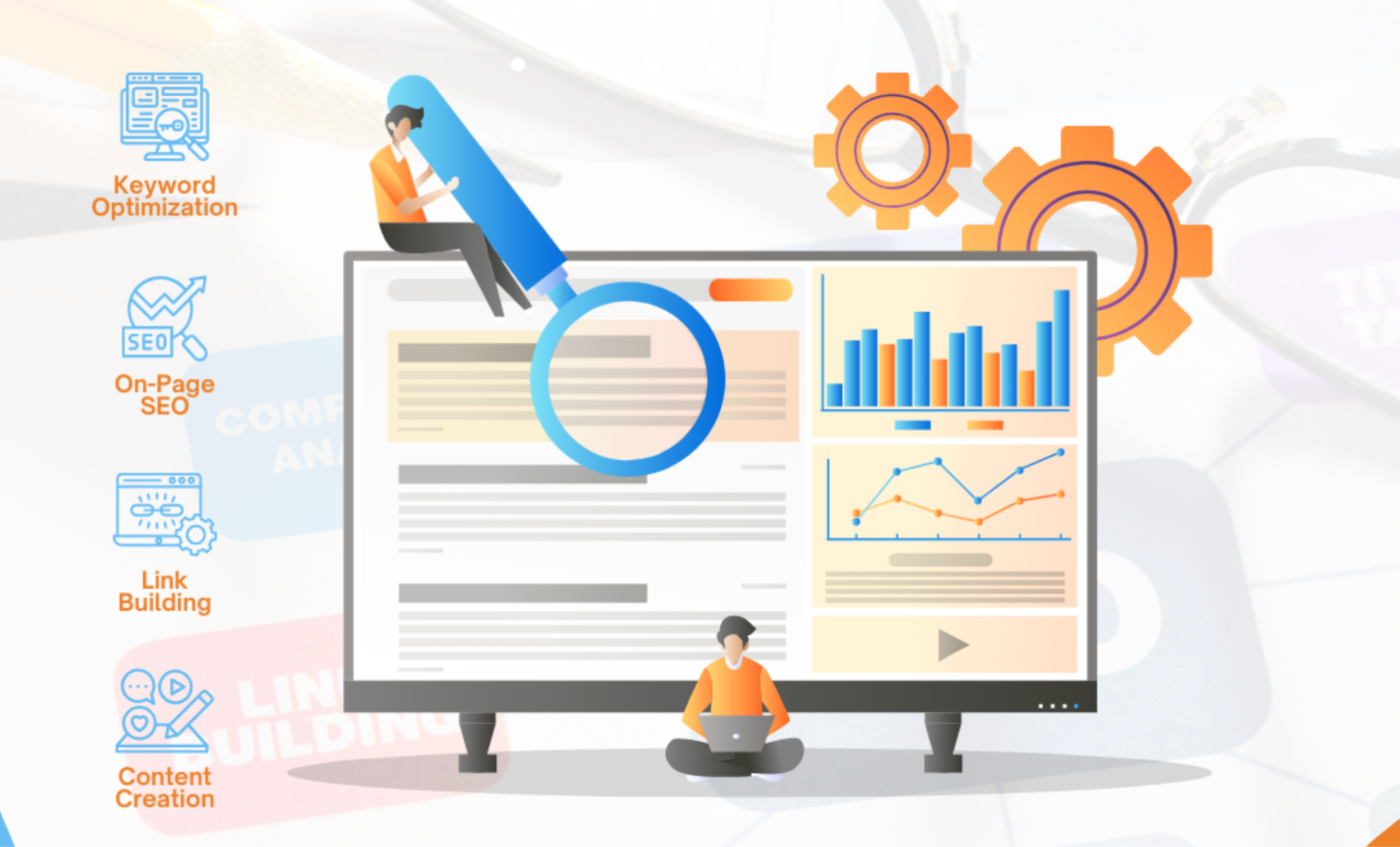
From a search engine perspective, content depth matters. Short descriptions often lack the contextual richness needed to rank for competitive keywords, especially in saturated eCommerce niches.
Long product descriptions provide space to naturally include primary keywords, related phrases, and semantic variations. They also allow you to answer common questions, which improves relevance and dwell time, both important SEO signals.
However, long descriptions written purely for search engines can harm conversions if they feel robotic or repetitive. The best-performing pages treat SEO as a secondary benefit of genuinely helpful content.
Verdict: Long descriptions offer a clear SEO advantage, as long as they are written with user intent in mind rather than keyword density alone.
On mobile devices, every extra line of text increases scrolling and cognitive load. Short descriptions help maintain a clean, focused layout and ensure that key elements like price, reviews, and the add to cart section remain visible.
Long descriptions can still work on mobile, but placement becomes critical. Many high-converting stores move long descriptions below the fold, collapse them by default, or separate them into tabs to avoid overwhelming mobile users.
Verdict: Short descriptions are naturally mobile-friendly, while long descriptions require thoughtful design to avoid hurting usability.
Trust is a major factor in eCommerce, especially for new brands or high-risk purchases. Short descriptions assume a baseline level of trust and rely heavily on visuals, branding, and social proof to fill in the gaps.
Long descriptions actively build trust by addressing potential objections, explaining materials or processes, and clarifying expectations. They reduce ambiguity, which is often the root cause of hesitation and returns.
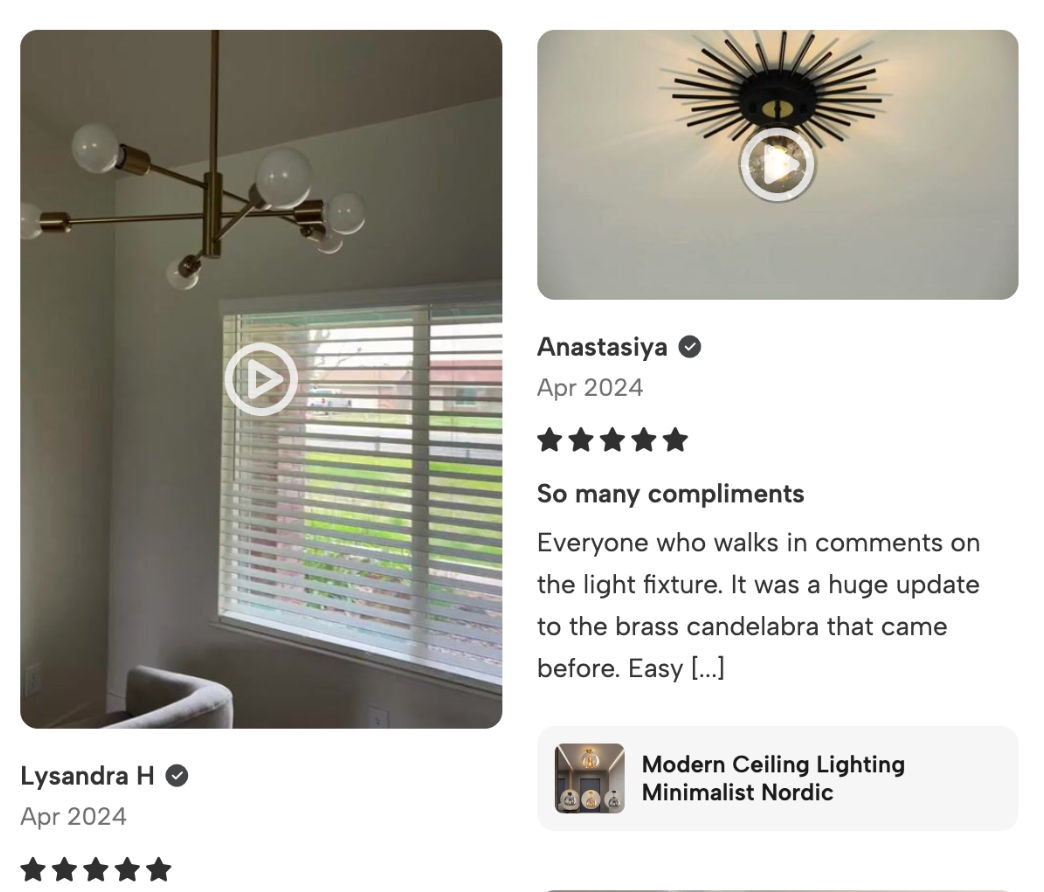
When long descriptions are supported by authentic customer reviews, especially photo and video reviews, they become significantly more persuasive. Tools like Ryviu enhance this effect by allowing real customers to validate detailed claims, making the product feel more credible and less like a marketing copy.
Verdict: Long descriptions are more effective for trust-building, particularly when paired with strong user-generated content.
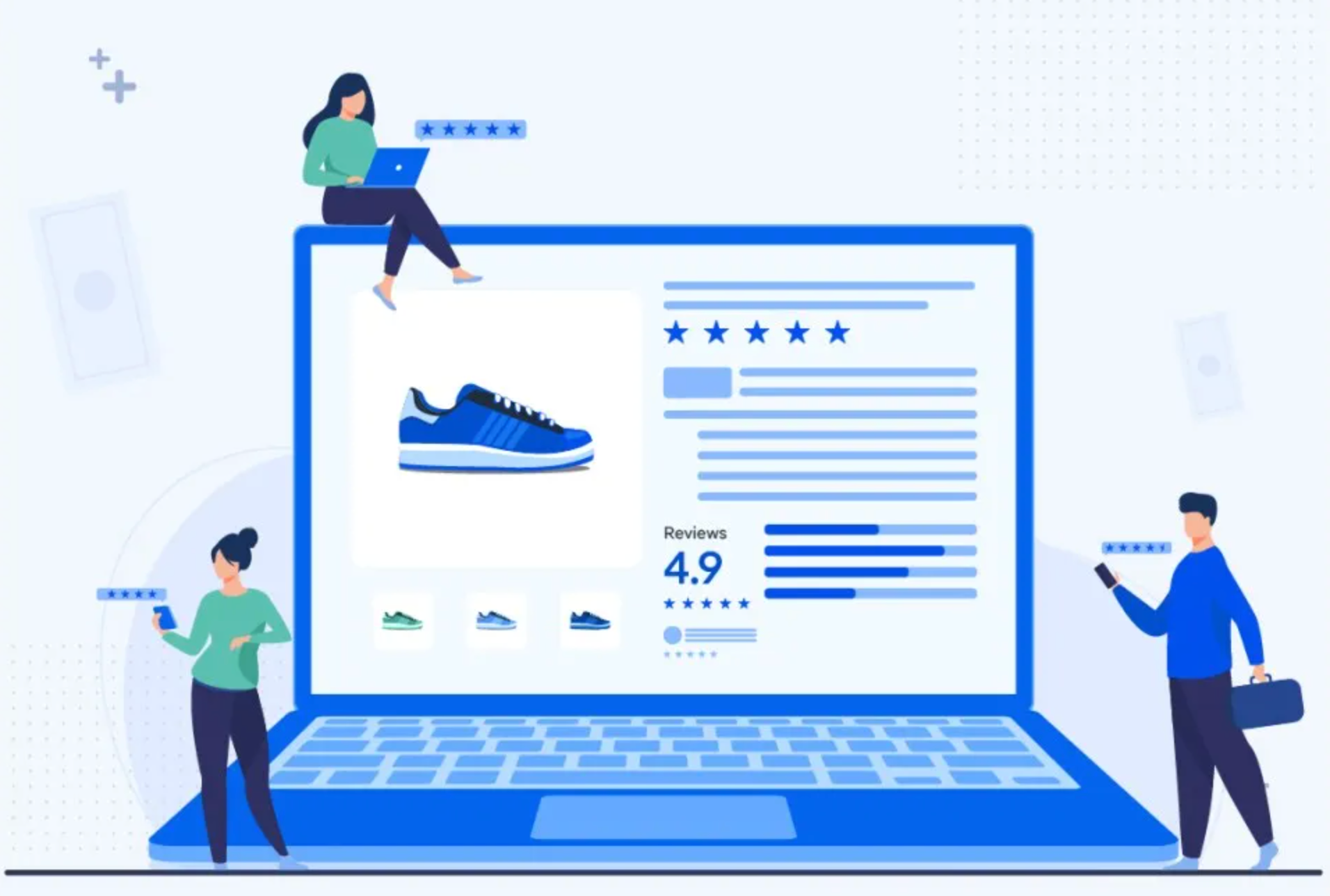
Reviews play a critical supporting role regardless of description length. For short descriptions, reviews often act as the “long version,” providing real-world context, benefits, and use cases that the copy does not cover.
For long descriptions, reviews serve as proof. They confirm that the product performs as described and that the detailed claims are grounded in real experiences.
By displaying reviews prominently, stores can confidently keep descriptions concise while still offering depth through authentic customer voices.
Verdict: Strong reviews reduce the risks of both approaches and make description length a strategic choice rather than a limitation.
Description length subtly communicates brand values. Short descriptions often convey confidence, simplicity, and modern minimalism. Long descriptions suggest expertise, transparency, and customer care.
Neither approach is inherently better, but inconsistency can confuse shoppers. A minimalist brand with overly verbose descriptions may feel inauthentic, while a technical brand with overly brief descriptions may feel unreliable.
Verdict: Your description length should reinforce your brand positioning, not contradict it.
Choosing between short and long product descriptions should be a strategic decision based on product type, shopper intent, and where the content appears on your product page. Each format serves a distinct purpose, and understanding when to use them helps you reduce friction while still providing enough information to convert.
Short product descriptions are ideal when shoppers can understand the product quickly and do not require extensive explanation before making a decision. They are especially effective in situations where speed and clarity matter more than depth.
In these cases, a short description helps shoppers move faster without feeling overwhelmed or distracted.
Long product descriptions are better suited for situations where shoppers need reassurance, education, or justification before committing to a purchase. They help reduce uncertainty and build trust through clarity.
In these scenarios, long descriptions act as a guide, answering questions before they turn into objections.
Rather than choosing one format exclusively, high-performing eCommerce stores often layer information intentionally:
This approach respects different shopping styles, serving both fast decision-makers and detail-oriented buyers without compromising the experience.
The debate between short and long product descriptions is not about choosing a single “best” format, but about understanding how shoppers think, scan, and decide. Short descriptions excel at clarity and speed, helping shoppers quickly grasp value and move toward action. Long descriptions excel at reassurance and depth, helping shoppers feel confident, informed, and secure in their decision.
High-performing eCommerce product pages rarely rely on just one approach. Instead, they layer information intentionally, leading with concise messaging, then offering detailed explanations for those who want to dig deeper.