New to Shopify? Free trial, then $1/month for your first 3 months. Start free trial →
 Where is your store?
Ryviu works with both – pick yours to continue.








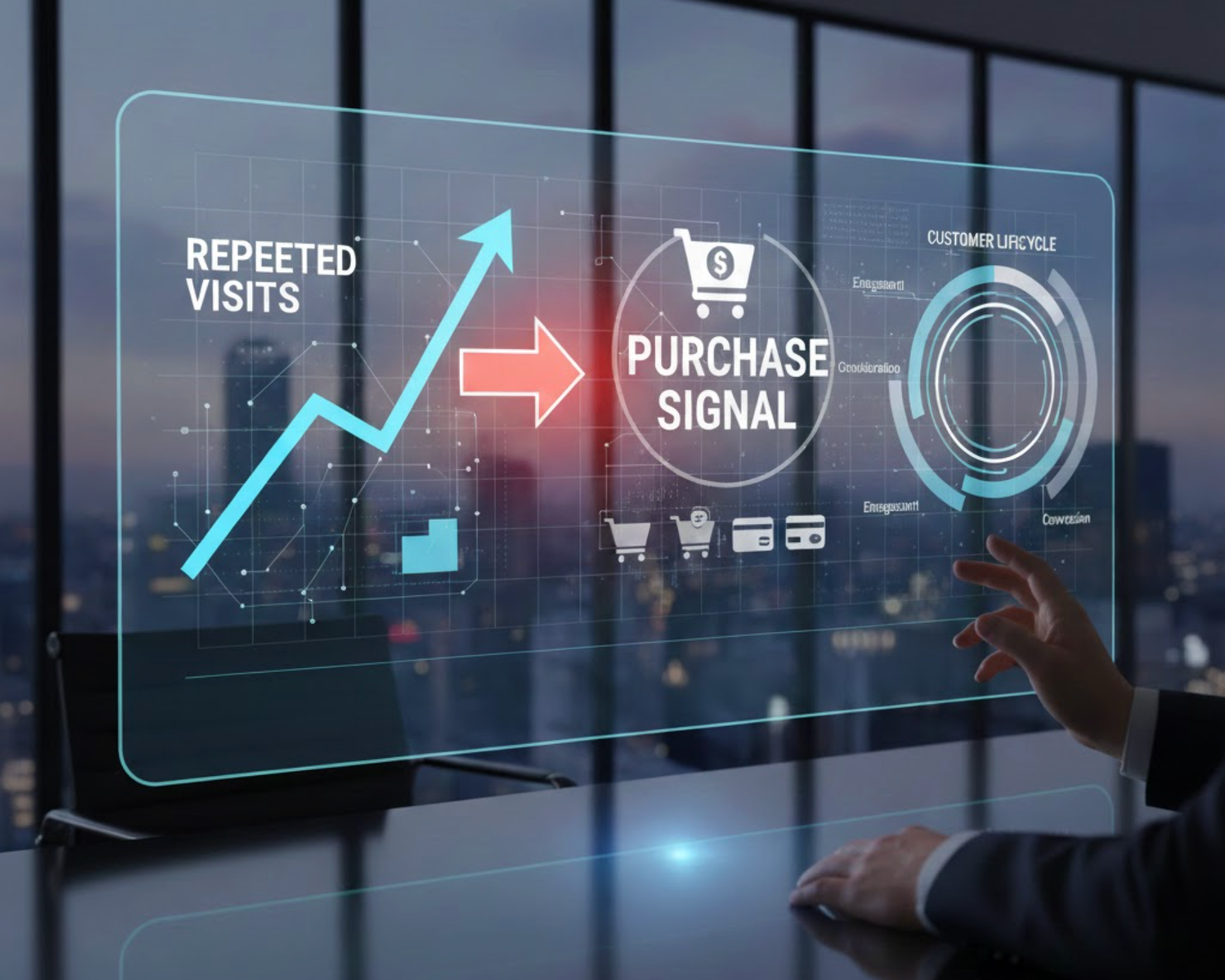
Understanding customer intent has become one of the most strategic ways for online stores to increase conversions. While many signals reveal a shopper’s mindset, repeat visits to the same product page stand out as one of the strongest indicators of genuine purchase consideration. Customers rarely return to a product multiple times by accident; instead, this behavior reflects internal evaluation, growing curiosity, and an emerging desire to move closer to a buying decision.
As competition increases and customer journeys become less linear, detecting and interpreting repeat visits allows businesses to respond more intelligently. With deeper insights, you can deliver personalized content, reduce hesitation, and strengthen your conversion funnel. Therefore, learning how to identify and act on repeat-visit behavior has become essential for any brand that wants to maximize every bit of traffic it receives.
When a shopper returns several times to the same product, they are signaling a level of interest that goes beyond casual browsing. Most customers do not purchase instantly; instead, they navigate through instinctive stages: discovering a product, comparing alternatives, verifying quality, and eliminating doubt. This process naturally leads them back to the product page that initially captured their attention, which is why repeat visits reveal deep psychological intent.
This pattern often suggests that the shopper is seriously evaluating whether the product meets their exact needs. They may be reading the details again, checking price changes, or wanting reassurance before making a final commitment. As they repeat this cycle, their hesitations slowly shift toward a more decisive mindset. Because of this, repeat visits serve as a powerful predictor that the shopper is close to making a purchase, they simply need the right nudge or the right information at the right time.
To move seamlessly from interest to action, shoppers need clarity, confidence, and a sense of value. Recognizing repeat visits gives you an opportunity to provide all three right before the customer reaches their tipping point.
Detecting repeat visits is essential because it helps you understand when a shopper is moving from casual interest to serious purchase consideration. This behavior often reveals intent that shoppers don’t express through actions like adding to cart or joining a mailing list. By identifying these signals early, you gain the opportunity to guide them strategically before they slip away.
With this foundation established, we can look at the key reasons why repeat-visit detection makes such a significant impact:
Many visitors never add an item to cart, yet they come back repeatedly because they see real potential in the product. By recognizing this pattern sooner, you can focus your marketing and messaging on those who are closest to converting.
Repeat visits tell you what a shopper cares about, allowing you to tailor messages based on their behavior rather than guesswork. This leads to more meaningful engagement and reduces the risk of overwhelming them with generic or irrelevant content.
Shoppers who return multiple times are often battling lingering doubts about price, quality, or fit. Detecting their behavior lets you present trust badges, reviews, or small incentives at the exact moment confidence needs a boost.
Repeat visitors form a highly qualified segment that responds well to retargeting because their interest is already established. By focusing on this group, you reduce wasted spend and allocate your budget toward shoppers with real buying potential.
When you intervene during the evaluation stage of repeated visits, you help remove friction that slows down decision-making. This guidance can significantly compress the time between interest and conversion, improving overall store efficiency.
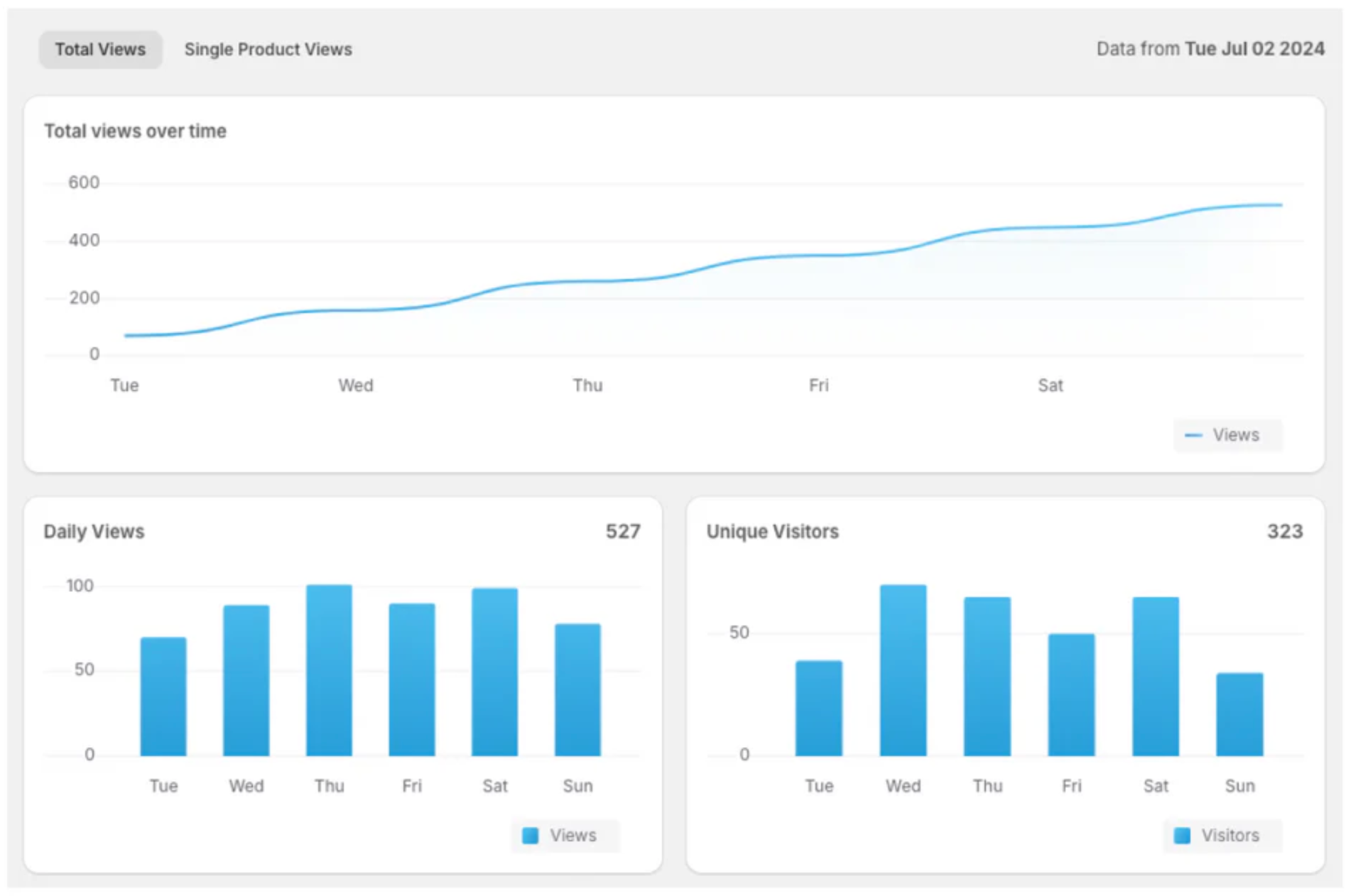
Many analytics platforms allow you to measure how often the same visitor returns to a product page, giving you early insight into rising purchase intent. Each repeated visit shows that the shopper is reconsidering the product and wants more clarity before committing. By examining the timing between visits, you can tell whether interest is strengthening or still uncertain. You can also evaluate user flow to understand what information leads them back.
With this understanding in place, you can begin taking practical steps to put this insight to work:
Browser cookies and local storage help identify returning visitors even before they log in or add items to cart. This method captures subtle buying signals that analytics alone may overlook. As visitors return, your system builds a behavioral pattern that reveals how close they are to making a decision. Over time, these repeated interactions form a clear picture of hesitant but high-potential buyers.
Once the pattern becomes noticeable, you can reinforce it with well-timed, effective actions:
Repeat visits become even more meaningful when connected with additional intentional behaviors like deep scrolling or reading reviews. These layered actions indicate that the shopper is examining details more closely with each return. By tracking these behaviors over several sessions, you can identify decision-making patterns more accurately. When these signals appear consistently, they serve as a strong indicator of an audience ready for tailored engagement.
From here, you can turn those insights into focused, strategic steps that support the shopper’s journey:
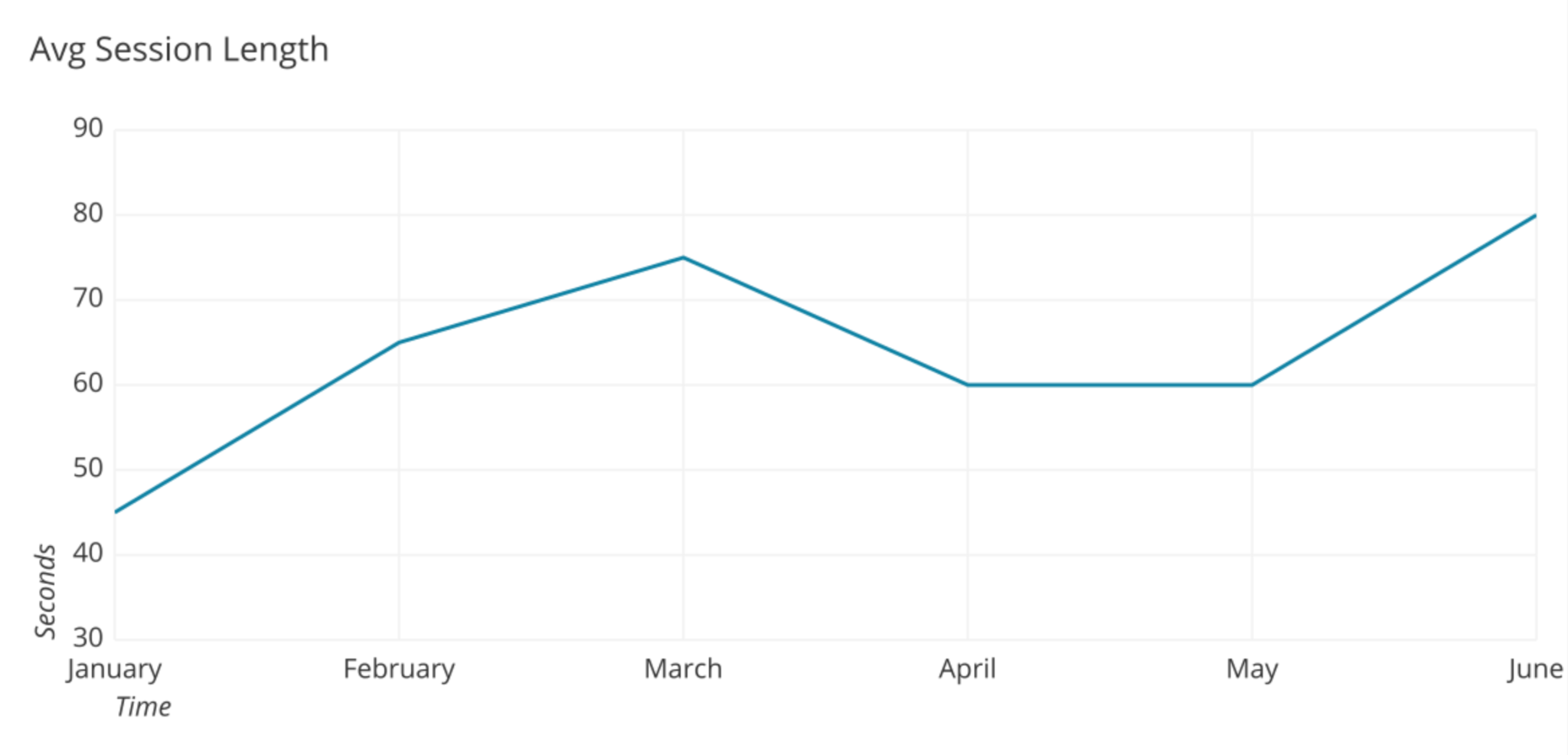
A visitor who spends more time during each return session is showing stronger interest and deeper evaluation. Longer sessions often indicate they’re re-reading details, checking alternatives, or confirming key information. This pattern suggests they are close to a decision but need reassurance or final clarity. Analyzing how session duration changes over time helps you identify who is nearing conversion.
With these insights clarified, you can confidently move into steps that guide the shopper forward:

Shoppers who revisit after engaging with reviews, Q&A sections, or comparison tools are often entering the final decision phase. Their return signals a desire for reassurance, proof, or confidence-building information. This behavior pattern reveals which trust elements truly influence purchases. Tracking these sequences helps you optimize content placement and deliver stronger persuasion.
Once these return–after–proof patterns appear, you can enhance the experience with purposeful next steps:
Once you detect that a shopper is returning to the same product several times, the next step is to convert this insight into strategic actions that gently guide them toward purchasing by following the tips below.
A returning visitor may be debating price or value, so a light incentive can help remove hesitation without devaluing your product. Small offers, like free shipping or a limited-time discount, often give shoppers the confidence they need to finalize their choice. These incentives work best when they feel timely and specifically tailored to the shopper’s interest.
Repeat visitors are often seeking reassurance, making trust signals especially powerful at this stage. Showcasing top reviews, customer photos, or badges like “Best Seller” can help reinforce credibility. These elements help validate their decision and reduce worry about product quality or suitability.
Because repeat visitors already know your product, retargeting should be gentle, relevant, and value-driven. Ads featuring customer testimonials, low-stock notices, or key product benefits tend to perform well for this group. Smart retargeting helps bring them back without overwhelming them or appearing intrusive.
If the shopper is logged in or has subscribed, repeat visits create the perfect trigger for personalized follow-up emails. These messages can highlight what they previously viewed, offer comparisons, or provide helpful insights about the product. When done respectfully, these emails feel supportive rather than sales-driven.
Visitors who come back multiple times often need just a small reminder to move forward. Displaying subtle alerts about stock availability, shipping cut-offs, or limited-time bonuses can create urgency without pressure. These reminders should appear naturally and at the right moment, enhancing relevance rather than distracting the user.
Repeat visits to a product page are a meaningful indicator of increasing interest and purchase readiness. By detecting this behavior and combining it with other engagement signals, you can build a precise understanding of customer intent. This allows you to deliver timely, personalized, and highly effective messages that guide the shopper toward a confident purchase decision.
When used strategically, repeat-visit detection becomes a powerful tool for boosting conversions, elevating the shopping experience, and strengthening your overall marketing efficiency. If you would like, I can also expand this article further, structure it into SEO-optimized sections, or add a dedicated section about how Ryviu enhances repeat-visit conversions.