 New to Shopify? Free trial, then $1/month for your first 3 months. Start free trial →
 Where is your store?
Ryviu works with both – pick yours to continue.








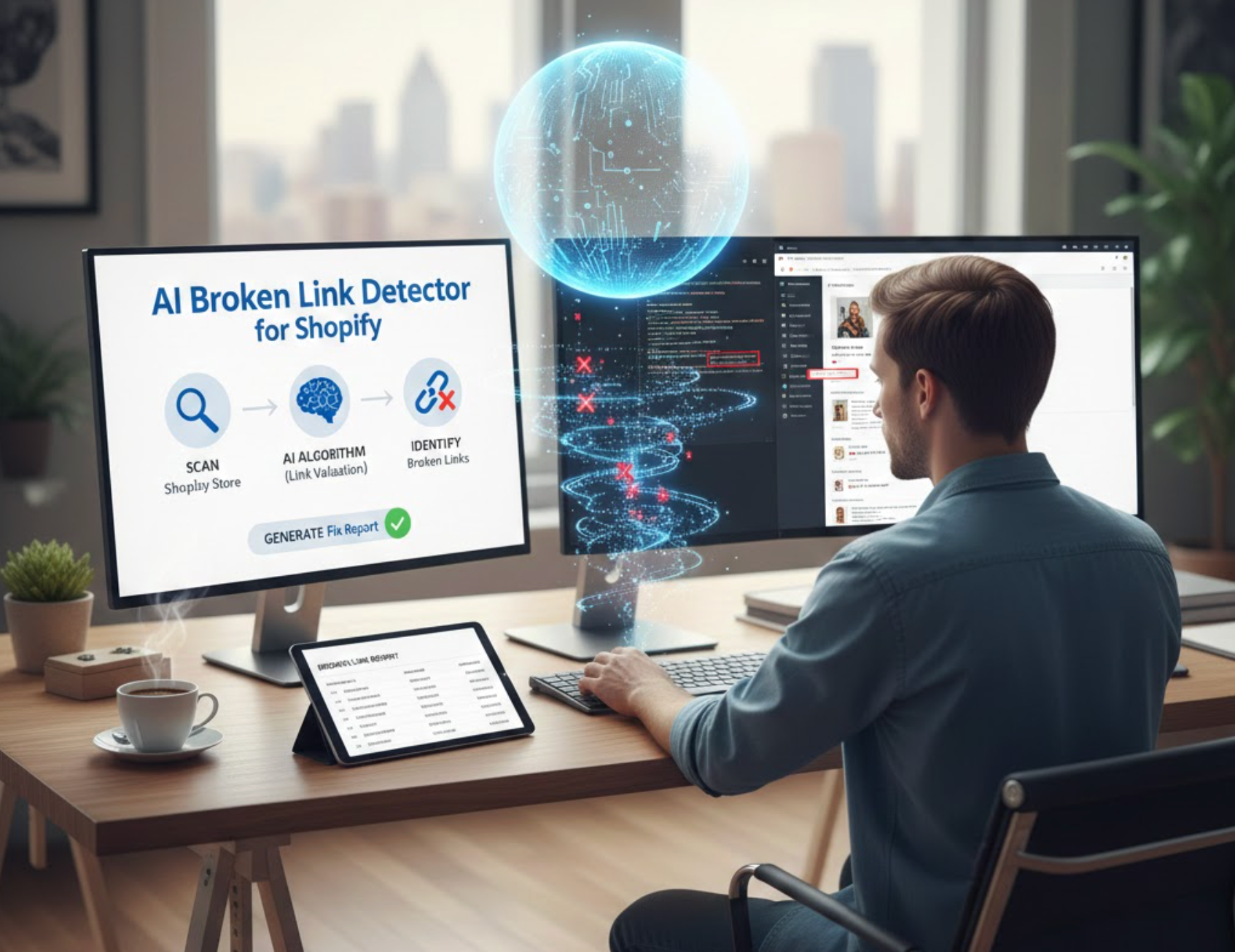
Broken links may seem like a small technical issue, but in reality, they can silently damage your Shopify store’s performance, SEO rankings, and customer trust. Every time a visitor clicks a link that leads to a 404 error, you risk losing engagement, credibility, and ultimately, sales. As Shopify stores grow and content changes frequently, manually checking links becomes inefficient and error-prone.
This is where AI-powered link detection steps in. By using artificial intelligence, Shopify merchants can automatically scan, detect, and even predict broken links before they negatively impact the shopping experience. In this article, we’ll explore how AI helps detect broken links, why it’s superior to manual methods, and how you can effectively implement it in your Shopify store.
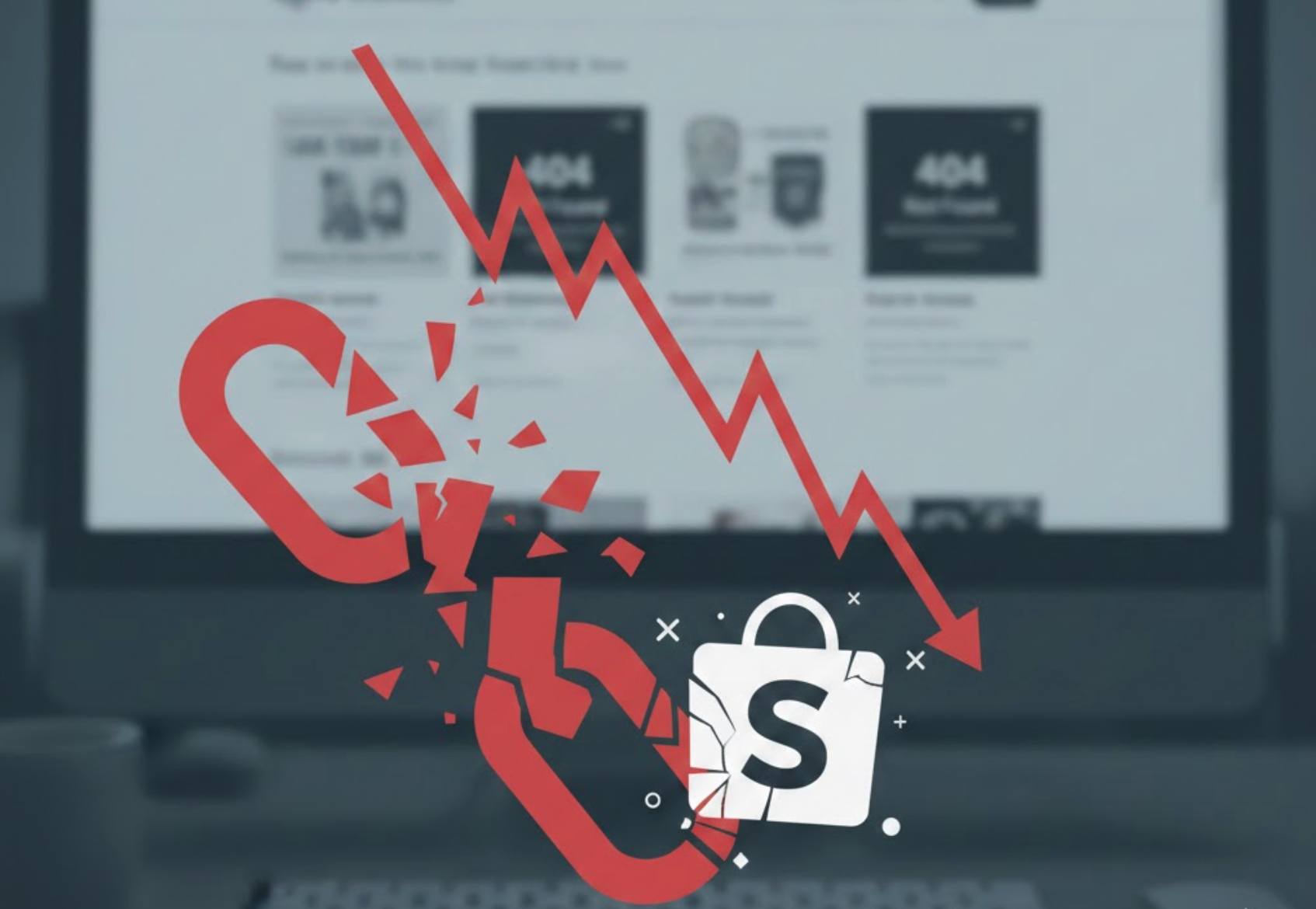
Before diving into AI solutions, it’s important to understand why broken links should never be ignored. Broken links don’t just frustrate users, they actively work against your store’s growth.
From a user experience perspective, broken links interrupt the customer journey. Shoppers who encounter dead ends often leave the site rather than search for alternatives. Over time, this increases bounce rates and reduces session duration, signaling poor site quality.
From an SEO standpoint, search engines treat broken links as a sign of poor maintenance. Too many unresolved 404 errors can weaken your crawl efficiency, reduce page authority, and negatively affect rankings. Internal broken links are especially harmful because they block link equity from flowing through your site.
Finally, broken links can directly impact conversions. Missing product pages, outdated collections, or broken CTA links often appear during promotions or seasonal updates, exactly when traffic and revenue potential are highest.
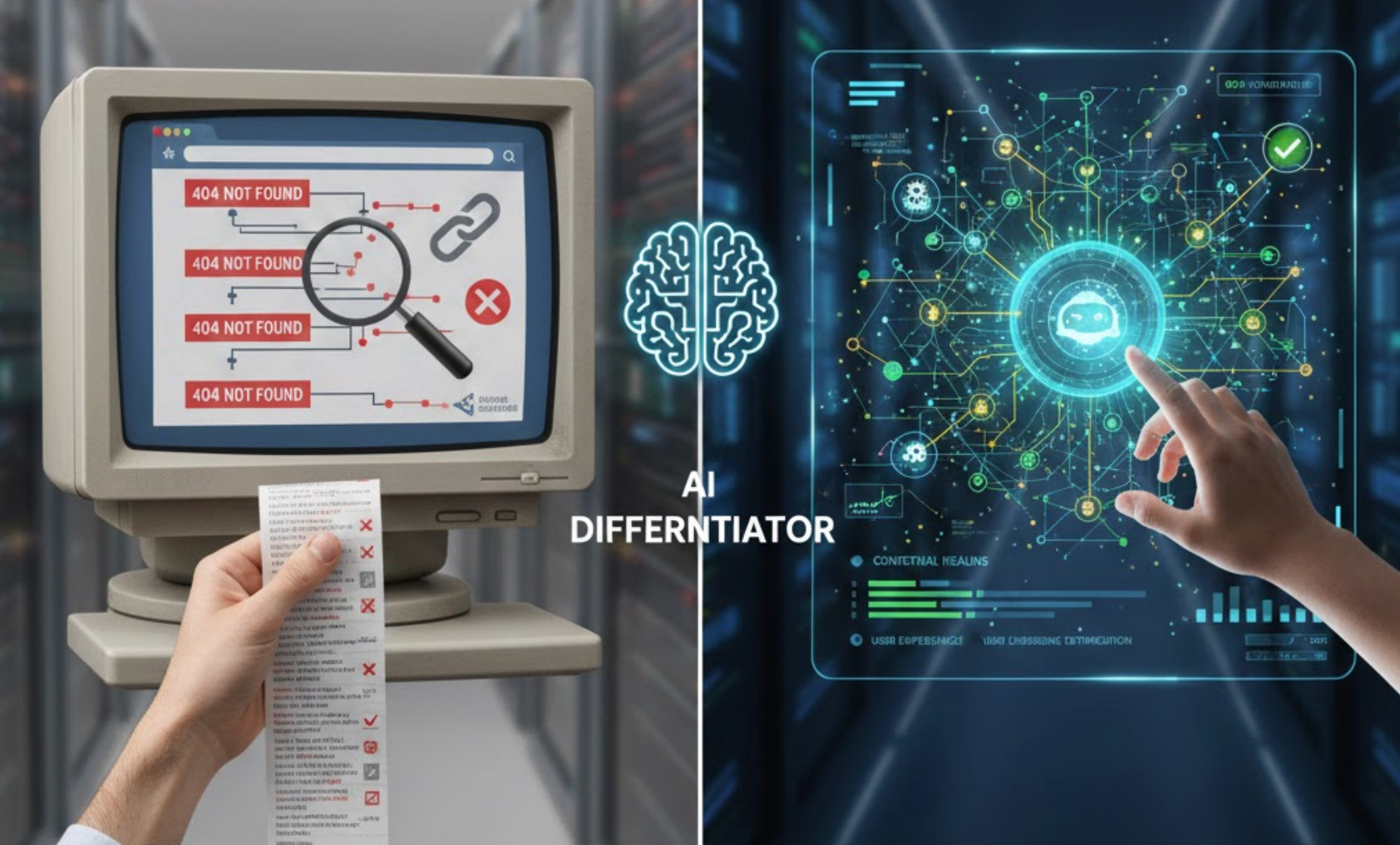
Traditional broken link detection typically relies on manual checks or basic crawling tools. While these methods can identify obvious errors, they often fall short in dynamic Shopify environments where products, URLs, and content change frequently.
AI-powered tools go far beyond simple link scanning. Instead of only identifying broken URLs, AI systems analyze patterns, behaviors, and historical data to detect issues faster and more accurately.
With AI, your store benefits from:
As a result, AI doesn’t just tell you what is broken, it helps you understand why it happened and what to fix first.
AI-powered link detection works through a combination of crawling, machine learning, and real-time analysis. Here’s how the process typically unfolds.
AI crawlers scan your entire Shopify store, including product pages, collections, blogs, navigation menus, footers, and even hidden elements like tabs or dynamic sections. Unlike basic bots, AI crawlers adapt to JavaScript-rendered content and Shopify-specific structures.
Instead of checking only whether a link returns a 200 or 404 status, AI evaluates context. For example, it can identify:
This context awareness reduces false positives and highlights real user-facing issues.
AI connects broken links with real user behavior. It can identify which broken links are receiving clicks, where users drop off, and how those errors affect conversions. This allows you to focus on fixing links that actually matter.
Rather than running scans manually, AI systems monitor your store 24/7. When a new broken link appears, such as after a theme update or product removal, you receive instant alerts before customers notice the problem.
Understanding where broken links tend to occur helps you appreciate the value of AI-driven detection.
One common source is deleted or out-of-stock products. When products are removed without proper redirects, internal links from blogs, collections, or upsell sections break instantly.
Another frequent issue comes from navigation and menu updates. Changing collection structures or renaming pages often leaves old links behind, especially in footers or mega menus.
Blog content is another risk area. Older blog posts may link to outdated products, seasonal collections, or discontinued promotions, creating hidden SEO and UX issues.
Finally, broken links often appear inside custom tabs, banners, popups, and third-party widgets, areas that are difficult to audit manually but easily scanned by AI.
Implementing AI-powered broken link detection in your Shopify store is not just about installing a tool, it’s about building a proactive system that continuously protects your store’s user experience and SEO health. By following a structured approach, you can ensure that broken links are identified early, prioritized correctly, and resolved efficiently without disrupting daily operations.
The first and most important step is choosing the right AI-driven tool or Shopify app. Not all link checkers offer true AI capabilities, so it’s essential to look beyond basic crawling features. A strong AI solution should be able to analyze dynamic Shopify content, understand page context, and adapt to frequent changes such as product updates, collection restructuring, or theme modifications.
Ideally, the tool should integrate directly with Shopify, allowing it to access internal URLs, navigation menus, blog posts, product recommendations, and custom page sections. Additionally, AI-based tools often include machine learning models that improve accuracy over time, reducing false alerts and helping you focus only on links that genuinely affect shoppers and search engines.
Once your AI tool is connected, start with a comprehensive scan of your entire Shopify store. This initial scan serves as a diagnostic audit, uncovering existing broken links that may have accumulated over time. These often include discontinued product URLs, outdated blog references, and links broken by previous theme or navigation changes.
AI-driven scans go deeper than surface-level crawling. They analyze JavaScript-rendered elements, conditional links, and dynamic sections that traditional tools often miss. As a result, you gain a complete overview of your store’s link health, providing a strong foundation for long-term optimization.
After the scan is complete, the AI system typically generates a detailed report highlighting broken links along with supporting data. This is where AI truly adds value. Instead of presenting a simple list, it evaluates each broken link based on factors such as page traffic, conversion importance, SEO value, and user interaction.
By using these insights, you can prioritize fixes logically. For example, broken links on high-traffic product pages or checkout-related content should be addressed first, while low-impact links in archived blog posts can be scheduled later. This data-driven approach ensures your efforts deliver maximum return with minimal disruption.
Many AI-powered tools don’t stop at detection, they actively assist with resolution. Based on historical data and page relevance, AI can suggest the best replacement URLs, recommend similar products, or propose collection pages for redirects. This significantly reduces guesswork and speeds up the fixing process.
For internal links, AI may recommend updating anchor destinations directly. For removed or unavailable products, it often suggests implementing 301 redirects to preserve SEO authority and maintain a smooth customer journey. Over time, these intelligent recommendations help standardize how broken links are handled across your store.
After resolving existing issues, the real value of AI broken link detection comes from continuous monitoring. Shopify stores are constantly evolving, and new broken links can appear after inventory updates, promotions, or third-party app changes. AI systems monitor your store in real time and alert you immediately when new issues arise.
These alerts allow you to respond before broken links impact customers or search engine crawlers. Instead of waiting for analytics drops or customer complaints, you can fix problems proactively, often within minutes of detection.
To maximize long-term results, broken link detection should become part of your regular Shopify maintenance routine. AI tools can generate scheduled reports, track link health trends, and highlight recurring problem areas such as specific collections or content types.
By reviewing these insights regularly, you can refine your content strategy, improve product lifecycle management, and reduce the likelihood of future link issues. Over time, this creates a cleaner, more reliable Shopify store that supports better SEO performance, stronger engagement, and higher conversion rates.
Broken links are an unavoidable challenge in growing Shopify stores, but they don’t have to be a persistent problem. With AI-powered detection, you move from reactive fixes to proactive optimization. By continuously monitoring, analyzing, and prioritizing broken links, AI helps maintain a seamless shopping experience while protecting your SEO and revenue.
In an environment where every click matters, using AI to detect broken links isn’t just a technical upgrade, it’s a smart business decision that keeps your Shopify store reliable, discoverable, and conversion-ready.




