 New to Shopify? Free trial, then $1/month for your first 3 months. Start free trial →
 Where is your store?
Ryviu works with both – pick yours to continue.








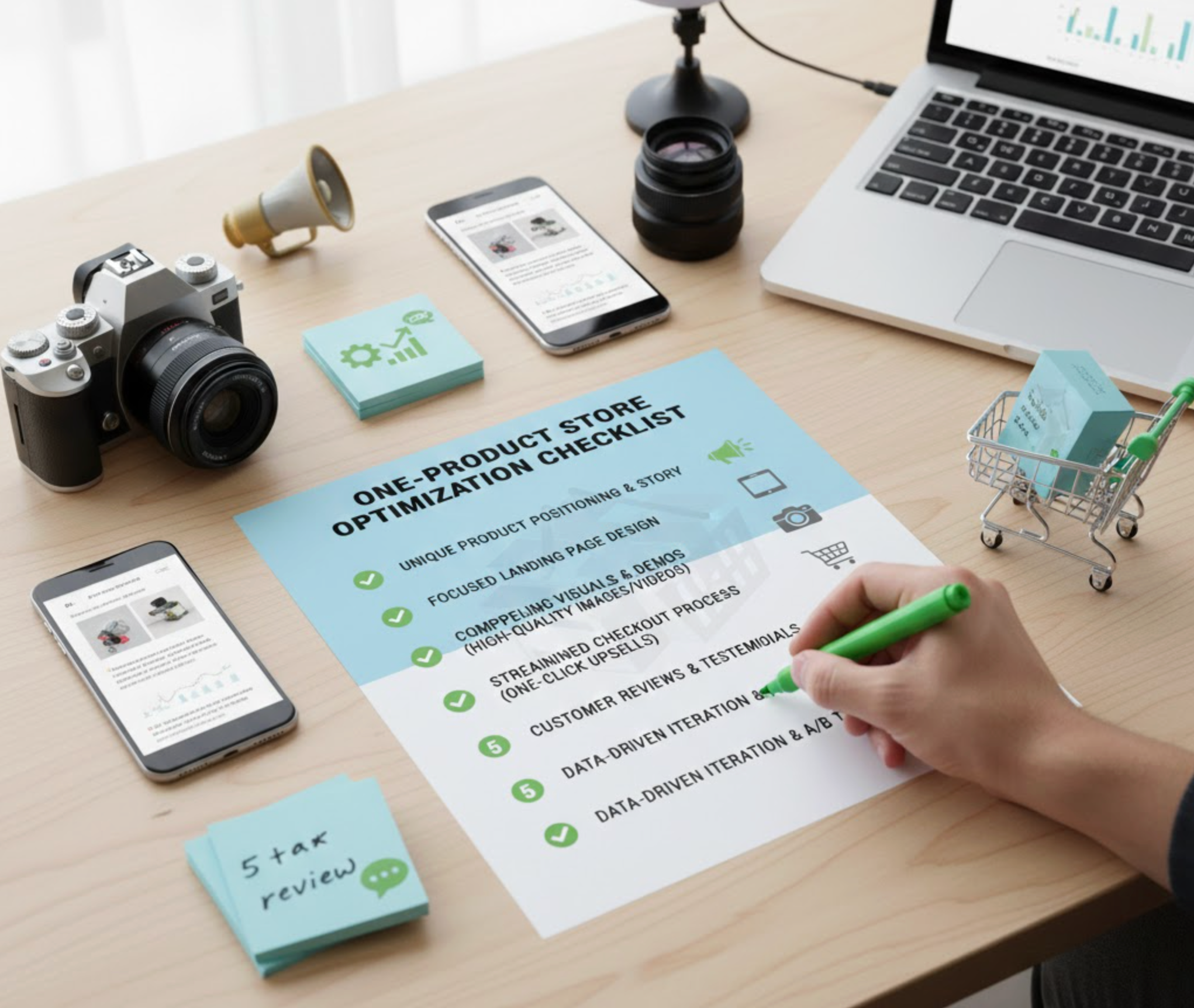
Optimizing a one-product store requires a highly focused approach because every element on the page affects the buyer’s decision. With only one item to evaluate, visitors rely heavily on clarity, visuals, trust, and smooth navigation. When all parts work together, your store creates a persuasive and seamless buying journey. In this article, I will share an ultimate checklist to strengthen conversions and maximize sales.
Your hero section must clearly show what the product is, who it’s for, and why it matters within the first few seconds. A strong visual paired with a benefit-driven headline helps grab attention and reduce bounce rates immediately. Since your store has only one product, this first impression becomes the biggest conversion trigger. A polished hero section ensures visitors know exactly what you offer from the moment they arrive.
To reinforce this first impression, the next step is strengthening your product page messaging.
A strong product description should highlight the real-life advantages customers will gain, not just list specifications. Shoppers make quick decisions, so emotional benefits help them understand why the product is worth buying. A descriptive, benefit-centered layout also creates a premium perception and reduces doubts. Clear explanations help visitors stay engaged longer.
Once your messaging is clear, visuals must support and amplify these benefits.
High-quality visuals make your product appear more credible and increase the likelihood of purchase. Lifestyle photos help visitors imagine real usage, while videos demonstrate functionality in a way images cannot. These assets are especially important for one-product stores because shoppers base most of their judgment on what they see. Strong visuals instantly elevate brand trust and remove hesitation.
With strong visuals in place, the next priority is ensuring fast performance across all devices.

Mobile users are quick to bounce if a page loads slowly, making speed a key conversion factor. Lightweight layouts and optimized images help keep visitors engaged and less frustrated. Since many one-product stores rely on paid mobile ads, a fast-loading interface directly impacts ROAS. Improving performance also strengthens the overall shopping experience.
After reducing friction on mobile, it’s time to refine your value messaging.
A clear value proposition instantly tells shoppers why your product matters and why it stands out from competitors. Instead of focusing solely on features, highlighting emotional and practical benefits makes the product feel relevant. This messaging helps customers quickly grasp how the product solves their problem. A strong value proposition also guides the rest of your store’s content structure.
Once your value is clear, social proof becomes the next credibility boost.
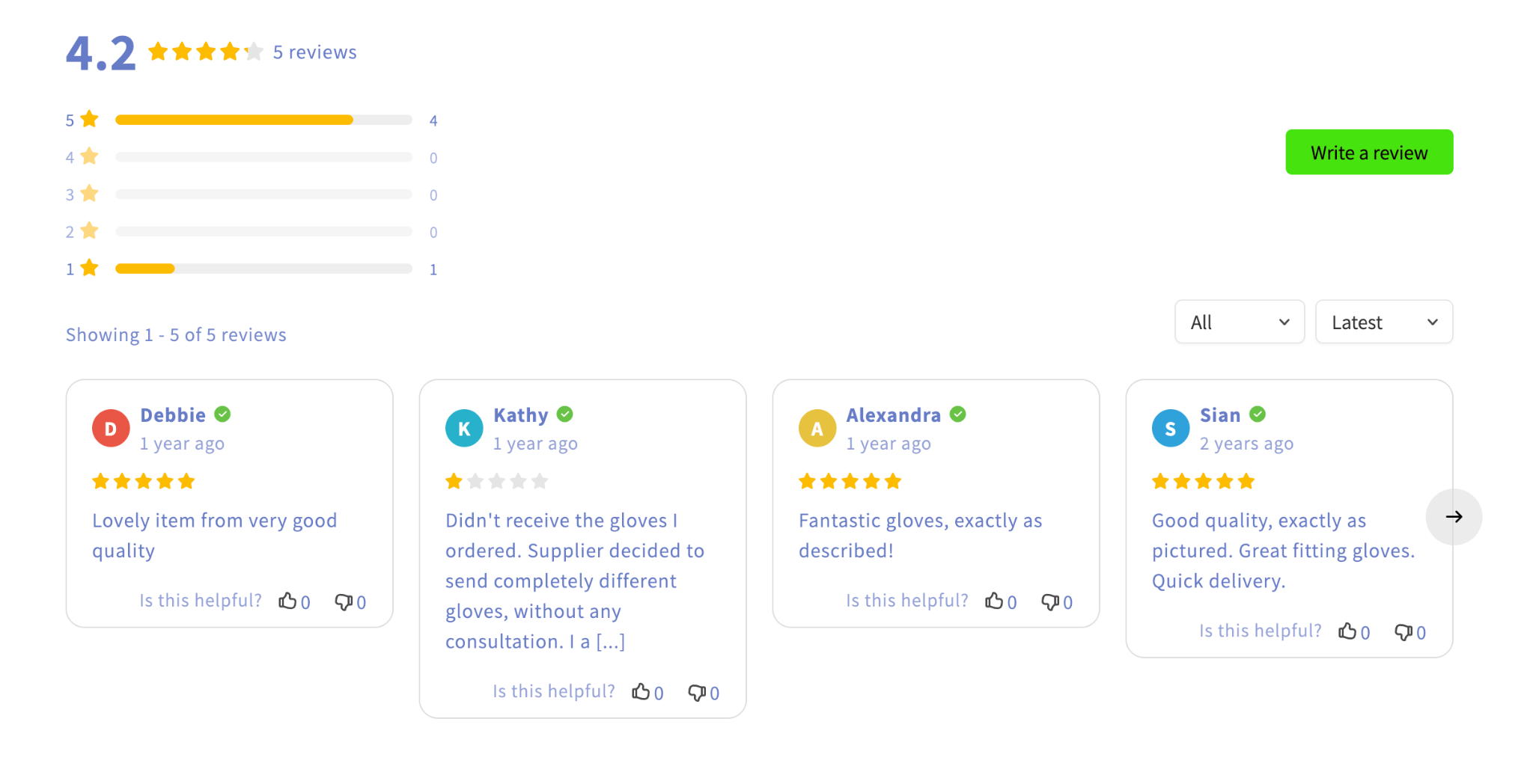
Customers rely heavily on reviews, ratings, and real-life usage proof when shopping online. UGC photos and videos help visitors visualize results and reduce uncertainty. Testimonials and star ratings provide validation that your product works as promised. Strong social proof helps overcome hesitation, especially when you only sell one main item.
With trust established, you can now optimize your pricing and offer structure.
Your pricing should feel fair, valuable, and attractive enough to encourage quick decisions. Psychological pricing techniques and bundle deals help increase conversions by making the offer more compelling. Showing savings or limited-time deals further motivates customers to act. A structured offer increases perceived value without relying only on discounts.
Once pricing is optimized, it’s crucial to streamline the checkout process.
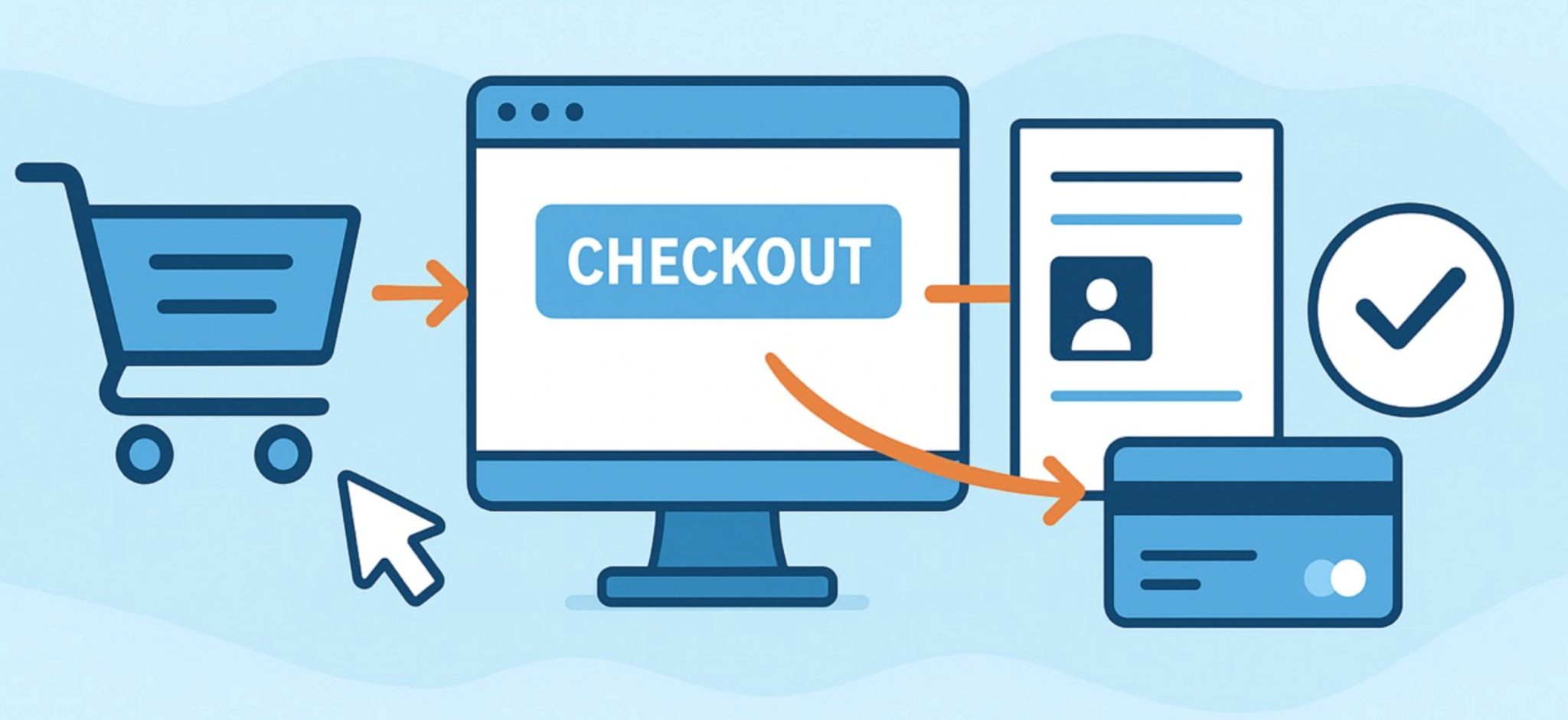
A smooth checkout experience prevents abandonment and encourages more completed purchases. Removing unnecessary fields and offering express payment options helps customers buy faster. This is especially important on mobile, where users expect simple and direct workflows. A frictionless checkout increases trust and reduces hesitation.
After securing conversions, you can unlock extra revenue through upsells.
Even in a one-product store, strategic upsells can significantly increase average order value. Offering accessories, warranties, or upgraded versions delivers more value to customers while increasing revenue. Post-purchase upsells convert well because customers are already in a buying mindset. This strategy improves profitability without increasing ad spend.
After maximizing revenue, make sure your policies also build long-term trust.
Clear guarantees and policies reduce risk perception and make visitors feel safer purchasing. When shoppers know how shipping, returns, and support work, they feel more comfortable completing the order. Transparent policies are especially important for new stores or unfamiliar brands. This final layer of trust strengthens the overall conversion rate.
With all these steps in place, your one-product store becomes optimized for higher conversions and long-term sales growth.
Optimizing a one-product store is all about clarity, speed, and trust. By focusing on persuasive messaging, compelling visuals, strong social proof, and a frictionless checkout experience, you can dramatically increase conversions and unlock higher sales. Use this checklist to audit your store regularly, refine your pages, and continually improve the buying journey. With consistent optimization, even a single product can outperform large stores and generate significant revenue.




